SPECIES CARE GUIDE
Cubais Sp Murina "Papaya"
Cubaris sp. Murina "Papaya"
ENVIRONMENT
Core care conditions
Use these ranges as a starting point and adjust for life stage, enclosure ventilation and observed behaviour.
HUSBANDRY OVERVIEW
At a glance
- Taxonomic group
- Malacostraca
- Origin
- Selective breeding from Southeast Asian stock
- Lifestyle
- Terrestrial isopod / bioactive clean-up crew
- Adult size (body / total length)
- ~1.0--1.2 cm (Small, round, and bulbous)
- Temperament
- Harmless / colony species
- Experience level
- Very Easy (The hardiest pink isopod)
- Visibility
- Mostly visible when established; hides under bark/leaf litter
- Burrowing
- May shelter under cork, bark, leaf litter and within substrate
- Growth rate
- Fast to moderate colony growth depending on species and conditions
CARE NOTES
Keeping considerations
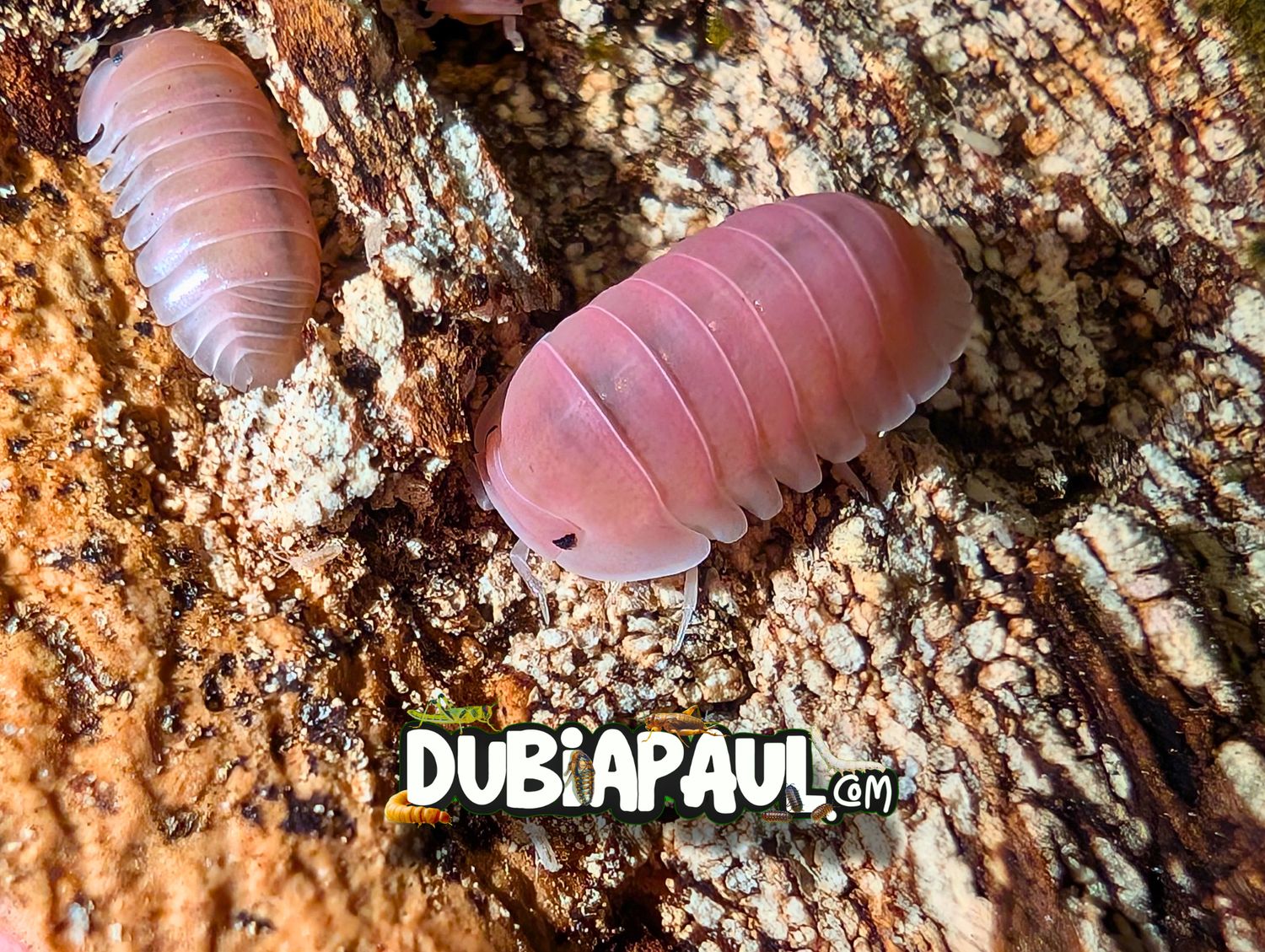
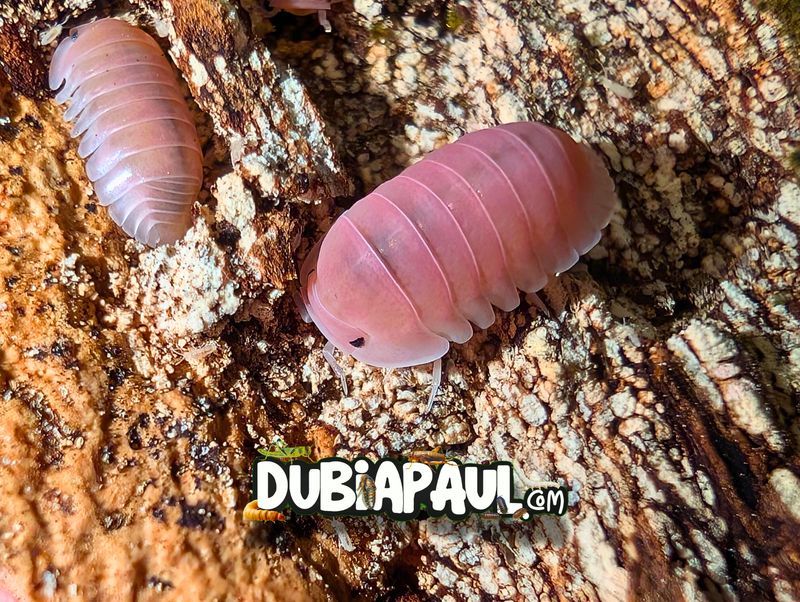
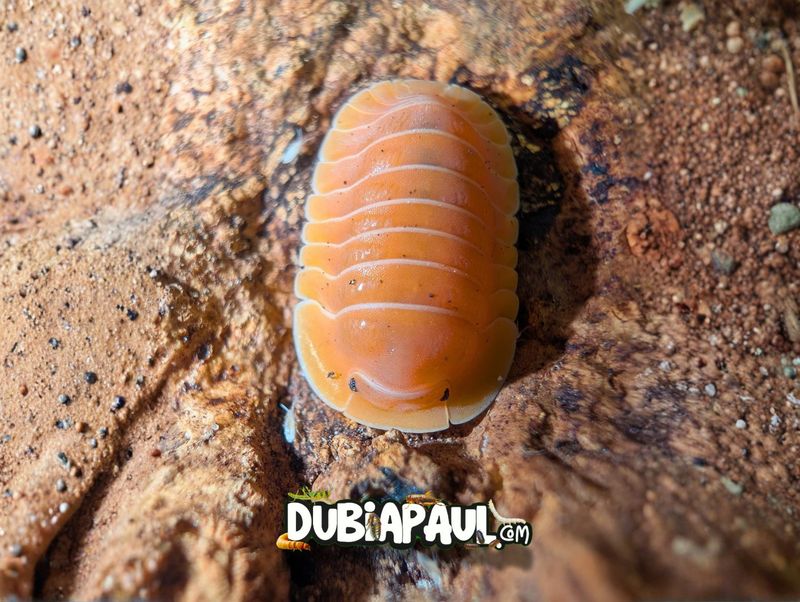
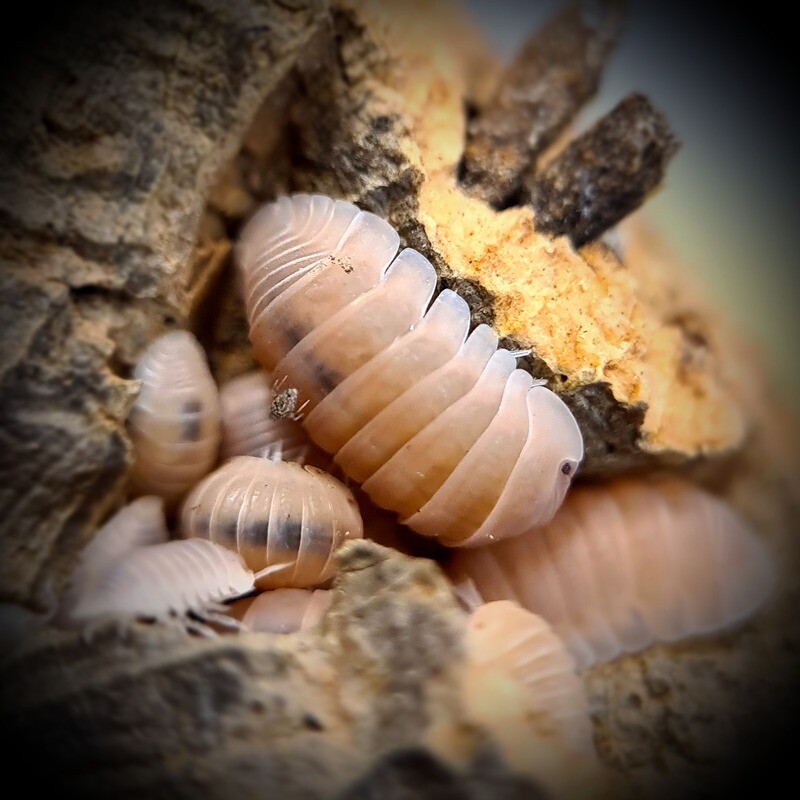
Cubaris sp. Murina "Papaya" is the undisputed "fan favorite" of the isopod world. This stunning pink morph is famous for its delicate pastel-orange to soft-pink coloration and its charming ruby-pink eyes. Often described as looking like "living jellybeans," these isopods bring a unique pop of warm color to any enclosure. While most pink or "designer" isopods are notoriously difficult to keep, the "Papaya" is the perfect exception. It retains the legendary hardiness and prolific nature of the standard Cubaris murina, making it incredibly productive and easy to care for. They are peaceful, social, and constantly active, frequently seen exploring the substrate in groups. Whether you are a beginner or an expert, no collection is complete without a colony of these pink gems. Perfect for colorful bioactive terrariums , educational displays , and keepers who want a "designer" look with the ease of a beginner species. Activity level: Moderate to High / Very Social. Rarity: Popular / Must-Have Designer Morph. Ventilation: Moderate. They are very forgiving and adapt well to standard terrarium setups.. Substrate: Moisture-retaining organic soil (Abiosoil) enriched with calcium and decaying wood..
SOURCES & FURTHER READING
Check the references
Care can vary by species, life stage and local conditions. Review multiple reputable sources before making husbandry decisions.
KEEP EXPLORING
More Cubaris
Other completed care guides from the same scientific genus.