SPECIES CARE GUIDE
Cubaris Sp.Murina
Cubaris sp. Murina
ENVIRONMENT
Core care conditions
Use these ranges as a starting point and adjust for life stage, enclosure ventilation and observed behaviour.
HUSBANDRY OVERVIEW
At a glance
- Taxonomic group
- Malacostraca
- Origin
- Southeast Asia (Now circumtropical)
- Lifestyle
- Terrestrial isopod / bioactive clean-up crew
- Adult size (body / total length)
- ~1.0--1.2 cm (Small and rounded)
- Temperament
- Harmless / colony species
- Experience level
- Very Easy (The hardiest Cubaris)
- Visibility
- Mostly visible when established; hides under bark/leaf litter
- Burrowing
- May shelter under cork, bark, leaf litter and within substrate
- Growth rate
- Fast to moderate colony growth depending on species and conditions
CARE NOTES
Keeping considerations
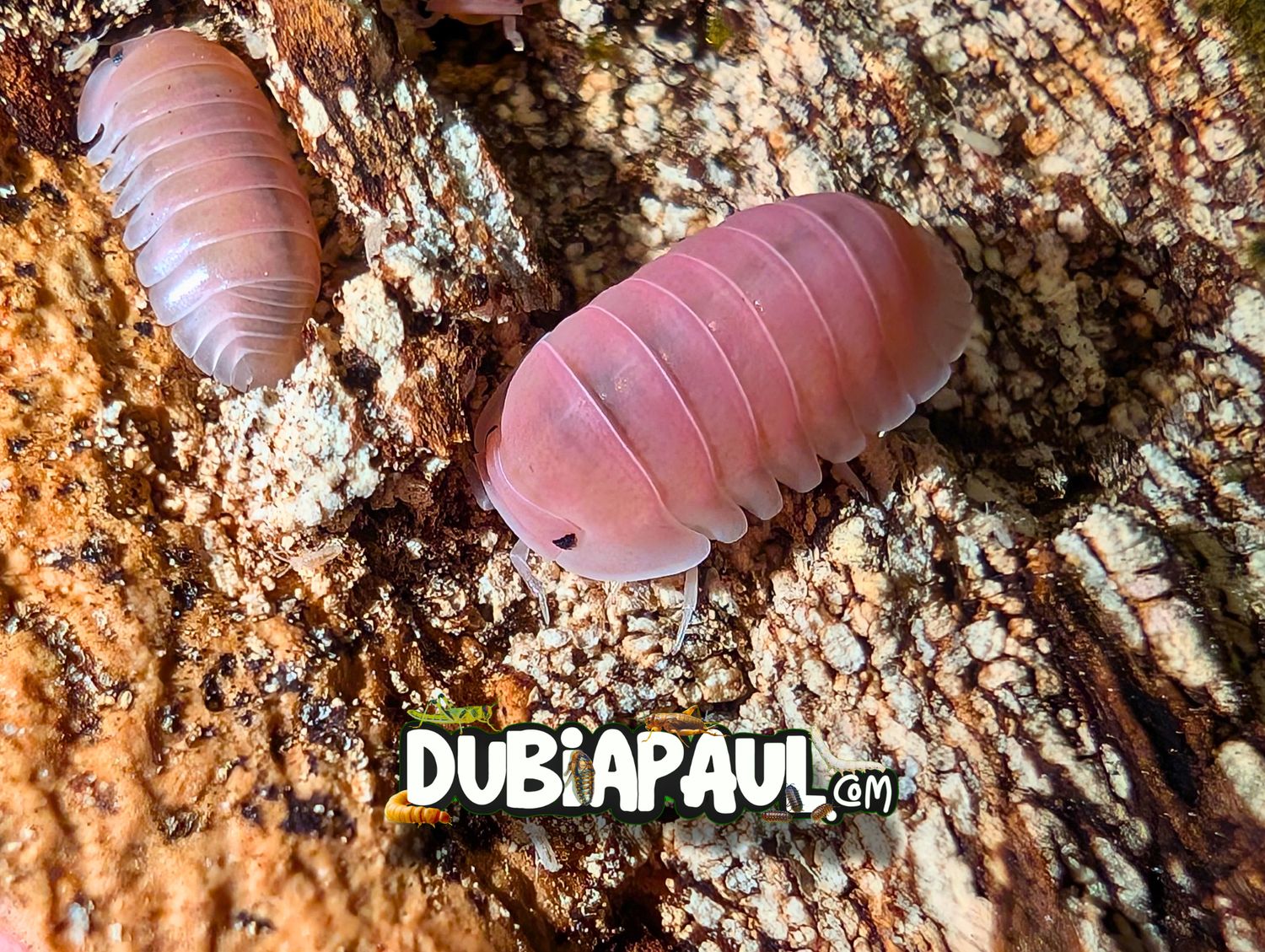
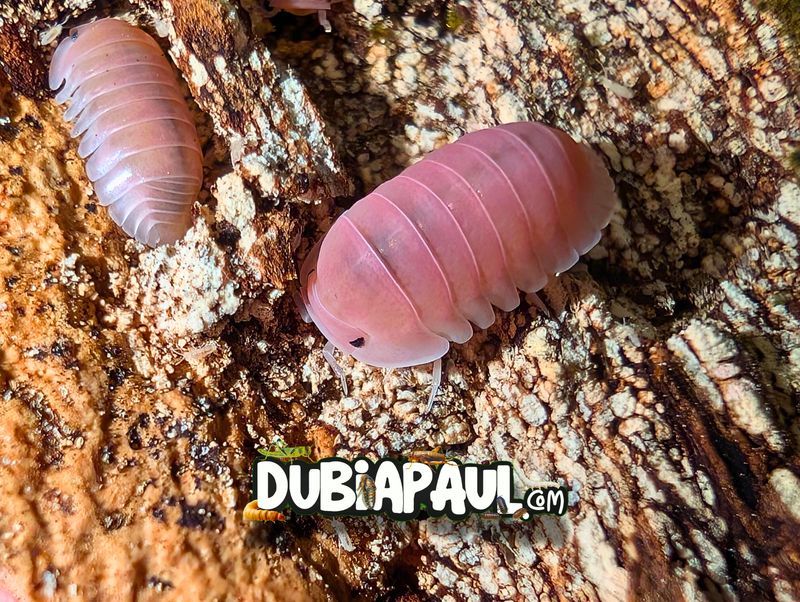
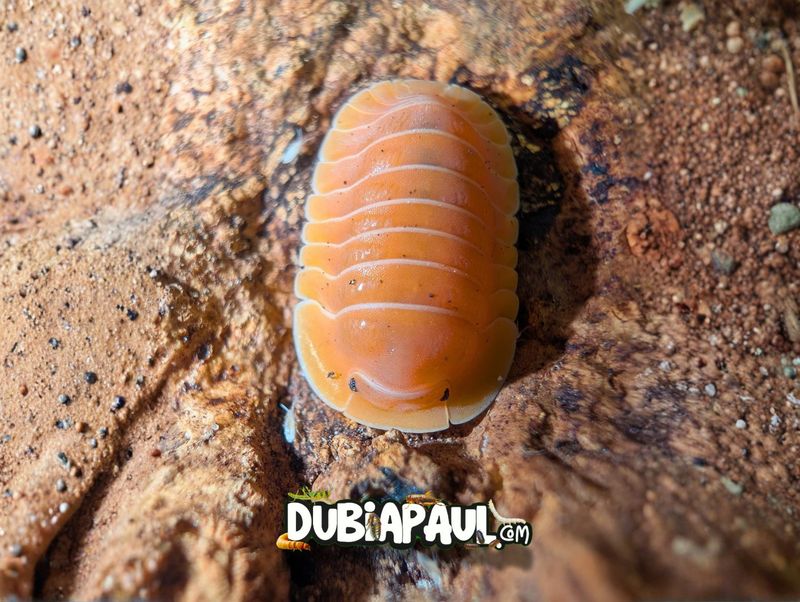
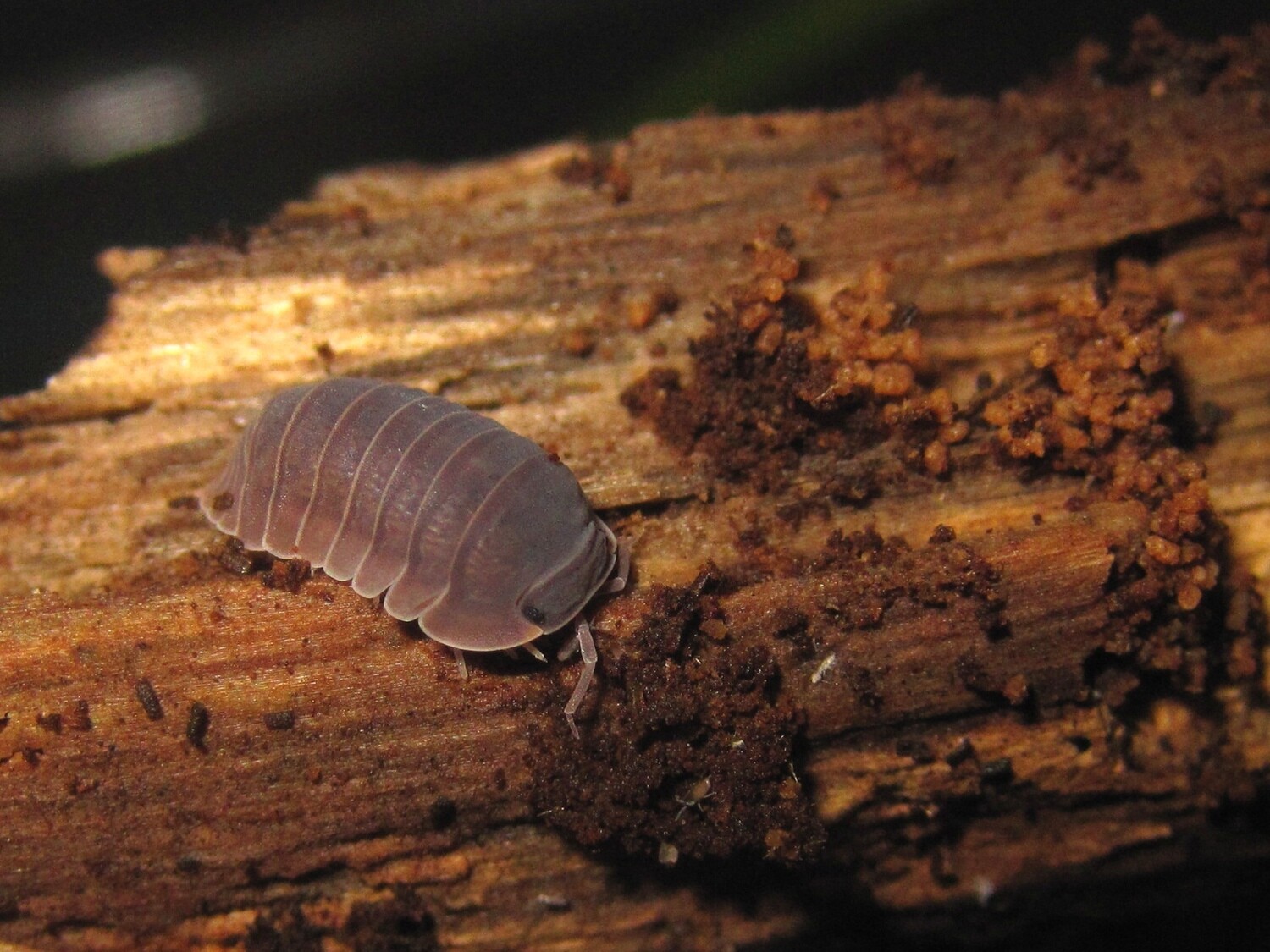
Cubaris sp. "Murina" (The "Little Mouse" Isopod) is one of the most versatile, hardy, and charming species in the hobby. While many Cubaris species are known for being finicky, the "Murina" is a robust and prolific exception. Named for its soft, velvety grey-to-blue coloration and its rounded, "mouse-like" appearance, it is a staple for both collectors and bioactive enthusiasts. This is a "rolling" species that tucks into a perfect, smooth sphere when disturbed. They are incredibly peaceful and social, often found congregating in large groups. Because of their high breeding rate and tolerance for humidity, they are widely considered the best "Clean-Up Crew" for tropical and subtropical bioactive terrariums, outperforming many other species in breaking down waste and preventing mold. Perfect for bioactive vivariums (Dart Frogs/Geckos) , beginner Cubaris keepers , and enthusiasts who want a productive and adorable colony. Activity level: Moderate / Social. Rarity: Common / Essential for Bioactive Setups. Ventilation: Moderate . They are much more tolerant of stagnant air than Porcellio species, making them ideal for sealed terrariums.. Substrate: Moisture-retaining organic soil mix (Abiosoil) with plenty of decaying wood and leaf litter..
SOURCES & FURTHER READING
Check the references
Care can vary by species, life stage and local conditions. Review multiple reputable sources before making husbandry decisions.
KEEP EXPLORING
More Cubaris
Other completed care guides from the same scientific genus.