SPECIES CARE GUIDE
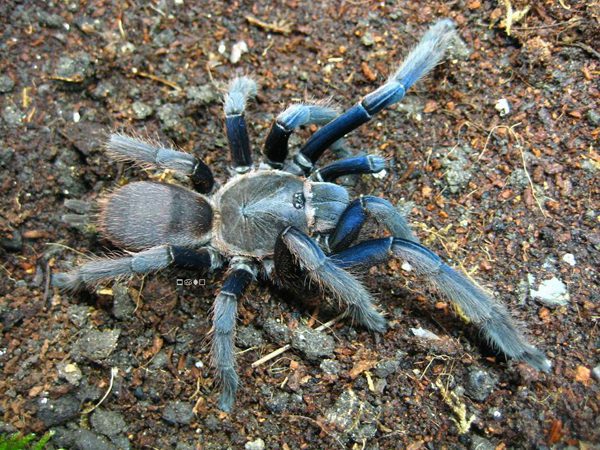
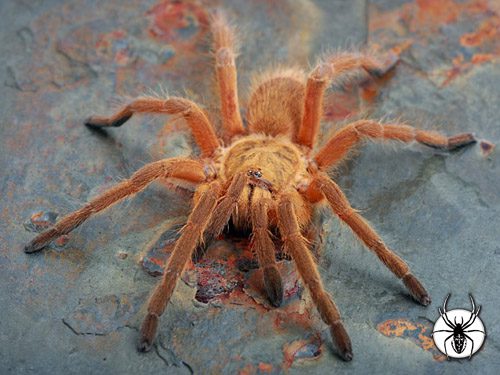
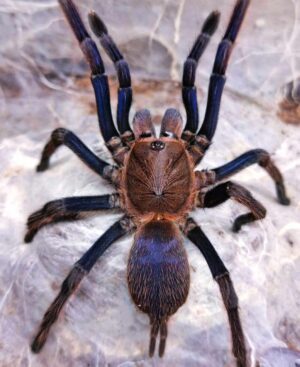
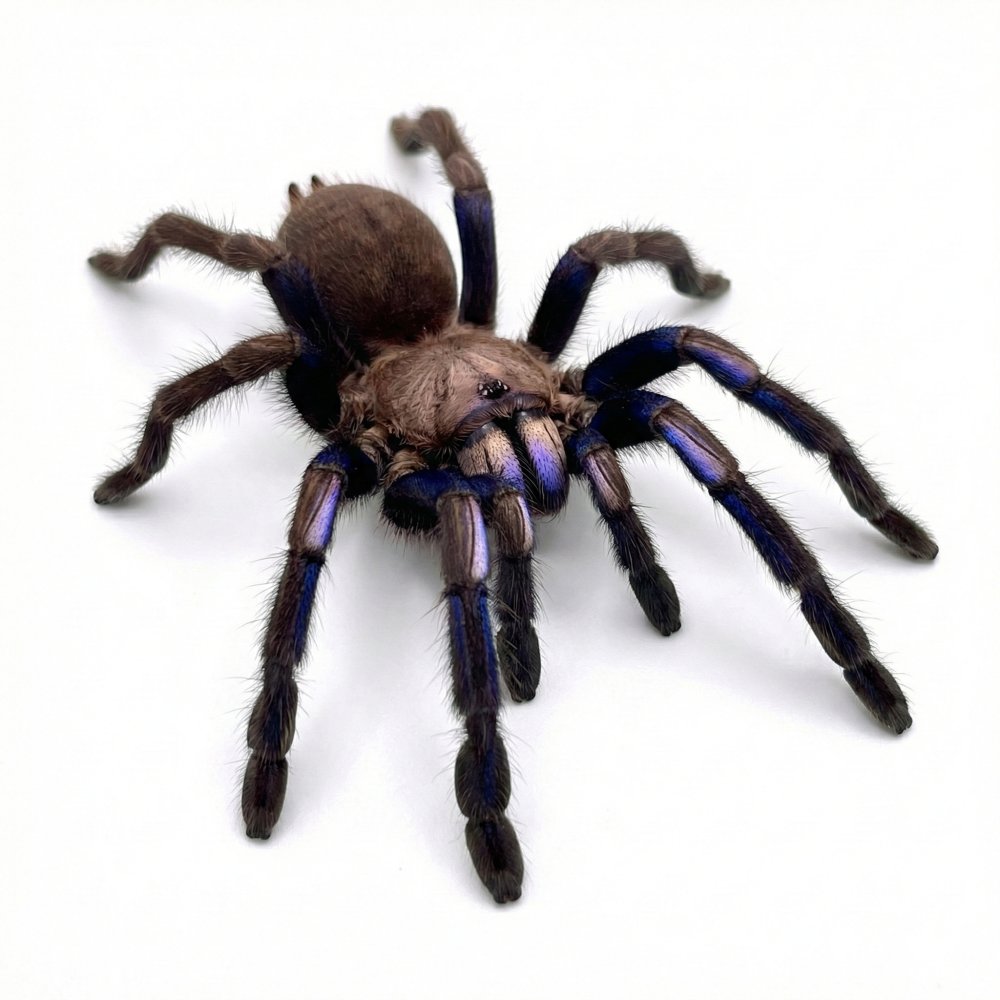
Electric Blue EarthTiger
Chilobrachys natanicharum
ENVIRONMENT
Core care conditions
Use these ranges as a starting point and adjust for life stage, enclosure ventilation and observed behaviour.
HUSBANDRY OVERVIEW
At a glance
- Taxonomic group
- Arachnida
- Origin
- Thailand
- Lifestyle
- Terrestrial
- Adult size (diagonal leg span)
- 17 cm
- Temperament
- Fast
- Experience level
- Advanced
- Visibility
- Often visible once settled
- Burrowing
- May use hides or dig if given enough substrate
- Growth rate
- Medium to fast
- Urticating hairs
- No
- Venom
- Moderate to potent
- Tarantula region
- Old World
CARE NOTES
Keeping considerations
Keep the deep substrate consistently damp (not waterlogged) to maintain high humidity (80–90%) and facilitate their extensive burrowing behavior. Provide a secure anchor point or pre-formed burrow starter so they can settle in comfortably.
PRACTICAL HUSBANDRY
Day-to-day care
Diet & prey
Crickets, roaches (like Dubia), and locusts scaled to the spider's size.
Feeding
Once a week for juveniles/sub-adults; every 10–14 days for adults. Feed prey roughly the width of the tarantula's carapace.
Enclosure
Terrestrial/arboreal hybrid set-up, or deep burrowing enclosure with good cross-ventilation. Minimum size: 3x the spider's diagonal leg span in length/width.
Substrate
Deep, moisture-retaining substrate such as a mixture of eco-earth, peat moss, and topsoil (kept slightly damp to maintain that 80–90% humidity).
Ventilation
Good cross-ventilation to prevent stagnant, humid air while keeping the substrate moist.
Hydration & misting
Keep a shallow water dish overflowing occasionally, and lightly mist one corner of the enclosure as needed to maintain humidity.
Handling
Not recommended for handling. They are fast, defensive Old World tarantulas with potent venom. Best viewed as an exhibition pet.
Sex differences
Mature males display tibial hooks on their front legs and bulbous palps; females are typically larger and bulkier.
IMPORTANT CONSIDERATIONS
Keeper notes
Highly defensive and lightning-fast. Possesses potent venom and long fangs capable of delivering a painful, medically significant bite. Not recommended for beginners or handling. They will readily stand their ground and strike.
BREEDING & LIFE CYCLE
Breeding notes
Mating can be challenging due to the defensive and aggressive nature of both sexes. Introduce the male cautiously with a clear escape route. Females typically construct an egg sac roughly 6 to 8 weeks post-mating, producing around 100 to 200+ spiderlings.
SOURCES & FURTHER READING
Check the references
Care can vary by species, life stage and local conditions. Review multiple reputable sources before making husbandry decisions.
KEEP EXPLORING
More Chilobrachys
Other completed care guides from the same scientific genus.