SPECIES CARE GUIDE
Laureola Sp "Porcupine"
Laureola Sp "Porcupine"
ENVIRONMENT
Core care conditions
Use these ranges as a starting point and adjust for life stage, enclosure ventilation and observed behaviour.
HUSBANDRY OVERVIEW
At a glance
- Taxonomic group
- Malacostraca
- Origin
- SE Asia (High-humidity forest floors & mossy rock faces)
- Lifestyle
- Terrestrial isopod / bioactive clean-up crew
- Adult size (body / total length)
- ~1–3 cm depending on species
- Temperament
- Harmless / colony species
- Experience level
- Advanced
- Visibility
- Mostly visible when established; hides under bark/leaf litter
- Burrowing
- May shelter under cork, bark, leaf litter and within substrate
- Growth rate
- Fast to moderate colony growth depending on species and conditions
CARE NOTES
Keeping considerations
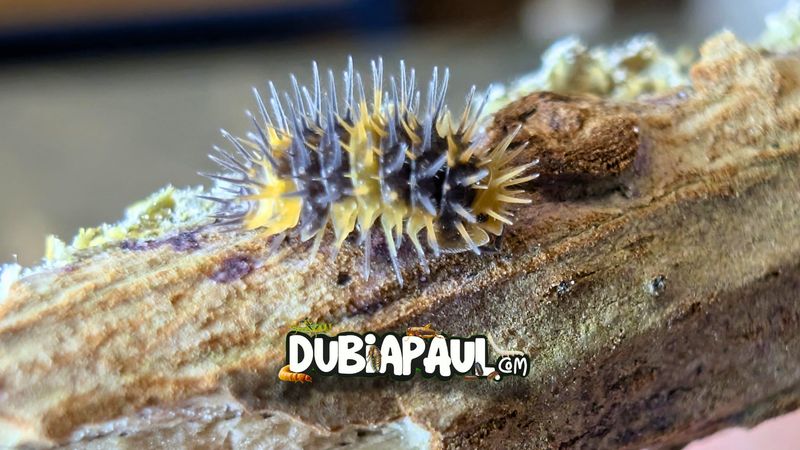
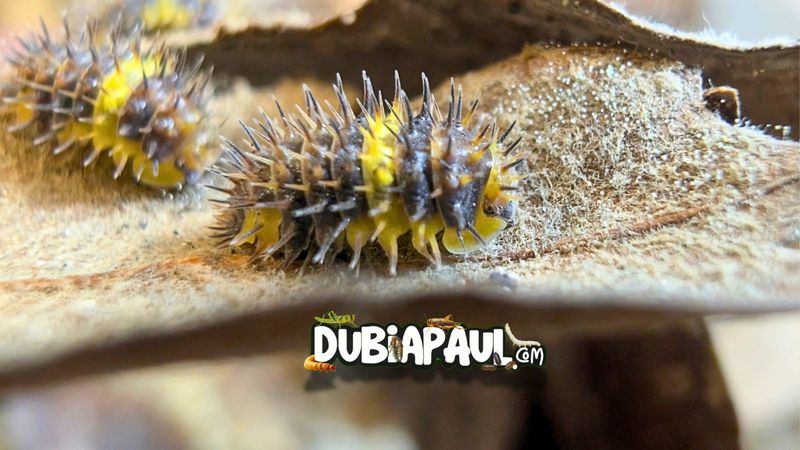
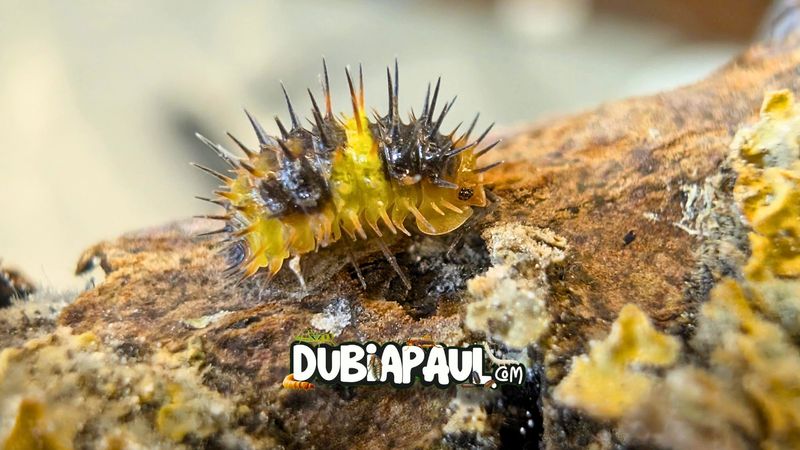
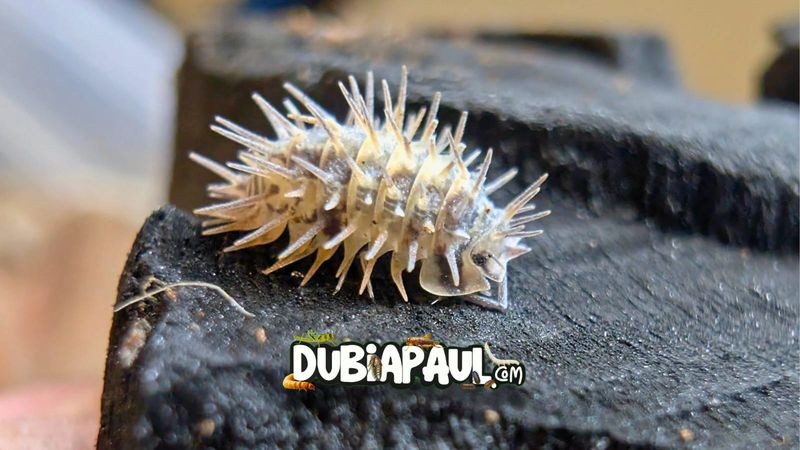
🦔 Laureola sp. "Porcupine" The Spiky Wonder The Laureola sp. "Porcupine" is one of the most extraordinary and visually stunning species in the isopod hobby. Native to the lush, tropical environments of Southeast Asia, this fascinating "porcupine isopod" stands out due to its armor covered in prominent spikes---an astonishing evolutionary adaptation that gives it a prehistoric, otherworldly appearance. Despite their defensive look, they are an active and incredibly engaging species to observe. Their extreme rarity, combined with their unique three-dimensional morphology, makes them the ultimate crown jewel for advanced collectors and display terrariums alike. 🧬 Rarity: Extreme --- Highly coveted and considered a top-tier premium species.. Ventilation: Moderate to High (Crucial to prevent stagnant air). Substrate: Rich organic mix heavily supplemented with moss and decayed wood..
SOURCES & FURTHER READING
Check the references
Care can vary by species, life stage and local conditions. Review multiple reputable sources before making husbandry decisions.
KEEP EXPLORING
More Laureola
Other completed care guides from the same scientific genus.