SPECIES CARE GUIDE
Mexican Red Knee Tarantula
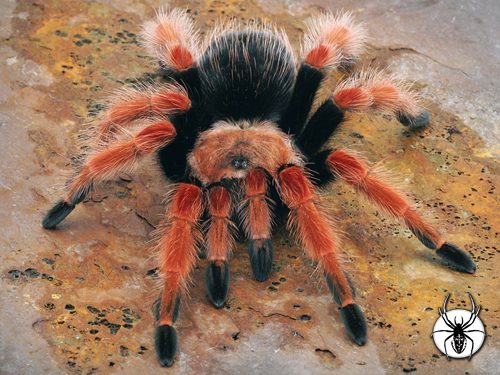
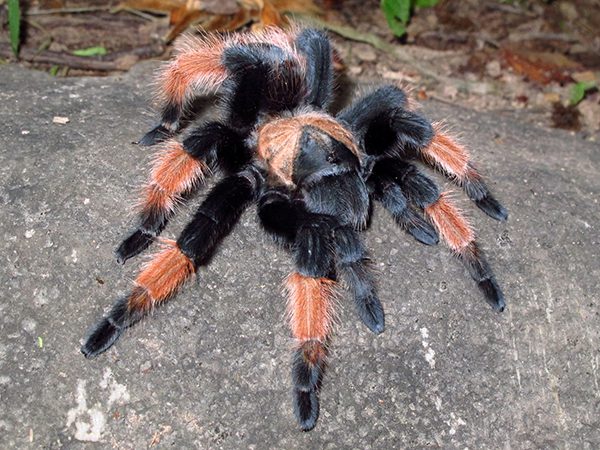
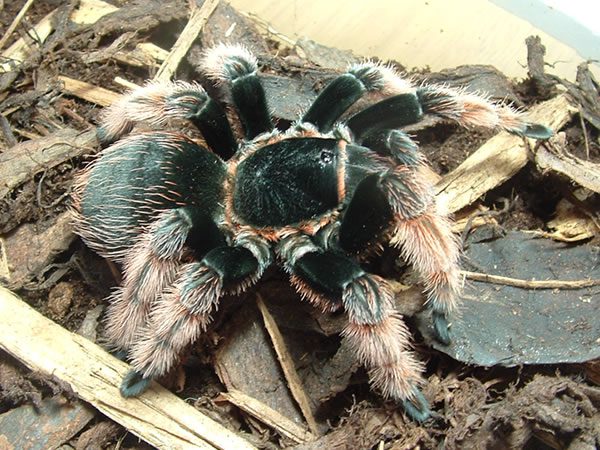
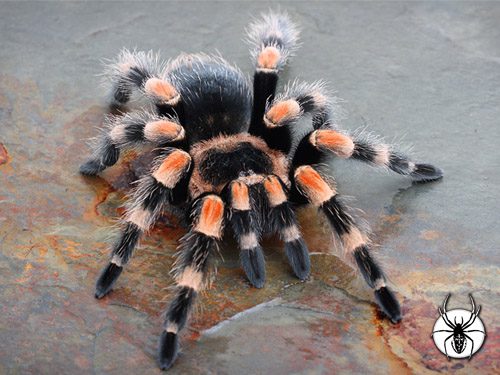
Brachypelma hamorii
ENVIRONMENT
Core care conditions
Use these ranges as a starting point and adjust for life stage, enclosure ventilation and observed behaviour.
HUSBANDRY OVERVIEW
At a glance
- Taxonomic group
- Arachnida
- Origin
- Mexico
- Lifestyle
- Terrestrial / fossorial
- Adult size (diagonal leg span)
- 14–16 cm
- Temperament
- Docile / calm
- Experience level
- Beginner
- Visibility
- Often visible once settled
- Burrowing
- May burrow or use hides; wild animals use shelter under rocks or roots
- Growth rate
- Slow
- Urticating hairs
- Yes
- Venom
- Mild
CARE NOTES
Keeping considerations
A slow-growing terrestrial to fossorial tarantula from seasonally dry subtropical forest in western Mexico. Provide a low enclosure with firm, diggable substrate, a secure ground-level hide and constant access to a water dish. Keep most of the enclosure dry with good ventilation rather than maintaining uniformly damp substrate. Its often-calm reputation does not make handling advisable: falls can seriously injure a heavy-bodied tarantula and urticating hairs can irritate skin and eyes. Choose captive-bred animals because wild populations are affected by habitat loss and collection pressure.
PRACTICAL HUSBANDRY
Day-to-day care
Diet & prey
Captive-bred crickets, roaches, locusts and mealworms of an appropriate size; avoid wild-caught prey.
Feeding
Offer suitable prey once or twice weekly according to age and body condition. Remove uneaten prey after 24 hours and stop feeding during premoult and until the fangs harden after moulting.
Enclosure
Secure, low terrestrial enclosure around 1.5 times the leg span in length, with a cork-bark hide and shallow water dish. Keep climbing height limited to reduce fall risk.
Substrate
At least 5–8 cm of compacted coco fibre or soil-based substrate, deep enough to anchor a retreat. Keep it mostly dry with only slight moisture where needed.
Ventilation
Provide ample ventilation and avoid stagnant, persistently damp conditions.
Hydration & misting
Keep a clean, shallow water dish available at all times. Lightly moisten one area if required; do not spray the tarantula directly or keep the whole enclosure wet.
Handling
Best kept as an observation animal. Handling risks a sudden fall and exposure to irritating urticating hairs; use a catch cup for transfers.
IMPORTANT CONSIDERATIONS
Keeper notes
Although generally calm, individuals vary and may kick urticating hairs. Keep hairs away from eyes and airways, wash hands after maintenance, and never disturb a moulting tarantula.
SOURCES & FURTHER READING
Check the references
Care can vary by species, life stage and local conditions. Review multiple reputable sources before making husbandry decisions.
Last reviewed:
KEEP EXPLORING
More Brachypelma
Other completed care guides from the same scientific genus.