SPECIES CARE GUIDE
Porcellio Sp Valencia
Porcellio sp Valencia
ENVIRONMENT
Core care conditions
Use these ranges as a starting point and adjust for life stage, enclosure ventilation and observed behaviour.
HUSBANDRY OVERVIEW
At a glance
- Taxonomic group
- Malacostraca
- Origin
- Unknown
- Lifestyle
- Terrestrial isopod / bioactive clean-up crew
- Adult size (body / total length)
- ~2.5--3.0 cm (Large and robust)
- Temperament
- Harmless / colony species
- Experience level
- Easy to Moderate (Very hardy for a Spanish species)
- Visibility
- Mostly visible when established; hides under bark/leaf litter
- Burrowing
- May shelter under cork, bark, leaf litter and within substrate
- Growth rate
- Fast to moderate colony growth depending on species and conditions
CARE NOTES
Keeping considerations
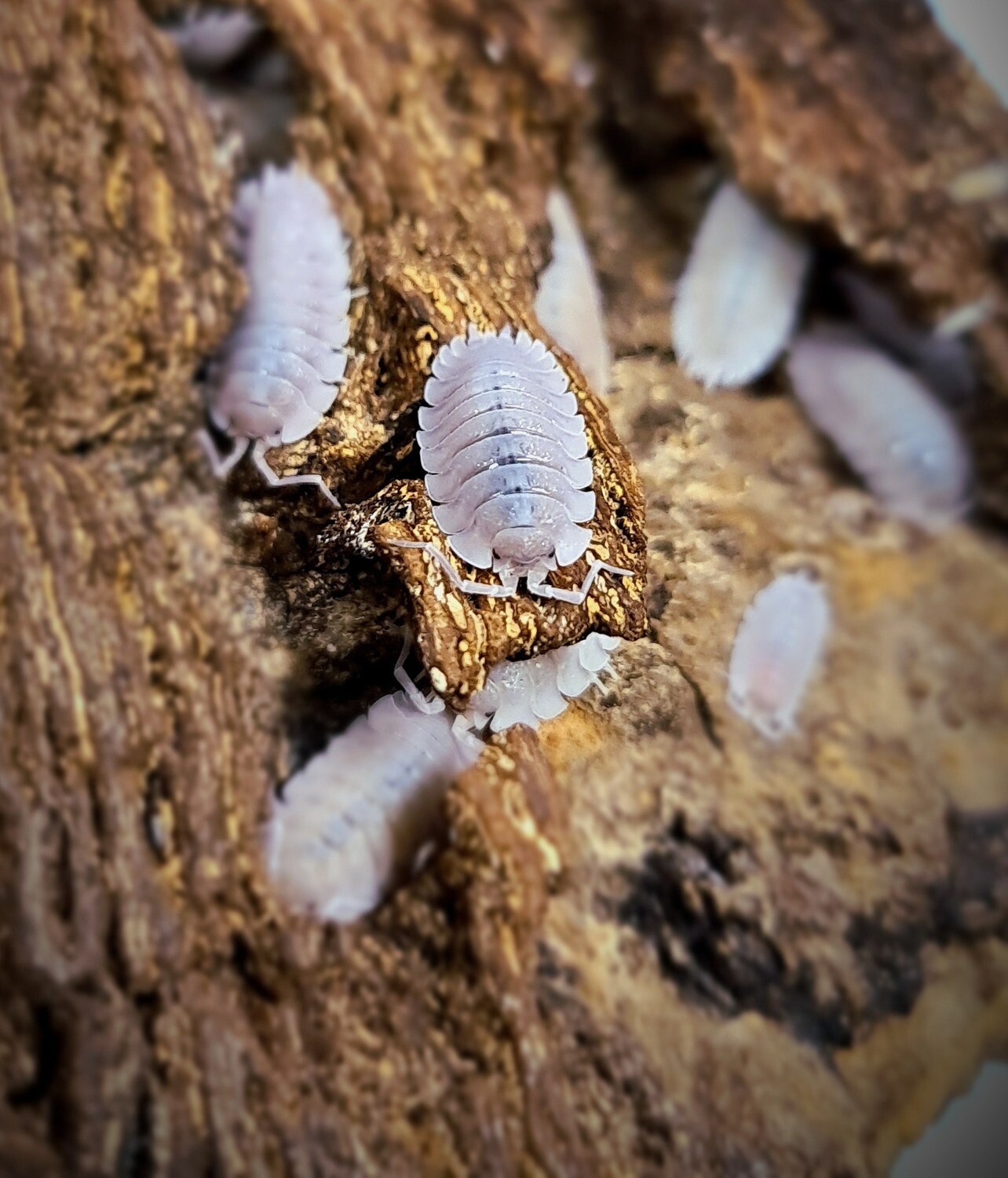
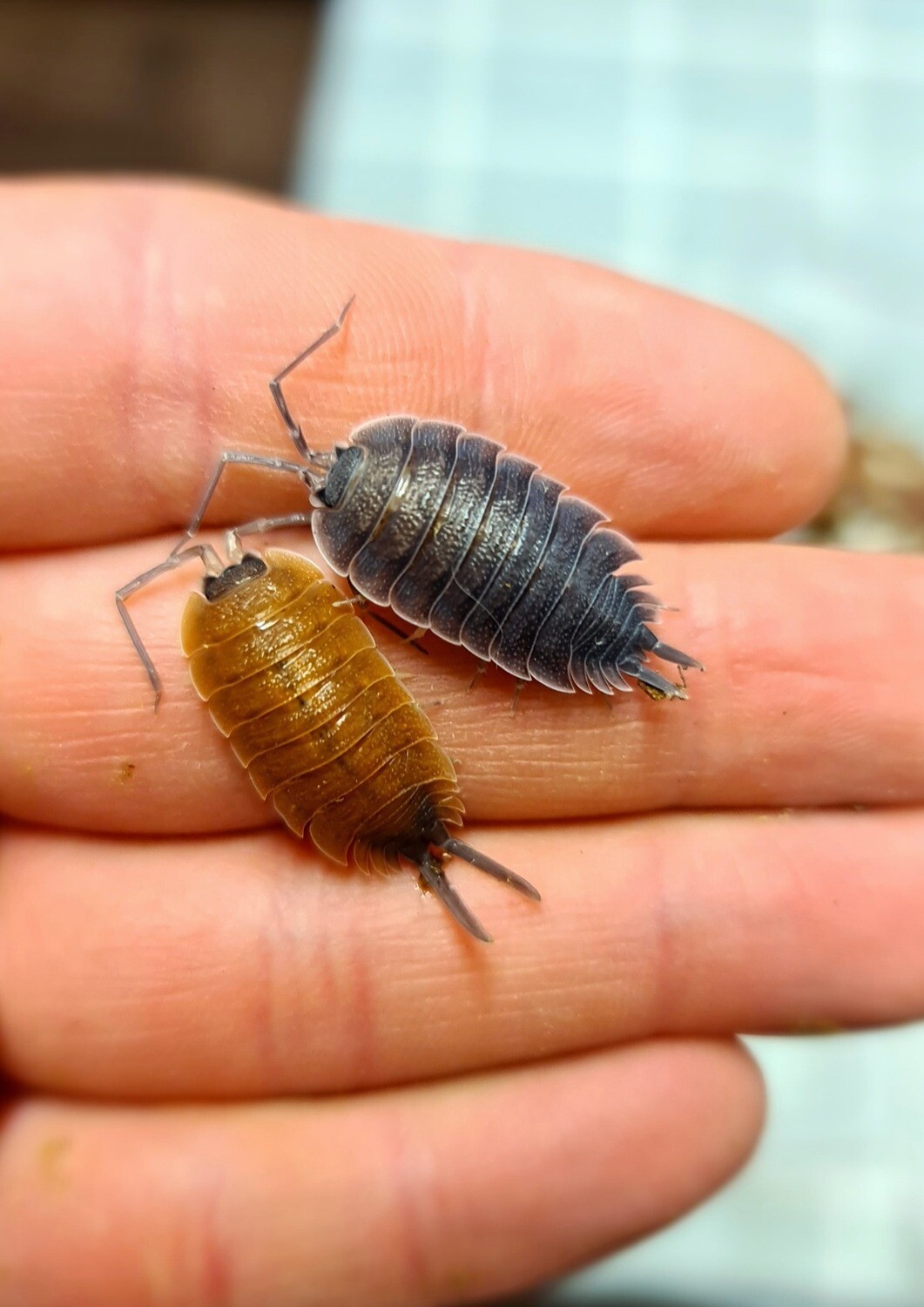
Porcellio sp. "Valencia" is a fantastic representative of the Spanish "giant" isopod group. Native to the eastern coast of Spain, this species is highly regarded for its sleek, metallic silver-grey or orange body and its impressively broad, armored physique. It features clean, pale margins that give it a sophisticated, high-contrast look against dark substrates. While some Spanish giants can be shy or slow to establish, the "Valencia" is known for being robust, active, and highly prolific. They are bold explorers, frequently seen out in the open during the day, making them an excellent choice for a dynamic display. Their large size and high activity level make them not just a great pet, but a heavy-duty clean-up crew for larger Mediterranean or semi-arid bioactive setups. Perfect for bioactive terrariums, intermediate keepers, and collectors who want a "giant" species that is both beautiful and easy to manage. Activity level: Very High / Extremely Bold. Rarity: Popular / High-Utility Giant. Ventilation: High. Good cross-ventilation is essential to prevent stagnant air and promote healthy molting.. Substrate: Organic soil mix enriched with calcium and a thick layer of dry hardwood leaf litter..
SOURCES & FURTHER READING
Check the references
Care can vary by species, life stage and local conditions. Review multiple reputable sources before making husbandry decisions.
KEEP EXPLORING
More Porcellio
Other completed care guides from the same scientific genus.