SPECIES CARE GUIDE
Porcellio Spenipes
Porcellio spinipes
ENVIRONMENT
Core care conditions
Use these ranges as a starting point and adjust for life stage, enclosure ventilation and observed behaviour.
HUSBANDRY OVERVIEW
At a glance
- Taxonomic group
- Malacostraca
- Origin
- Southern Spain (Western Mediterranean)
- Lifestyle
- Terrestrial isopod / bioactive clean-up crew
- Adult size (body / total length)
- ~2.5--3.0 cm (excluding the long uropods)
- Temperament
- Harmless / colony species
- Experience level
- Moderate (Requires attention to ventilation)
- Visibility
- Mostly visible when established; hides under bark/leaf litter
- Burrowing
- May shelter under cork, bark, leaf litter and within substrate
- Growth rate
- Fast to moderate colony growth depending on species and conditions
CARE NOTES
Keeping considerations
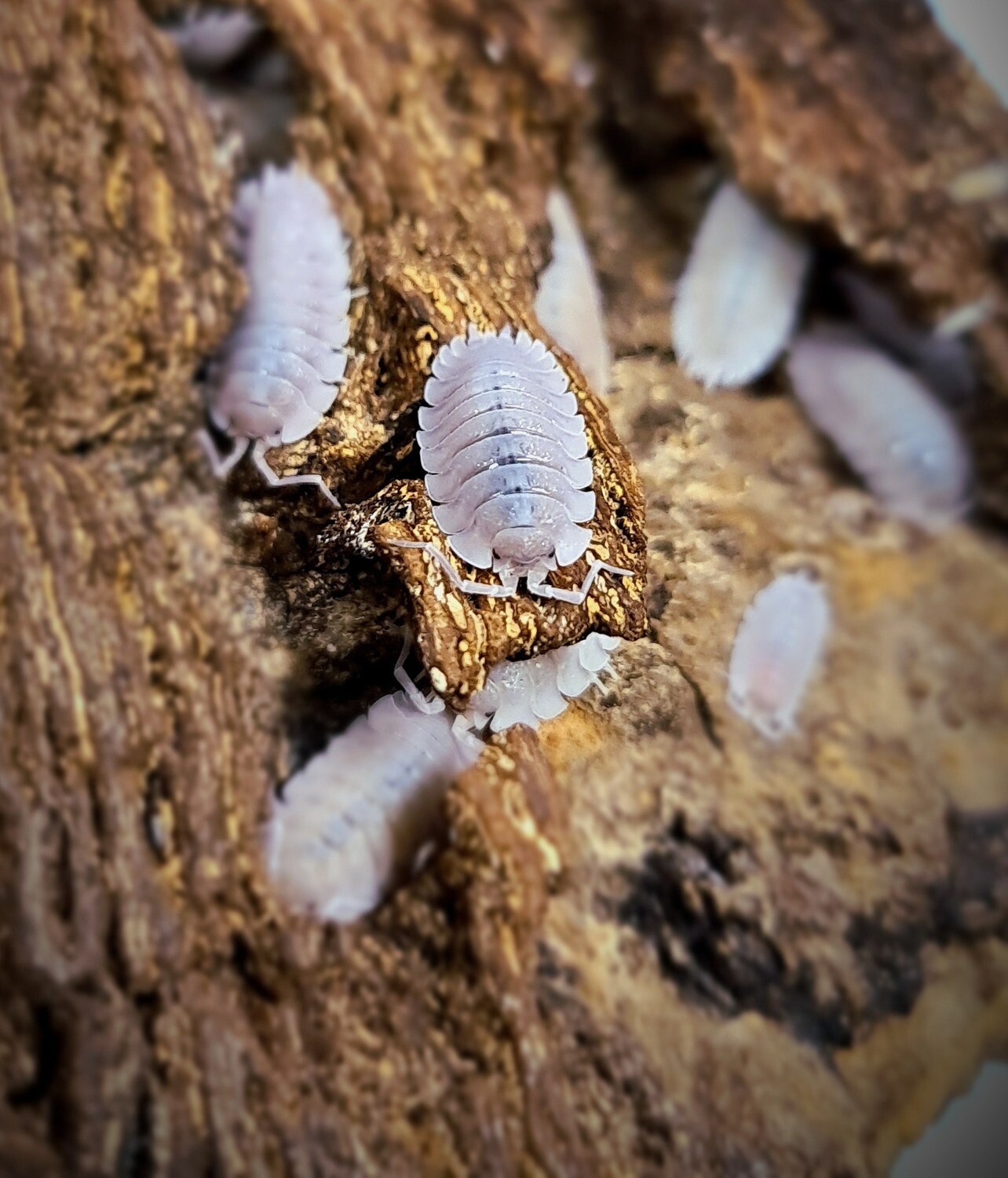
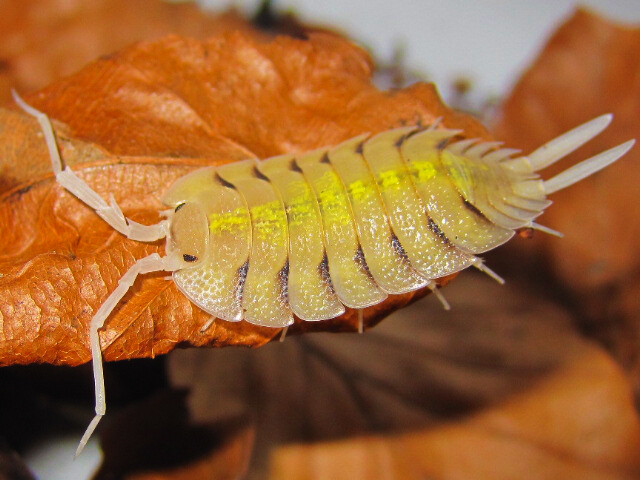
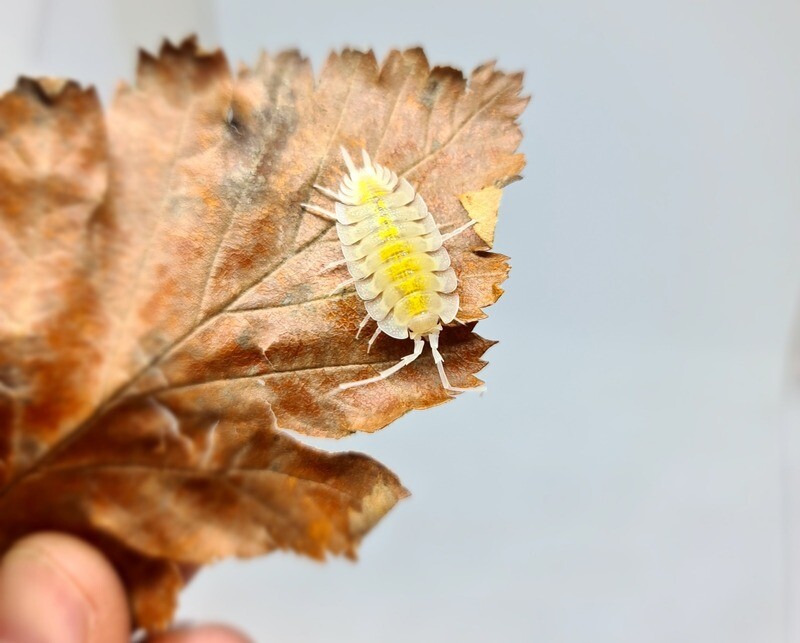
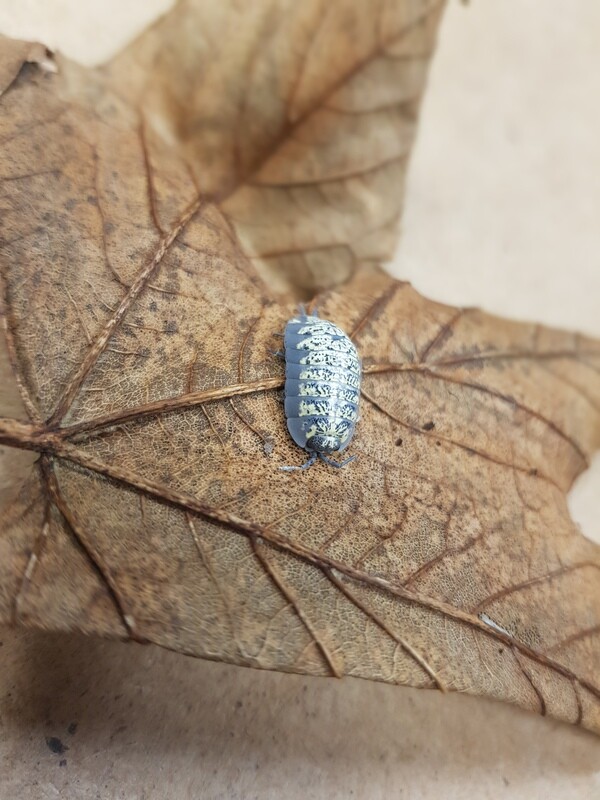
Porcellio spinipes (frequently referred to as the "Spiny-Footed Isopod") is a magnificent and architecturally unique species belonging to the "giant" Spanish Porcellio group. This isopods' most striking feature is its elongated, slender body and its exceptionally long appendages (antennae and uropods), which give it a delicate yet prehistoric silhouette. The P. spinipes is covered in a series of fine, spine-like granules along its back, providing a fascinating tactile texture. Unlike the more colorful "Sevilla" or "Silvestrii," the Spinipes relies on its unique morphology and impressive length to stand out. They are incredibly fast and agile, often seen "stilt-walking" across the enclosure with their long legs, making them a captivating species to observe in a display setup. Perfect for Mediterranean-style bioactive terrariums , specialized displays , and collectors who appreciate unique anatomical structures. Activity level: High / Extremely Fast. Rarity: Uncommon / Collector's Choice. Ventilation: Very High/Excellent. Cross-ventilation is essential to prevent respiratory issues and promote healthy molting.. Substrate: Well-draining organic soil mix with a deep layer of hardwood leaf litter..
SOURCES & FURTHER READING
Check the references
Care can vary by species, life stage and local conditions. Review multiple reputable sources before making husbandry decisions.
KEEP EXPLORING
More Porcellio
Other completed care guides from the same scientific genus.