SPECIES CARE GUIDE
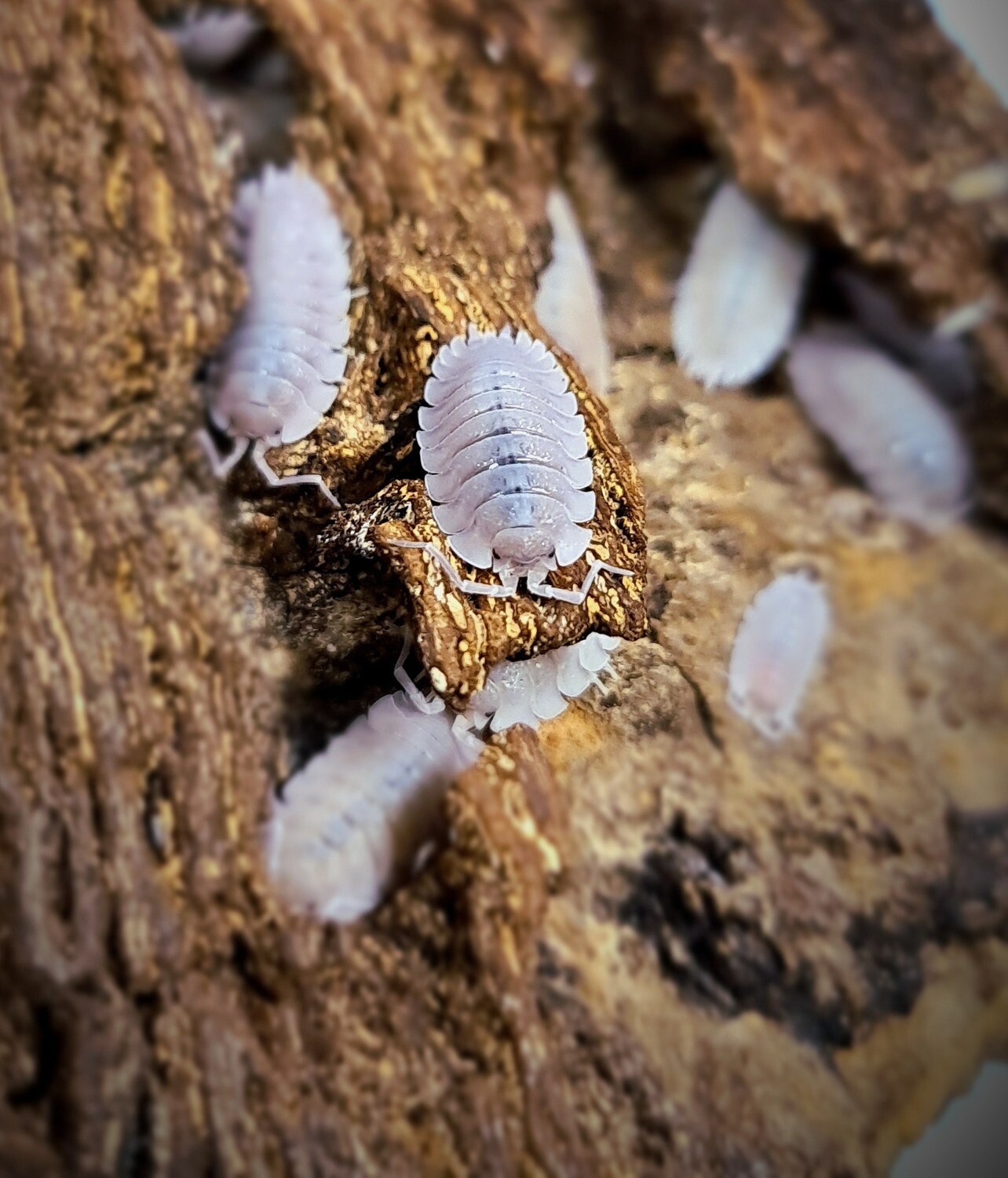
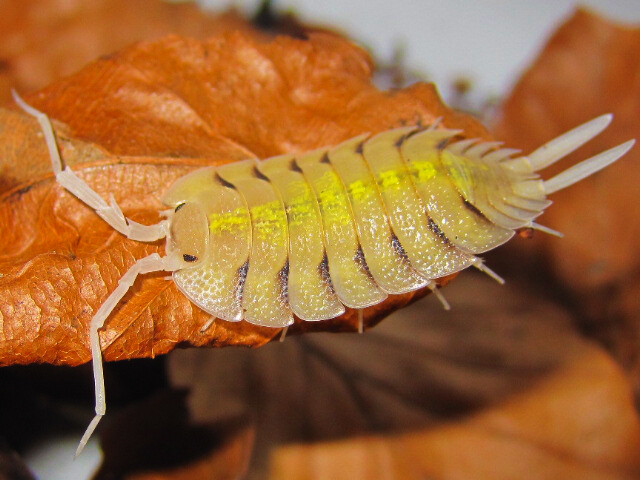
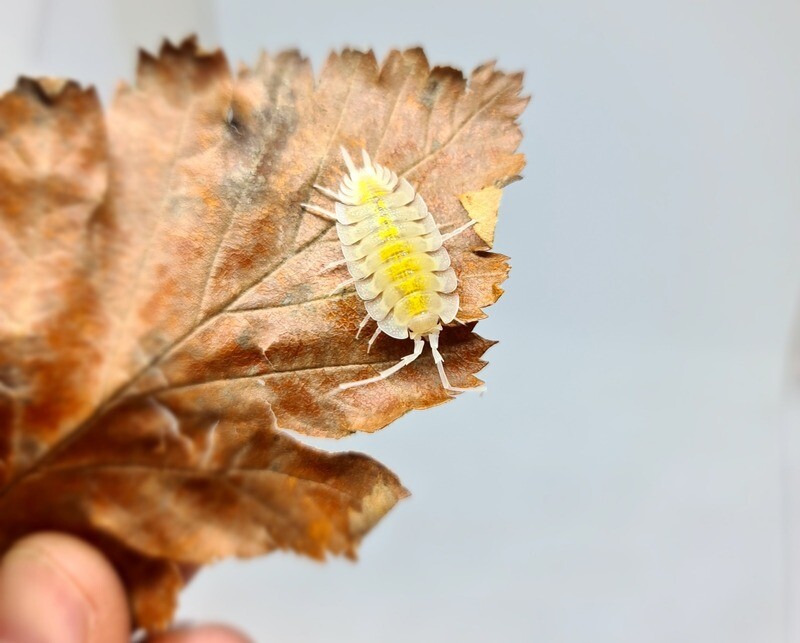
Porcellio Violaceus "Rubivan"
Porcellio "Rubivan"
ENVIRONMENT
Core care conditions
Use these ranges as a starting point and adjust for life stage, enclosure ventilation and observed behaviour.
HUSBANDRY OVERVIEW
At a glance
- Taxonomic group
- Malacostraca
- Origin
- North Africa (Morocco / Algeria region)
- Lifestyle
- Terrestrial isopod / bioactive clean-up crew
- Adult size (body / total length)
- ~2.5--3.2 cm (A large and imposing species)
- Temperament
- Harmless / colony species
- Experience level
- Moderate to Advanced (Requires precise moisture control)
- Visibility
- Mostly visible when established; hides under bark/leaf litter
- Burrowing
- May shelter under cork, bark, leaf litter and within substrate
- Growth rate
- Fast to moderate colony growth depending on species and conditions
CARE NOTES
Keeping considerations
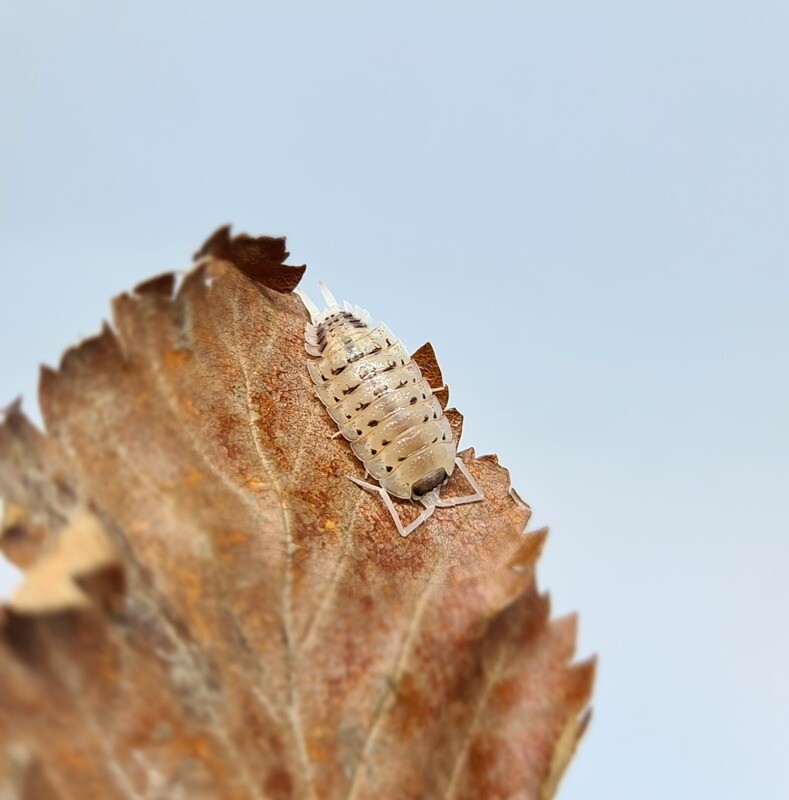
Porcellio violaceus "Rubivan" is a true masterpiece of nature and a legendary gem among isopod collectors. Is a rare aesthetic that sets it apart from almost any other terrestrial crustacean. The "Rubivan" lineage is particularly prized for the intensity of this hue and its impressive size. Native to North Africa, this isopod features a wide, robust body with elegantly long antennae and uropods. Its exoskeleton has a velvety, matte texture that makes the tones pop against natural backgrounds. Despite its delicate appearance, it is a bold and active species that thrives in specialized Mediterranean setups. Seeing a group of these "Giants" moving through a terrarium is a highlight for any invertebrate enthusiast. Perfect for elite prestige collections , high-contrast display terrariums , and advanced keepers looking for the most colorful giant in the hobby. Activity level: High / Very Bold. Rarity: Extremely Rare / Top-Tier Collector Species. Ventilation: Extreme/Maximum. High-volume cross-ventilation is mandatory to ensure their respiratory health.. Substrate: Arid organic soil mix enriched with crushed limestone and plenty of dry hardwood leaf litter..
SOURCES & FURTHER READING
Check the references
Care can vary by species, life stage and local conditions. Review multiple reputable sources before making husbandry decisions.
KEEP EXPLORING
More Porcellio
Other completed care guides from the same scientific genus.