SPECIES CARE GUIDE
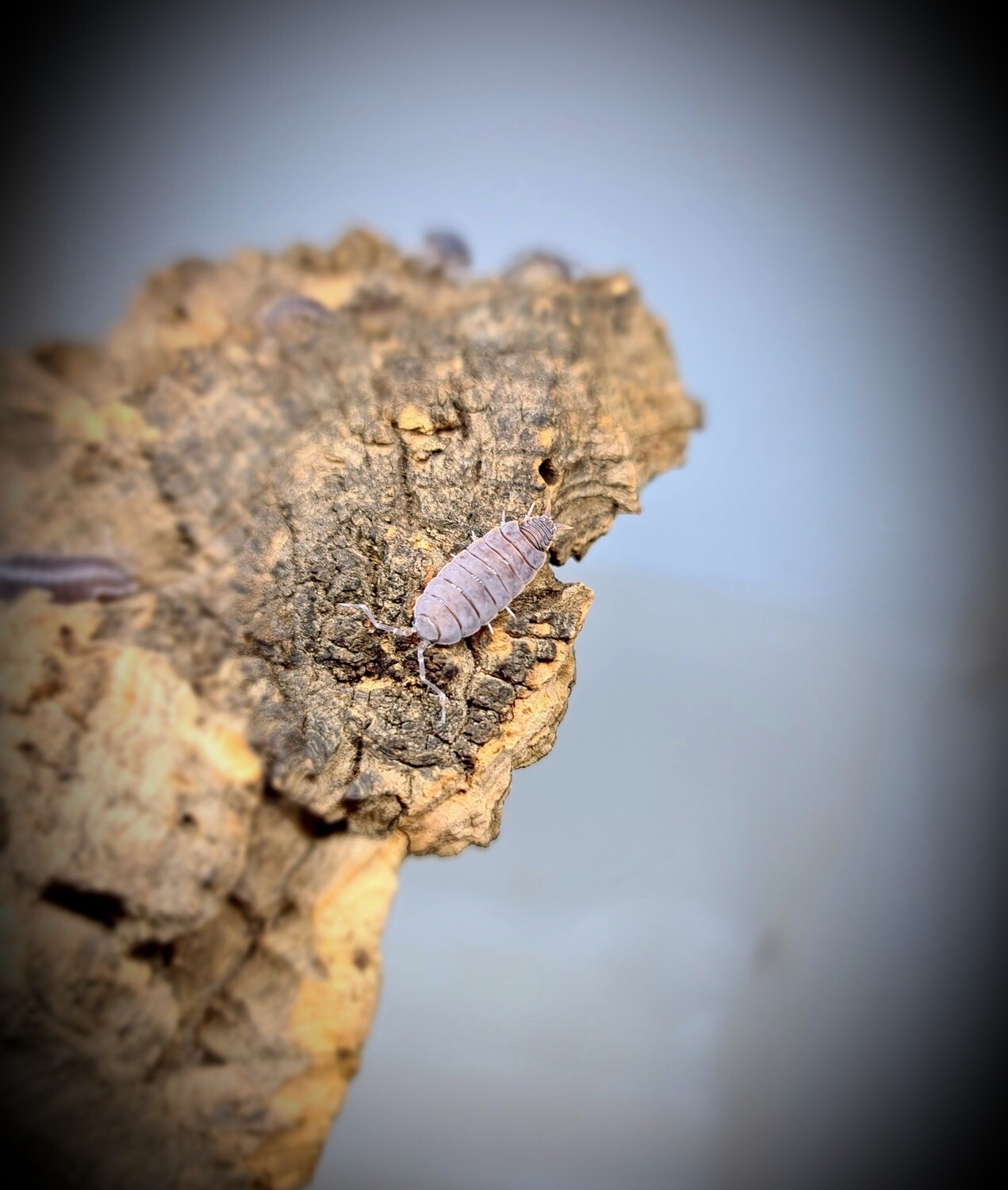
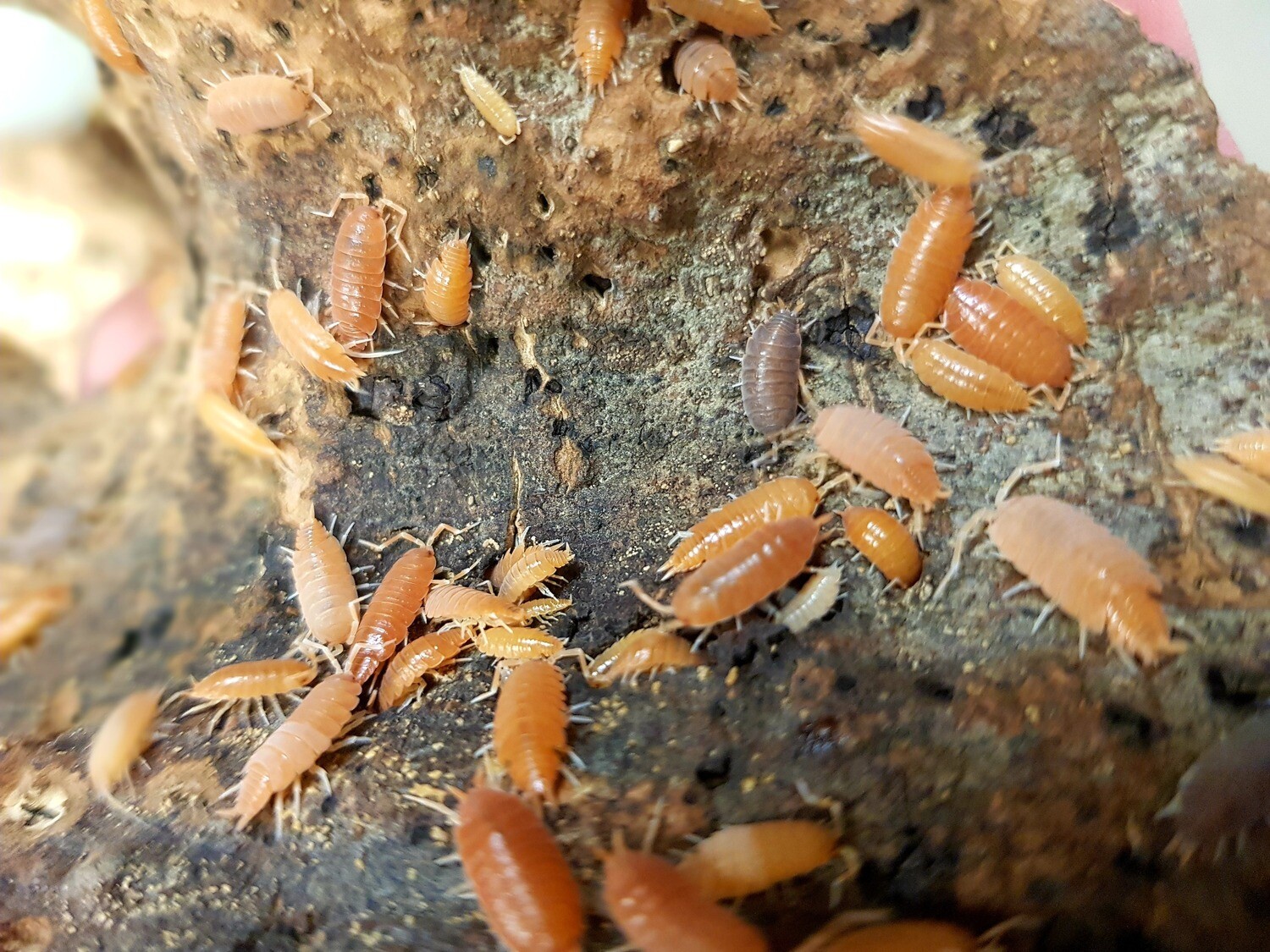
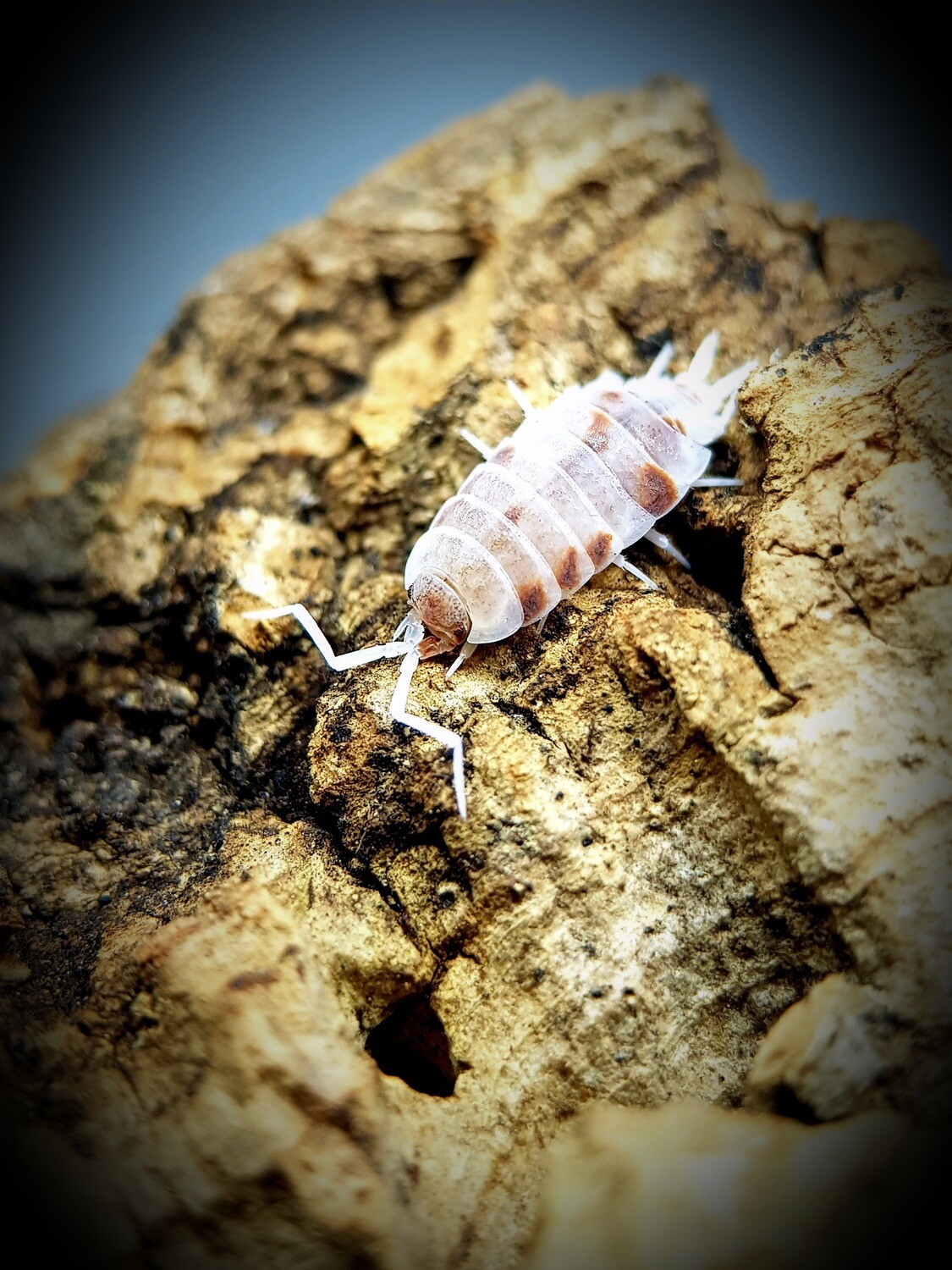
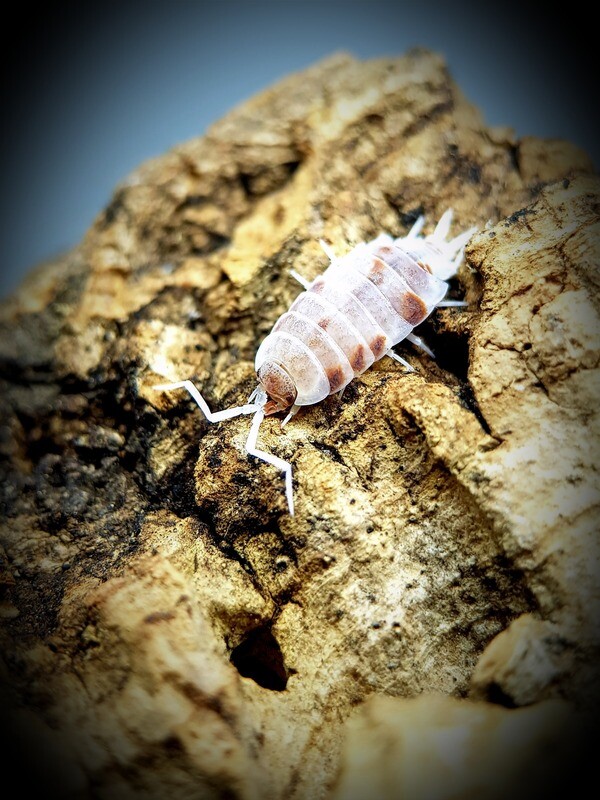
Porcellionides Pruinosus "Orange Dalmatian"
Porcellionides pruinosus "Dalmatian Orange"
ENVIRONMENT
Core care conditions
Use these ranges as a starting point and adjust for life stage, enclosure ventilation and observed behaviour.
HUSBANDRY OVERVIEW
At a glance
- Taxonomic group
- Malacostraca
- Origin
- (Southern Europe and Northern Africa)
- Lifestyle
- Terrestrial isopod / bioactive clean-up crew
- Adult size (body / total length)
- ~1.2 cm (adult)
- Temperament
- Harmless / colony species
- Experience level
- Very Easy
- Visibility
- Mostly visible when established; hides under bark/leaf litter
- Burrowing
- May shelter under cork, bark, leaf litter and within substrate
- Growth rate
- Fast to moderate colony growth depending on species and conditions
CARE NOTES
Keeping considerations
Porcellionides pruinosus (commonly known as the Porcellionides Pruinosus isopod) is an extremely active and versatile terrestrial isopod, essential for any bioactive terrarium enthusiast. Unlike slower species, P. pruinosus stands out for its incredible speed and rapid reproduction rate, making it the ultimate clean-up crew. They are tireless workers, breaking down leaf litter, food scraps, and organic waste, keeping your vivarium's ecosystem spotless and healthy. Perfect for bioactive terrariums, reptile vivariums, and beginner collectors looking for a hardy and rewarding species. Activity level: Very High. Rarity: Common / Essential. Ventilation: Moderate. Substrate: Organic soil mix with abundant leaf litter and decaying wood..
SOURCES & FURTHER READING
Check the references
Care can vary by species, life stage and local conditions. Review multiple reputable sources before making husbandry decisions.
KEEP EXPLORING
More Porcellionides
Other completed care guides from the same scientific genus.