SPECIES CARE GUIDE
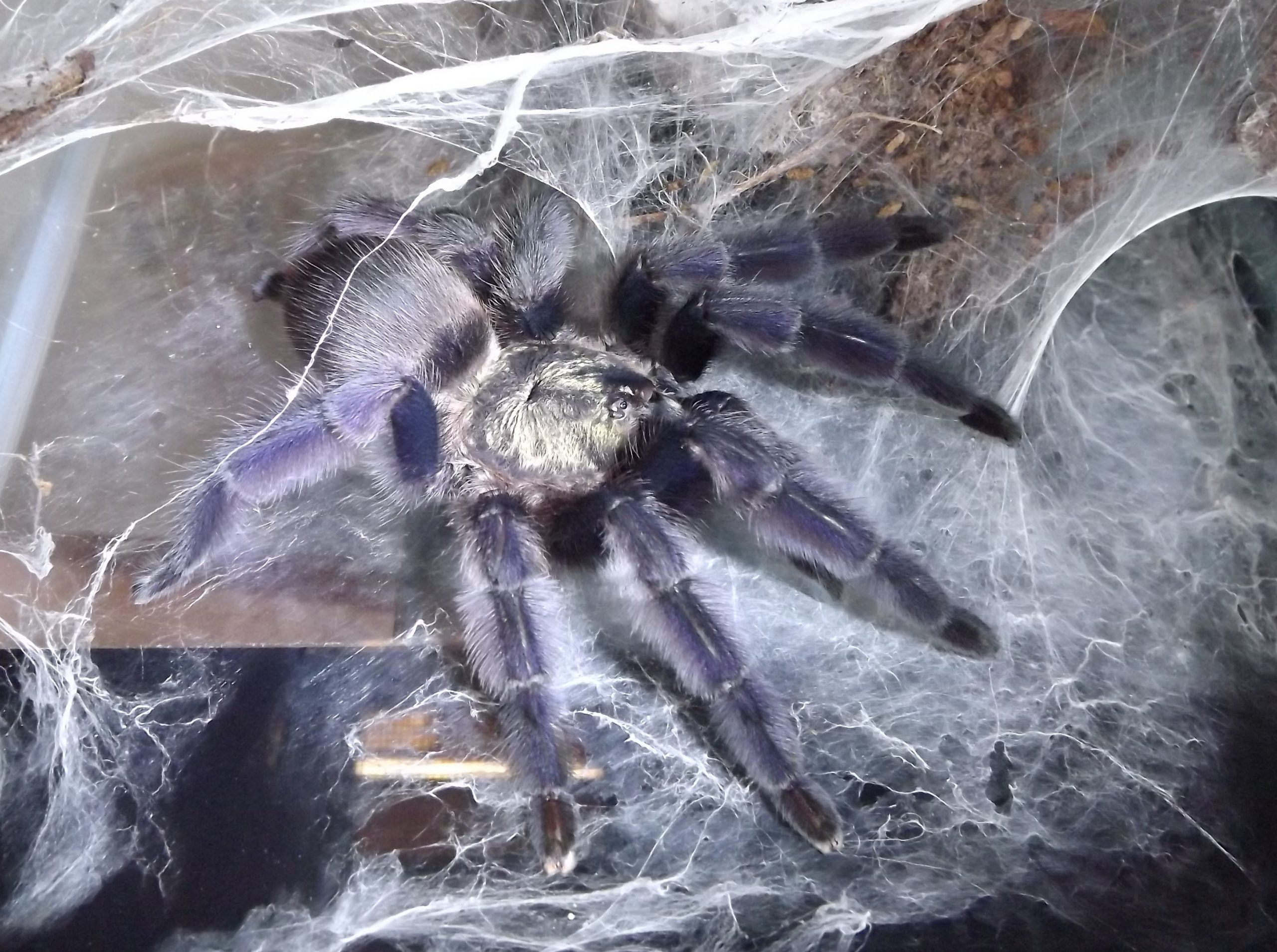
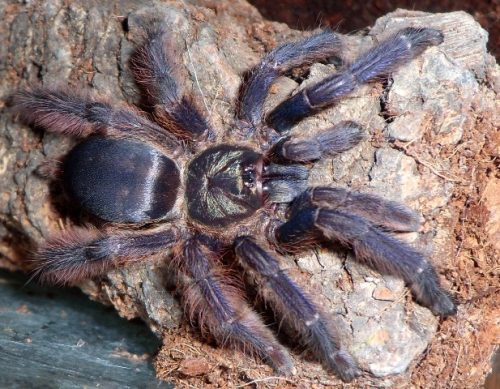
St. Vincents Tree Spider
Tapinauchenius sanctivincenti
ENVIRONMENT
Core care conditions
Use these ranges as a starting point and adjust for life stage, enclosure ventilation and observed behaviour.
HUSBANDRY OVERVIEW
At a glance
- Taxonomic group
- Arachnida
- Origin
- St. Vincent and the Grenadines
- Lifestyle
- Arboreal
- Adult size (diagonal leg span)
- 12 cm
- Temperament
- Flighty
- Experience level
- Beginner+ / Intermediate
- Visibility
- Often visible around webbing or retreats
- Burrowing
- No; arboreal web/retreat builder
- Growth rate
- Medium
- Urticating hairs
- No
- Venom
- Mild to moderate
- Tarantula region
- New World
- Male lifespan
- 3–5 years
- Female lifespan
- 10–15 years
CARE NOTES
Keeping considerations
Arboreal species native to the Lesser Antilles requiring warm temperatures (22–26°C) and moderate-to-high humidity (70–80%). Known for an exceptionally fast, flighty temperament and agile movements, making them best suited for experienced keepers as an observation-only tarantula.
PRACTICAL HUSBANDRY
Day-to-day care
Diet & prey
Crickets, Dubia roaches, red runner roaches, and locusts.
Feeding
Slings/Juveniles: Feed 1–2 small prey items every 4–7 days. Sub-adults/Adults: Feed 1–2 appropriately sized insects (up to the size of the spider's carapace) every 7–10 days. Remove uneaten prey after 24 hours.
Enclosure
Type & Orientation: Arboreal setup with greater height than floor space (e.g., acrylic or glass arboreal enclosure, minimum 20×20×30 cm for adults). Decor: Provide vertical cork bark tube/slab and foliage to anchor arboreal web tube retreats.
Substrate
Coco coir, peat moss, or a bioactive soil blend (2–3 inches depth). Retains moisture well without becoming waterlogged.
Ventilation
Cross-ventilation is essential to prevent stale, stagnant air and mold growth, especially given the higher humidity requirements.
Hydration & misting
Provide a small, elevated or ground-level water dish with clean water at all times. Lightly mist one side of the enclosure 1–2 times a week to allow drinking from web strands or decor, while ensuring good airflow allows it to dry out slightly between mistings.
Handling
Not recommended for handling. Very fast, agile, and prone to bolting when disturbed. Best kept as an observation species.
Sex differences
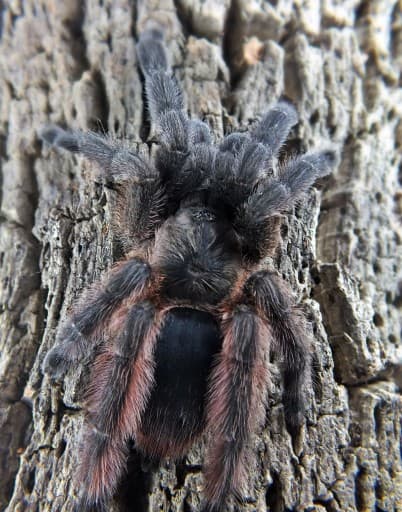
Mature males are slimmer with longer legs, tibial hooks, and swollen pedipalps (emboli). Females are stockier with broader abdomens and retain stronger grey/pinkish coloration into maturity.
IMPORTANT CONSIDERATIONS
Keeper notes
Extremely fast moving; open enclosure with caution during rehousing or feeding as they can easily bolt or jump.
SOURCES & FURTHER READING
Check the references
Care can vary by species, life stage and local conditions. Review multiple reputable sources before making husbandry decisions.
Last reviewed:
KEEP EXPLORING
More Tapinauchenius
Other completed care guides from the same scientific genus.