SPECIES CARE GUIDE
Troglodillo Sp "Vex"
Troglodillo Sp "Vex"
ENVIRONMENT
Core care conditions
Use these ranges as a starting point and adjust for life stage, enclosure ventilation and observed behaviour.
HUSBANDRY OVERVIEW
At a glance
- Taxonomic group
- Malacostraca
- Origin
- Unknown
- Lifestyle
- Terrestrial isopod / bioactive clean-up crew
- Adult size (body / total length)
- ~1–3 cm depending on species
- Temperament
- Harmless / colony species
- Experience level
- Medium
- Visibility
- Mostly visible when established; hides under bark/leaf litter
- Burrowing
- May shelter under cork, bark, leaf litter and within substrate
- Growth rate
- Fast to moderate colony growth depending on species and conditions
CARE NOTES
Keeping considerations
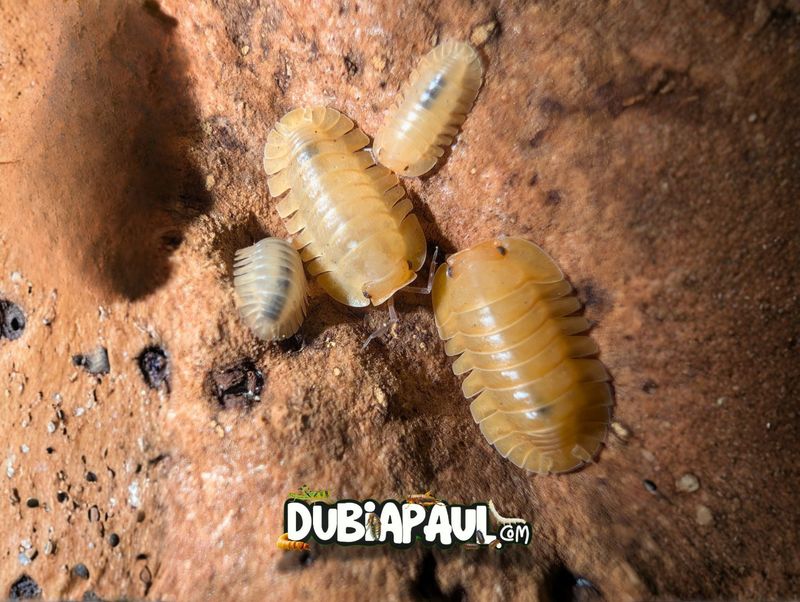
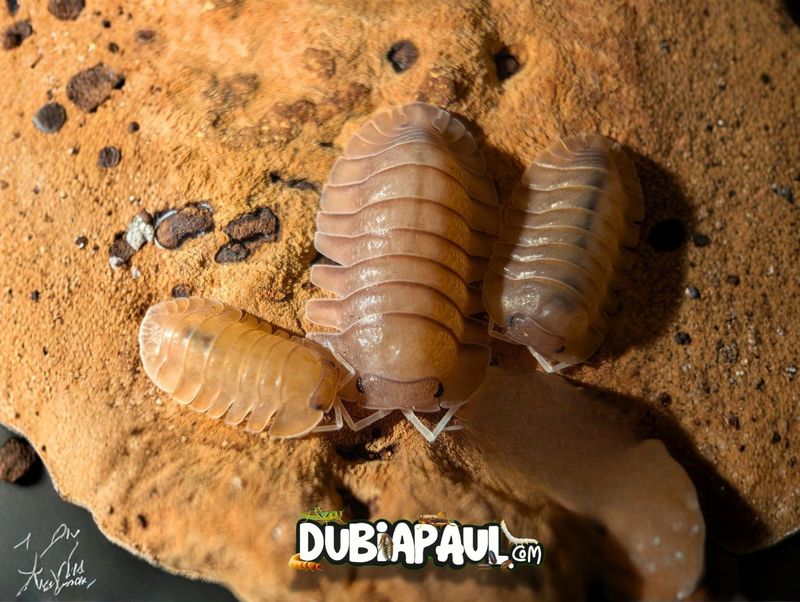
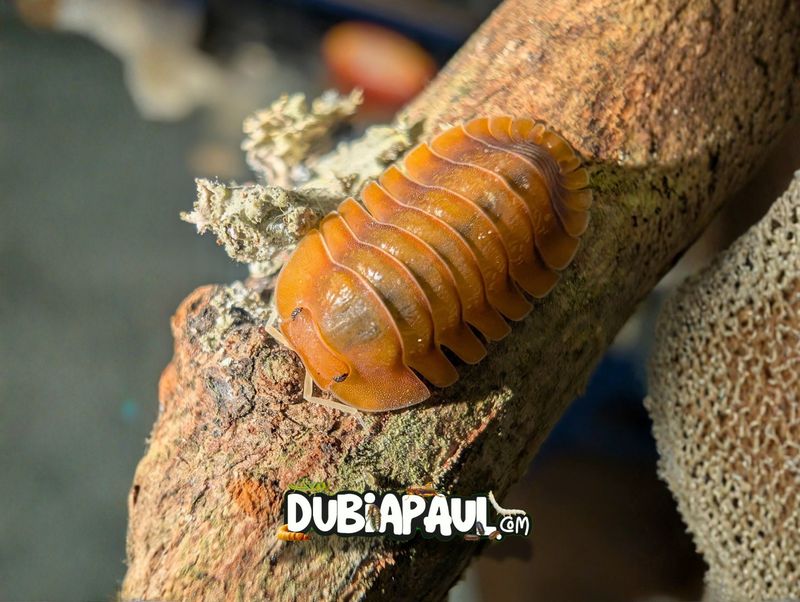
🛡️ Troglodillo sp. "Vex" The Translucent Amber Shield The Troglodillo sp. "Vex" is a biological masterpiece. Renowned for its broad, flattened body and a mesmerizing honey-amber glow, this species looks like it was carved from precious resin. Unlike burrowing isopods, the "Vex" is a specialist that suctions itself to bark and rocks---a stunning "living shield" for your collection. 🧬 Species Highlights Scientific Name: Troglodillo sp.* "Vex" * Visuals: Translucent amber body with wide lateral skirts. * Morphology: Ultra-flat (Depressed) for tight crevices. * Personality: Calm, steady, and highly visible. * Rarity: ⭐⭐⭐⭐⭐ (Elite Collector Species). 🛠️ Expert Care Guide | Feature | Specification | |-----------------|--------------------------------------| | Difficulty | Intermediate to Advanced | | Humidity | 80% (High moisture + Airflow) | | Temperature | 20--26°C (75--80°F) | | Ventilation | High (Essential to prevent mold) | | Substrate | Organic mix + Heavy Limestone | 🥗 Premium Rarity: ⭐⭐⭐⭐⭐ (Elite Collector Species)..
SOURCES & FURTHER READING
Check the references
Care can vary by species, life stage and local conditions. Review multiple reputable sources before making husbandry decisions.
KEEP EXPLORING
More Troglodillo
Other completed care guides from the same scientific genus.