SPECIES CARE GUIDE
Venecillo Parvus
Venezillo parvus
ENVIRONMENT
Core care conditions
Use these ranges as a starting point and adjust for life stage, enclosure ventilation and observed behaviour.
HUSBANDRY OVERVIEW
At a glance
- Taxonomic group
- Malacostraca
- Origin
- Circumtropical / Widely distributed (Originally Southeast Asia/Pacific)
- Lifestyle
- Terrestrial isopod / bioactive clean-up crew
- Adult size (body / total length)
- ~0.5--0.8 cm (A true miniature species)
- Temperament
- Harmless / colony species
- Experience level
- Very Easy (One of the hardiest isopods available)
- Visibility
- Mostly visible when established; hides under bark/leaf litter
- Burrowing
- May shelter under cork, bark, leaf litter and within substrate
- Growth rate
- Fast to moderate colony growth depending on species and conditions
CARE NOTES
Keeping considerations
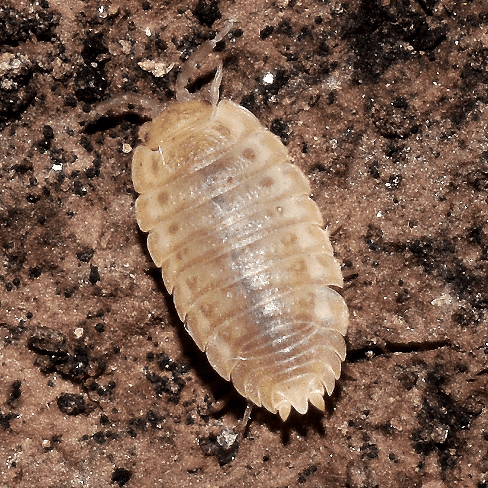
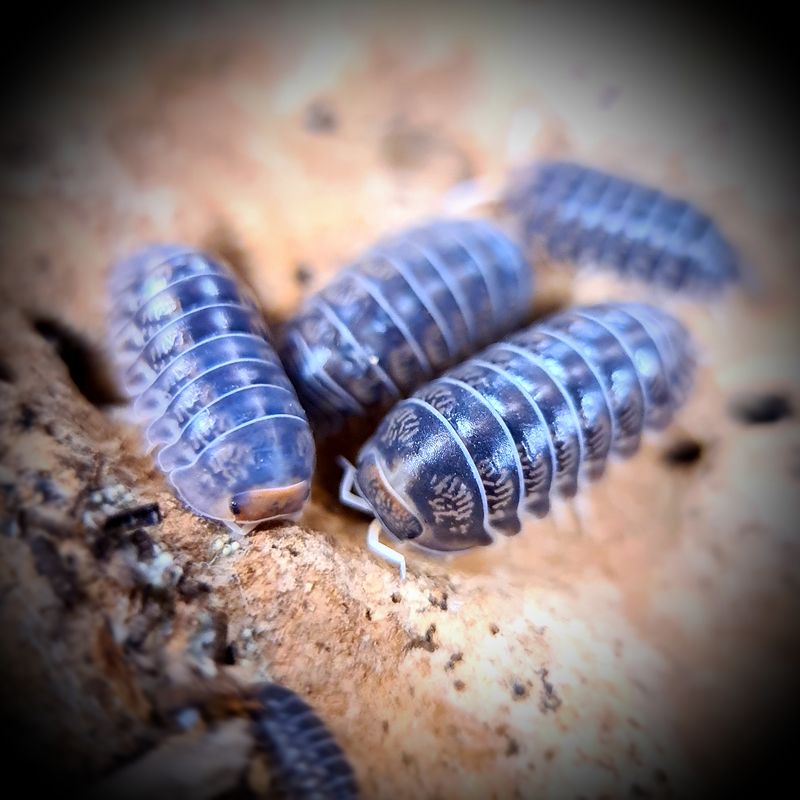
Venezillo parvus (The "Little Pill Bug") is a charming and incredibly hardy miniature isopod that is taking the hobby by storm. Known for its compact, perfectly spherical rolling ability and its "bullet-proof" nature, this species is the ideal choice for those who want a prolific, low-maintenance inhabitant for smaller setups or specialized bioactive environments. Visually, V. parvus features a smooth, polished exoskeleton with a sophisticated gradient of slate-grey to dusty tan , often showing subtle pale markings along the edges. Their small size (~5--8mm) makes them look like tiny moving pearls on the substrate. Despite being small, they are extremely bold and social, often found in large clusters. They are famous for their "boom" breeding style, quickly establishing a thriving colony that keeps the terrarium floor clean and active. Perfect for small-scale bioactive setups , terrarium Clean-Up Crews , and beginner keepers who want a "Cubaris-style" rolling isopod with much easier Activity level: Very High / Extremely Social. Rarity: Common / Essential "Utility" Species. Ventilation: Moderate . They are not as sensitive to airflow as larger Porcellio species.. Substrate: Organic soil mix enriched with calcium and plenty of decaying wood..
SOURCES & FURTHER READING
Check the references
Care can vary by species, life stage and local conditions. Review multiple reputable sources before making husbandry decisions.
KEEP EXPLORING
More isopods
Related completed care guides from the isopods library.