SPECIES CARE GUIDE
South American Dead Leaf Mantis
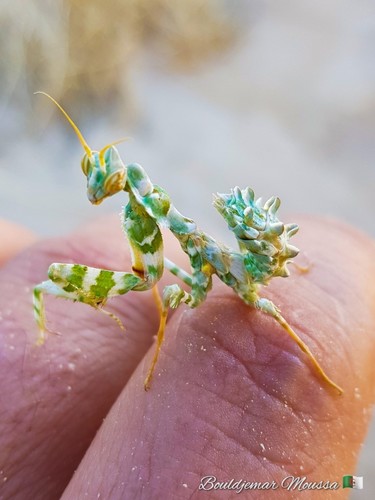
Acanthops falcata

ENVIRONMENT
Core care conditions
Use these ranges as a starting point and adjust for life stage, enclosure ventilation and observed behaviour.
HUSBANDRY OVERVIEW
At a glance
- Taxonomic group
- Insecta
- Origin
- Central / South America
- Lifestyle
- Leaf-mimic arboreal mantis
- Adult size (body / total length)
- Medium mantis
- Temperament
- Still / cryptic ambush predator
- Experience level
- Intermediate
- Visibility
- Often remains still, camouflaged on bark/leaves
- Burrowing
- Does not burrow; use bark, leaf litter, vertical stems and good airflow
- Growth rate
- Medium
CARE NOTES
Keeping considerations
Housing & Enclosure Setup Height Standard: Provide an enclosure at least 4× the length of the mantis in height to account for added substrate, decor, and safe vertical moulting clearance. Moulting Anchor: A mesh lid is non-negotiable—mantises require a secure overhead grip to hang vertically while shedding. Juvenile Decor: Keep juvenile setups minimal to maintain an unobstructed "moult zone." Enclosure Fit: Compact, clear acrylic options (like ClearLife Enclosures) with mesh lids work ideal for this calm species. Feeding & Diet Hunting Style: Pure ambush predator; uses rhythmic leaf-swaying camouflage, then executes explosive strikes once prey is close. Preferred Prey: Flies, small cockroaches, and active soft-bodied invertebrates. Avoid overly large or jumpy prey. Tongs can be used for controlled feeding. Feeding Frequency: Guide by Abdomen Shape: Feed when the abdomen appears flat. If the pale membrane between abdominal segments is visible, the mantis is full (overfeeding can cause fatal abdominal ruptures). Females: High nutritional demand (regular, protein-rich prey needed for ootheca production). Males: Light, intermittent eaters; often skip meals or go weeks without feeding naturally. Breeding Considerations Courtship: Males approach very slowly, imitating drifting leaves and freezing when the female shifts. Safety: Females must be well-fed prior to pairing to minimize aggression toward the male.
SOURCES & FURTHER READING
Check the references
Care can vary by species, life stage and local conditions. Review multiple reputable sources before making husbandry decisions.
KEEP EXPLORING
More mantids
Related completed care guides from the mantids library.