SPECIES CARE GUIDE
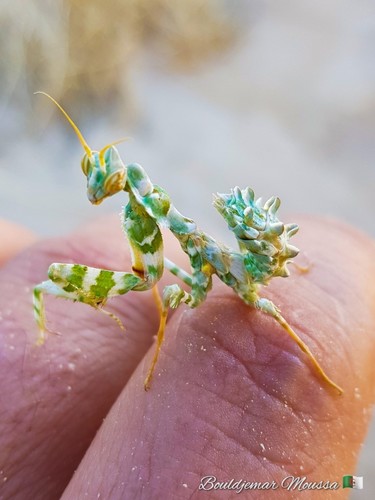
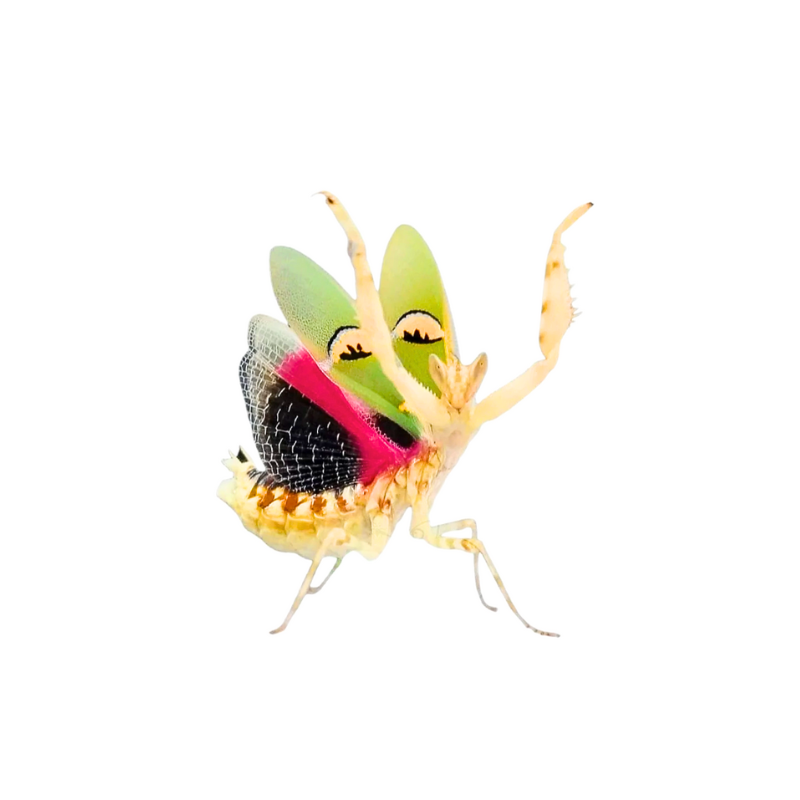
Yunnan Flower Mantis
Creoboter sp . “Yunnan”
ENVIRONMENT
Core care conditions
Use these ranges as a starting point and adjust for life stage, enclosure ventilation and observed behaviour.
HUSBANDRY OVERVIEW
At a glance
- Taxonomic group
- Insecta
- Origin
- Asia
- Lifestyle
- Arboreal
- Adult size (body / total length)
- 4
- Temperament
- Generally calm
- Experience level
- Intermediate
- Visibility
- Always visible
- Growth rate
- Moderate
CARE NOTES
Keeping considerations
Keep the Praying Mantis in a tall container; a plastic sweet jar is ideal. There is sufficient air in the container, but provide some ventilation to prevent stale air. Provide twigs, which are almost the height of the jar for the mantis to climb up on; this is essential for it to be able to moult successfully. Temperature: The ideal range is 18° – 30°C.( The lower the temp. the slower the growth rate.) with a regular fine water spray in the cage, without making the cage wet as mould is a potential insect killer. Food: Feed on live foods e.g. flies, maggots, crickets, locusts, and grasshoppers. etc. in fact they will eat just about anything they can grab, but as a rule try feed things that are less than half the size of the Mantis. Breeding: Introduce the male to the female in a large cage, or aquarium after feeding her all she can eat (no easy task!). Mating (pairing) may last some hours and only occasionally results in the male being eaten. The female should lay an egg mass (ootheca) 2 – 4 weeks after mating which will be attached to a twig or stick. This can produce between 10 – 300 young, depending on the species and will hatch about 4 – 6 weeks after being laid. Young Mantis should be fed on fruit flies, green /black flies or again anything they can grab, micro crickets suit quite a few species shortly after hatching.
KEEP EXPLORING
More mantids
Related completed care guides from the mantids library.