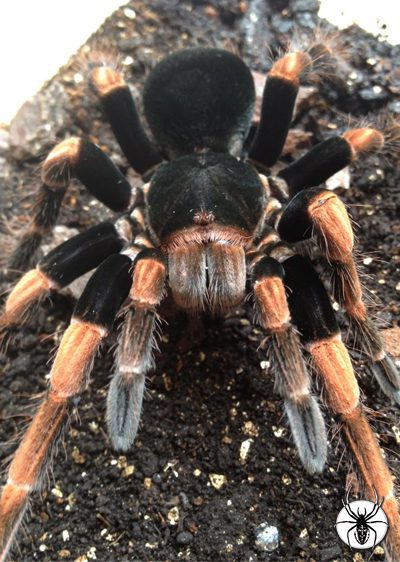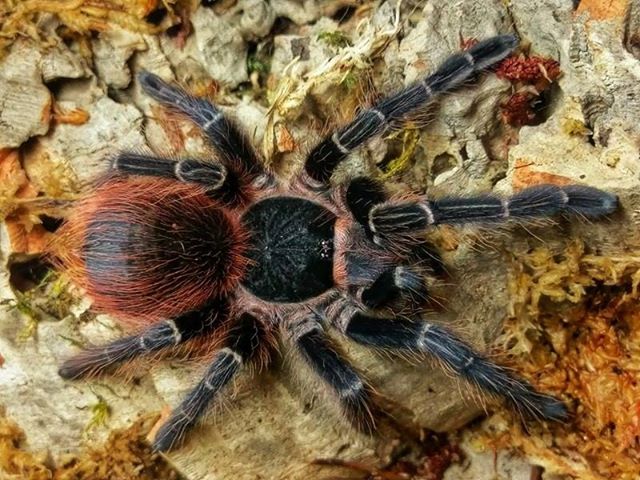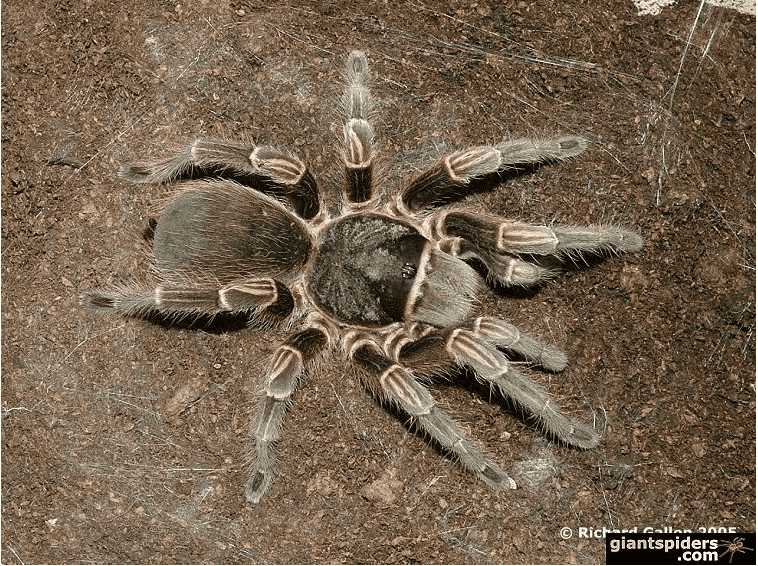
SPECIES CARE GUIDE
Amazon Sapphire Pink Toe
Ybyrapora diversipes
ENVIRONMENT
Core care conditions
Use these ranges as a starting point and adjust for life stage, enclosure ventilation and observed behaviour.
HUSBANDRY OVERVIEW
At a glance
- Taxonomic group
- Arachnida
- Origin
- Brazil
- Lifestyle
- Arboreal
- Adult size (diagonal leg span)
- 10-13
- Temperament
- Skittish
- Experience level
- Beginner+
- Visibility
- Often visible
- Burrowing
- Does not burrow
- Growth rate
- Moderate
- Urticating hairs
- Yes
- Venom
- Mild
- Tarantula region
- New World
- Male lifespan
- 3-4
- Female lifespan
- 10-12
CARE NOTES
Keeping considerations
Anchor a vertical piece of cork bark near the top of the tank to encourage them to build their characteristic funnel web. Keep a close eye on spiderlings, as proper cross-ventilation is the key to raising this species successfully.
PRACTICAL HUSBANDRY
Day-to-day care
Enclosure
Arboreal
Substrate
Moisture-retaining yet well-draining substrate (such as coco fibre or a bioactive tropical mix)
Ventilation
Crucial. They require high humidity ($75\text{–}80\%$) combined with excellent cross-ventilation to prevent stagnant air and mold growth.
Hydration & misting
Lightly mist one side of the enclosure a couple of times a week to allow droplets for drinking, or provide a small elevated water dish anchored in their web. Ensure the enclosure dries out slightly between mistings.
Handling
Best kept as a "look-but-don't-touch" display species. They are extremely fast, agile, and prone to sudden leaps or bolting rather than biting, meaning a fall can easily injure them.
Sex differences
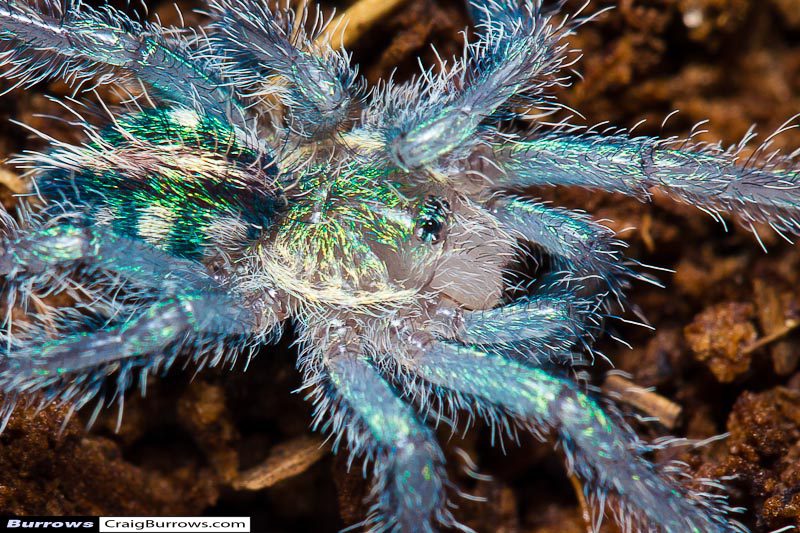
Both feature the iconic iridescent blue legs and velvety black/green carapace when mature.
IMPORTANT CONSIDERATIONS
Keeper notes
Possesses Type II urticating hairs (which they can flick if bothered) and mild venom. Their primary defense is bolting or jumping to freedom rather than aggression.
KEEP EXPLORING
More tarantulas
Related completed care guides from the tarantulas library.