SPECIES CARE GUIDE
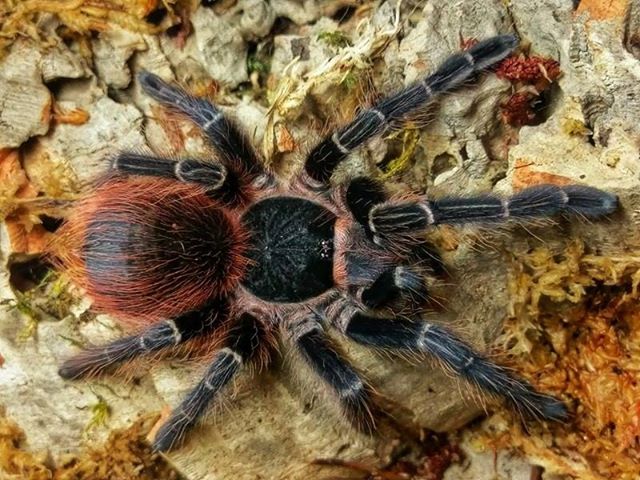
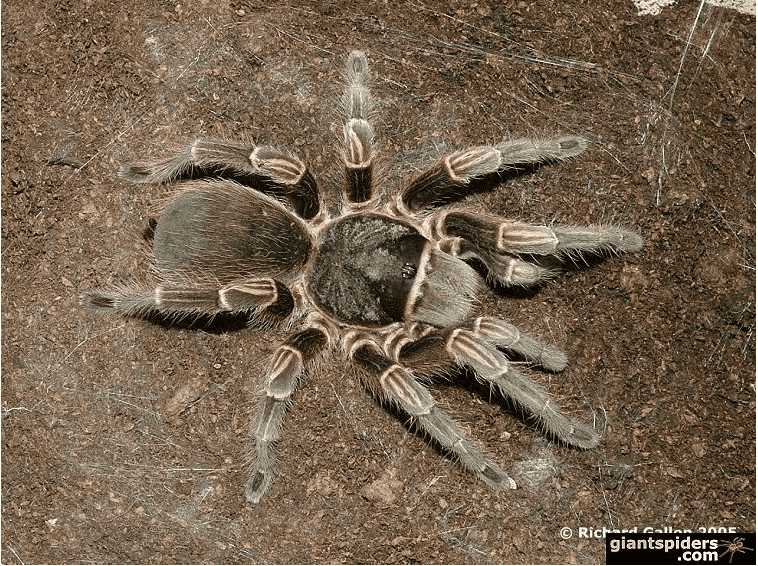
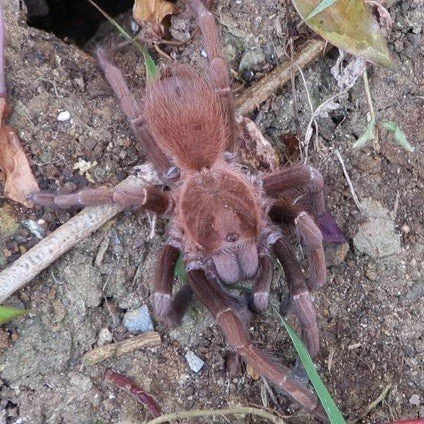
Brazilian White Knee Tarantula
Acanthoscurria geniculata
ENVIRONMENT
Core care conditions
Use these ranges as a starting point and adjust for life stage, enclosure ventilation and observed behaviour.
HUSBANDRY OVERVIEW
At a glance
- Taxonomic group
- Arachnida
- Origin
- Brazil
- Lifestyle
- Terrestrial
- Adult size (diagonal leg span)
- 18–22 cm
- Temperament
- Bold / hungry / can be flicky
- Experience level
- Beginner+ / Intermediate
- Visibility
- Often visible; not usually shy
- Burrowing
- May dig or use hides
- Growth rate
- Fast
- Urticating hairs
- Yes
- Venom
- Mild to moderate
CARE NOTES
Keeping considerations
A large Brazilian terrestrial tarantula with a strong feeding response and regular use of urticating hairs. House it in a sturdy, low enclosure with deep substrate, a stable hide and an always-available water dish. A lightly moist lower layer or moisture gradient can be maintained while the surface is allowed to breathe; stagnant, saturated conditions should be avoided. Its size and variable defensive response make it better suited to a keeper comfortable with confident maintenance and rehousing. Do not handle, and leave generous clearance around the animal when feeding or servicing the enclosure.
PRACTICAL HUSBANDRY
Day-to-day care
Diet & prey
Captive-bred crickets, roaches, locusts and mealworms of an appropriate size; avoid wild-caught prey.
Feeding
Offer suitable prey once or twice weekly according to age and body condition. This species has a strong feeding response, so use tools and remove uneaten prey after 24 hours. Stop feeding during premoult and until the fangs harden after moulting.
Enclosure
Secure, low terrestrial enclosure around 1.5 times the leg span in length, with generous floor space, a sturdy cork-bark hide and shallow water dish. Limit climbing height to reduce fall risk.
Substrate
Provide at least 10 cm of compacted coco fibre or soil-based substrate to support digging and a stable retreat. Keep lower layers slightly moist but never saturated.
Ventilation
Provide good cross-ventilation while retaining modest moisture in the lower substrate. Avoid stagnant, waterlogged conditions.
Hydration & misting
Keep a clean, shallow water dish available at all times. Periodically moisten or overflow one area, allowing the surface to dry between watering.
Handling
Best kept as an observation animal. Its strong feeding response, size and urticating hairs make handling unsuitable; use long tools and a catch cup for maintenance.
IMPORTANT CONSIDERATIONS
Keeper notes
Can be bold and defensive with a strong feeding response, and may readily kick urticating hairs. Keep hands clear when feeding, protect eyes and airways, and never disturb a moulting tarantula.
SOURCES & FURTHER READING
Check the references
Care can vary by species, life stage and local conditions. Review multiple reputable sources before making husbandry decisions.
Last reviewed:
KEEP EXPLORING
More Acanthoscurria
Other completed care guides from the same scientific genus.