SPECIES CARE GUIDE
Cat-Eyed Mantis
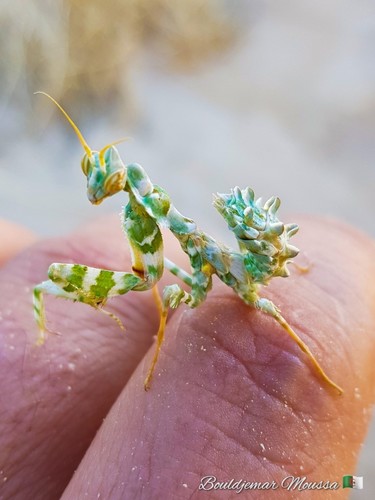
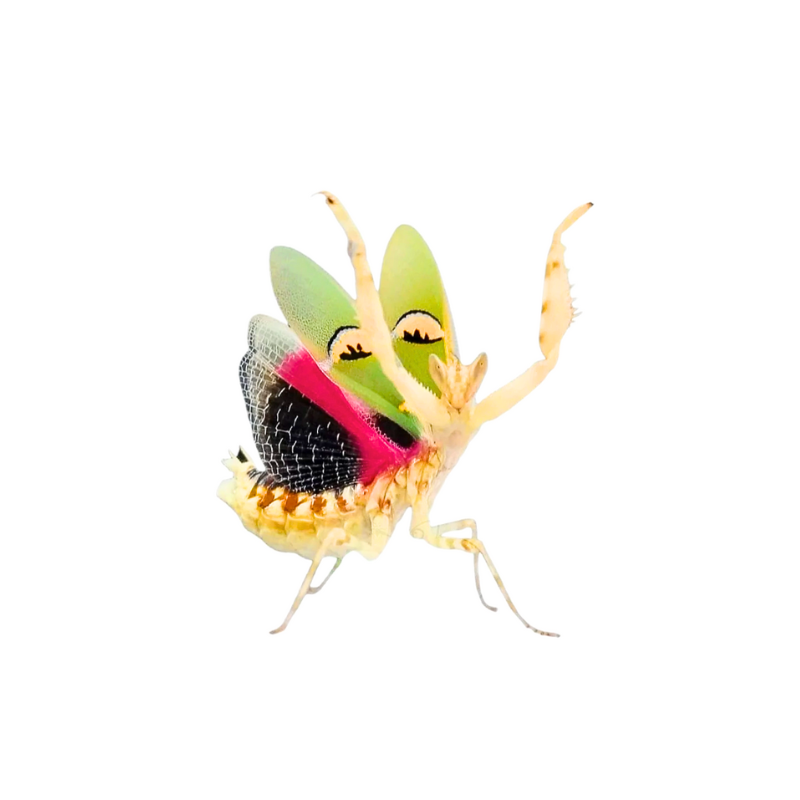
Heterochaeta orientalis

ENVIRONMENT
Core care conditions
Use these ranges as a starting point and adjust for life stage, enclosure ventilation and observed behaviour.
HUSBANDRY OVERVIEW
At a glance
- Taxonomic group
- Insecta
- Origin
- East and West Africa
- Lifestyle
- Arboreal / Stick mimicry (perched vertically on branches or twigs)
- Adult size (body / total length)
- 12-20 cm
- Temperament
- Generally docile, slow-moving stick mimics
- Experience level
- Intermediate
- Visibility
- Moderate (expert camouflage as dry sticks/twigs)
- Burrowing
- Does not burrow
- Growth rate
- Moderate
CARE NOTES
Keeping considerations
This species needs space — cramped enclosures lead to failed moults. Avoid over-humidifying adults; they are dry-adapted once past L4. They are highly visual hunters — movement triggers feeding. Adults are powerful flyers; ensure enclosures are secure. Not recommended for small feeder insects past mid-instar.
PRACTICAL HUSBANDRY
Day-to-day care
Diet & prey
Flying insects such as flies, moths, and appropriate-sized winged prey
Feeding
Feed regularly based on abdomen condition; offer active flying prey that matches their impressive length
Enclosure
Tall vertical arboreal enclosure to accommodate their exceptional length (minimum height should be 4× their length) with a secure mesh top for moulting
Substrate
Paper towel or light coconut fibre
Ventilation
High ventilation to keep air moving and prevent stagnant humidity
Hydration & misting
Light regular misting every few days allowing droplets to form for drinking
Handling
Calm and docile due to their stick-mimic nature, but should be handled carefully given their large size
Sex differences
Females are significantly larger and longer (up to 20 cm); males are more slender and slightly smaller (12–15 cm)
IMPORTANT CONSIDERATIONS
Keeper notes
Large and striking, but delicate during moulting phases; requires proper vertical clearance to avoid mis-moults
BREEDING & LIFE CYCLE
Breeding notes
Can tolerate shared setups better than most species if well-fed, but monitor closely; females lay oothecae on vertical surfaces which require warm, stable incubation
SOURCES & FURTHER READING
Check the references
Care can vary by species, life stage and local conditions. Review multiple reputable sources before making husbandry decisions.
Last reviewed:
KEEP EXPLORING
More mantids
Related completed care guides from the mantids library.