SPECIES CARE GUIDE
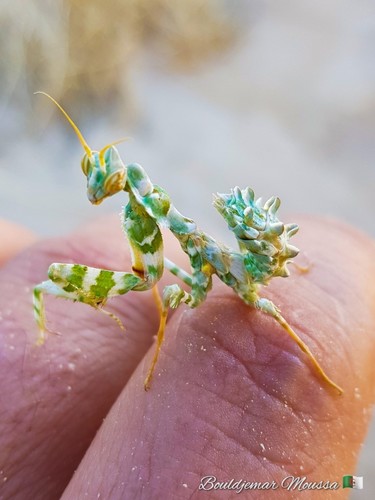
Egyptian Mantis
Miomantis paykullii
ENVIRONMENT
Core care conditions
Use these ranges as a starting point and adjust for life stage, enclosure ventilation and observed behaviour.
HUSBANDRY OVERVIEW
At a glance
- Taxonomic group
- Insecta
- Origin
- North / East Africa
- Lifestyle
- Small to medium arboreal mantis
- Adult size (body / total length)
- Small to medium mantis
- Temperament
- Active / food responsive
- Experience level
- Beginner+
- Visibility
- Often visible and active
- Burrowing
- Does not burrow; provide perches, foliage and mesh for moulting
- Growth rate
- Fast
CARE NOTES
Keeping considerations
Best available husbandry guidance: warm, well-ventilated general mantis care with light humidity and good access to drinking droplets. Keep vertical, uncluttered moulting space and feed suitably small prey. Use a vertical, well-ventilated enclosure with secure mesh/grippy moulting surfaces, good height, suitable perches and enough clear space for safe ecdysis. Feed by abdomen condition rather than a fixed schedule, remove uneaten prey, and avoid disturbing mantises in premoult or during moulting. Care notes are based on The Mantis Garden guide/source data used with permission plus conservative ArachniDex husbandry wording. Adjust conditions for the individual, enclosure ventilation, room temperature and behaviour.
SOURCES & FURTHER READING
Check the references
Care can vary by species, life stage and local conditions. Review multiple reputable sources before making husbandry decisions.
KEEP EXPLORING
More mantids
Related completed care guides from the mantids library.