SPECIES CARE GUIDE
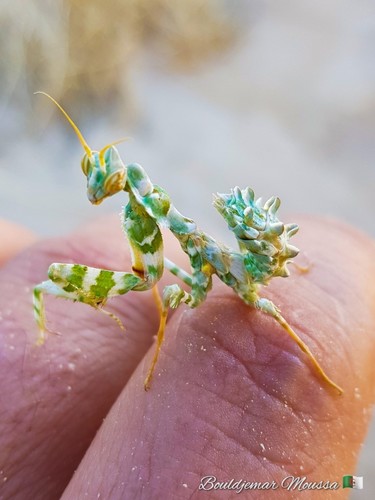
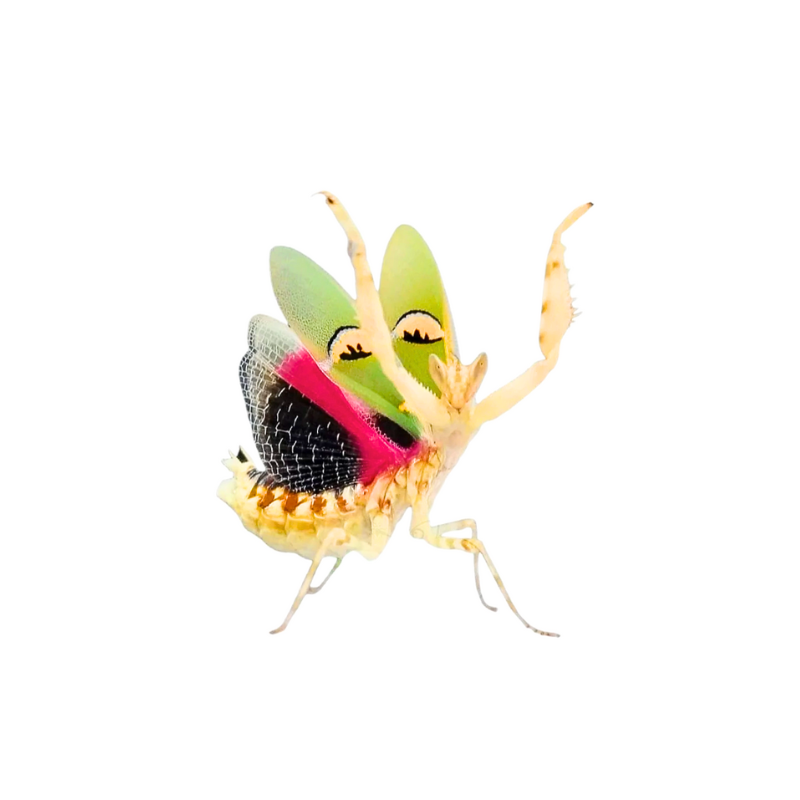
Spiny Flower Mantis
Pseudocreobotra wahlbergi

ENVIRONMENT
Core care conditions
Use these ranges as a starting point and adjust for life stage, enclosure ventilation and observed behaviour.
HUSBANDRY OVERVIEW
At a glance
- Taxonomic group
- Insecta
- Origin
- Southern and Eastern African lowlands, savannas, and scrublands
- Lifestyle
- Small flower-mimic arboreal mantis
- Adult size (body / total length)
- 3–5 cm
- Temperament
- Calm but alert / visual ambush predator
- Experience level
- Intermediate
- Visibility
- Often perches among flowers/foliage
- Burrowing
- Does not burrow; provide airy vertical setup, flowers/foliage and mesh for moulting
- Growth rate
- Medium
CARE NOTES
Keeping considerations
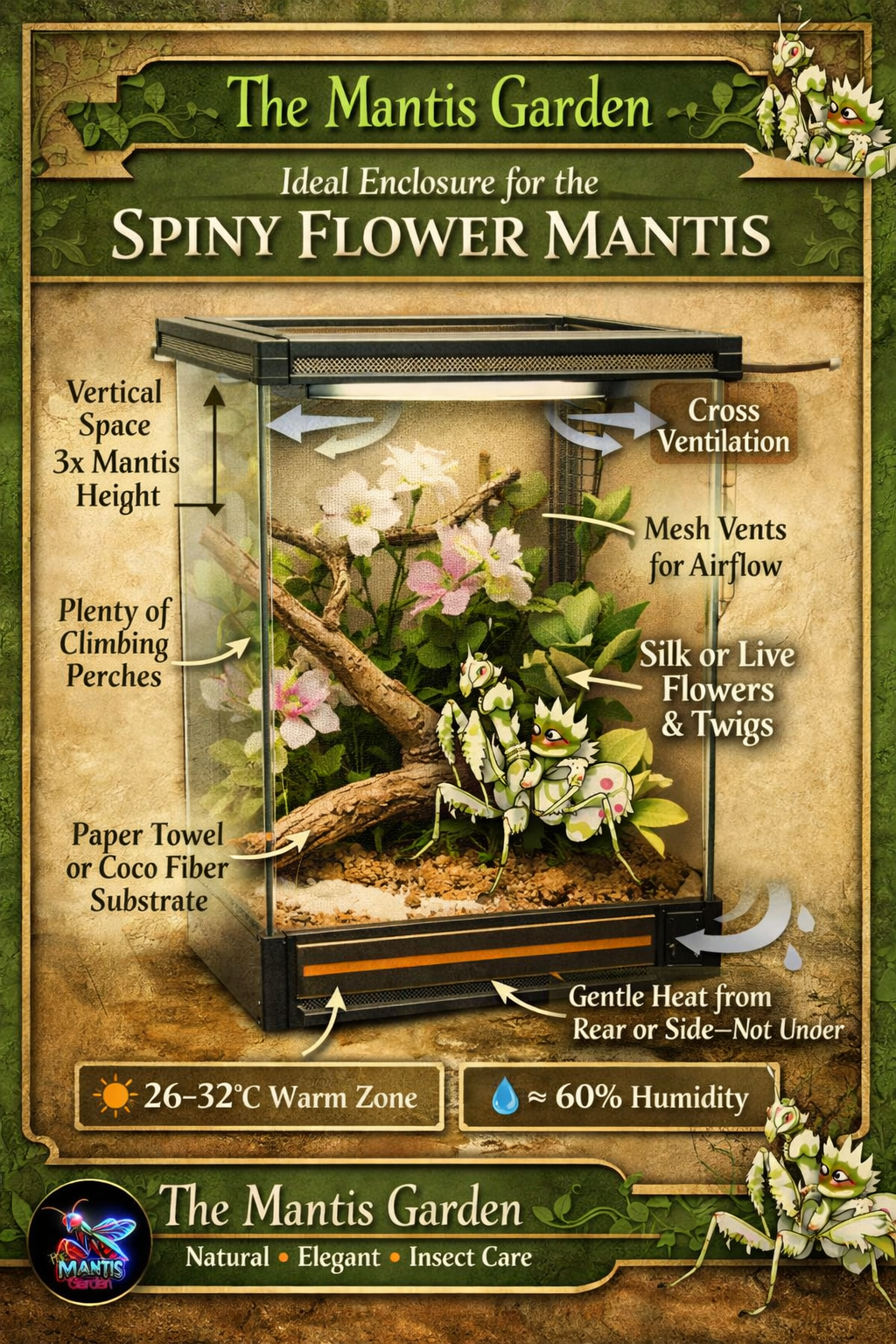
Maintain an airy vertical setup with silk flowers or branches for ambush hunting (15×15×20 cm for adults) and high cross-ventilation to prevent mold. Keep temperatures between 26°C and 32°C, mist lightly every 2 to 3 days to achieve ~60% humidity, and feed active pollinator-type prey like flies or moths every 2 to 3 days.
PRACTICAL HUSBANDRY
Day-to-day care
Diet & prey
Visual ambush predator; thrives on active, pollinator-type prey like flies, moths, and micro-roaches.
Feeding
Thrives on active, pollinator-type prey like flies, moths, and micro-roaches. Feed every 2 to 3 days depending on age and abdomen condition, and remove uneaten prey promptly.
Enclosure
Vertical orientation is essential for safe moulting. Nymphs need ~10×10×15 cm; subadults/adults need a minimum of 15×15×20 cm. Equip with silk flowers, thin branches, or light-coloured décor to facilitate ambush hunting.
Substrate
Paper towel or a light layer of coconut fibre. Spot clean weekly and replace substrate every 2–3 weeks to prevent bacterial issues.
Ventilation
Maintain high cross-ventilation or mesh setups to ensure air doesn't stagnate, which is crucial for preventing mold and supporting healthy molts.
Hydration & misting
Light mist every 2 to 3 days
Handling
Pseudocreobotra wahlbergii can be high-strung, especially as subadults or adults. Best kept as an observation-only display mantis rather than one for frequent handling, to prevent accidental falls or stress.
Sex differences
Females have a broader abdomen with six visible sternites and are noticeably larger (up to 5 cm) with stouter spines. Males are more slender, typically smaller (around 3 to 4 cm), and possess longer antennae.
IMPORTANT CONSIDERATIONS
Keeper notes
Highly territorial towards conspecifics—cannibalism is very common if housed together past the early nymph stages. Always keep them individually once they outgrow communal setup phases.
BREEDING & LIFE CYCLE
Breeding notes
Requires careful pairing due to high female aggression. After mating, females deposit oothecae on vertical branches or enclosure walls. Incubation requires warm temperatures (26–32°C) and moderate humidity; nymphs emerge after several weeks and must be separated promptly to prevent cannibalism.
POSTERS & RESOURCES
Contributor resources
SOURCES & FURTHER READING
Check the references
Care can vary by species, life stage and local conditions. Review multiple reputable sources before making husbandry decisions.
Last reviewed:
KEEP EXPLORING
More mantids
Related completed care guides from the mantids library.