
Female
Usually six underside segments. Adult females are often broader, with shorter wings that do not extend beyond the abdomen.
MANTIS KEEPER SKILL
A practical guide to abdominal segment counting and the adult differences in wings, antennae and build. The exact look varies by species, so use several signs together.
WHAT TO CHECK
For many mantises, females have six visible abdominal segments and males have eight. Count from the underside, not the back, and use a calm, well-lit view—never restrain or stress a newly moulted mantis.
Usually six underside segments. Adult females are often broader, with shorter wings that do not extend beyond the abdomen.
Usually eight underside segments. Adult males are often slimmer, with longer antennae and wings extending past the abdomen.
Ghost mantises, flower mantises and shield mantises can show much earlier or more striking differences. Compare individuals of the same species and instar.
SPECIES-SPECIFIC EXAMPLES
Mantis sexing becomes easier as the animal grows. These examples show why it is best to combine segment count with the body shape and adult wing proportions of the species you keep.
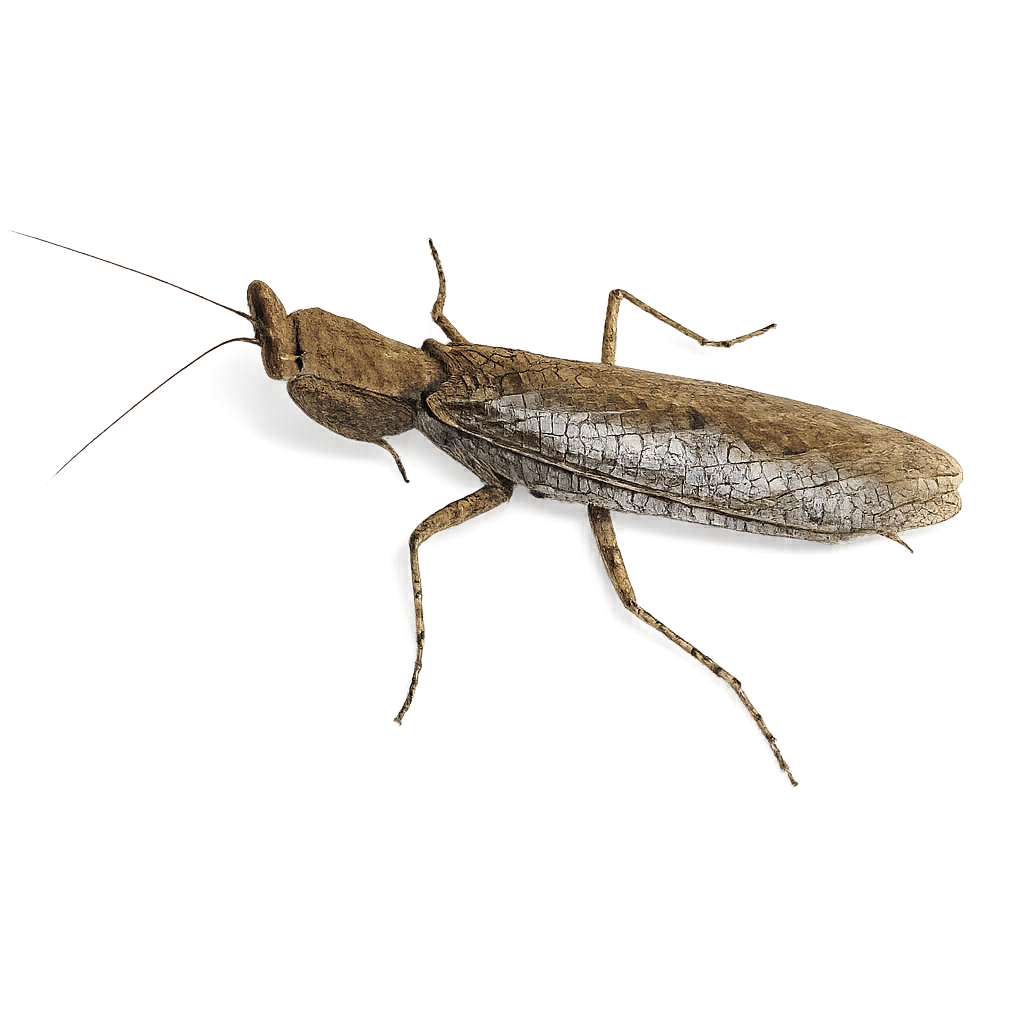

Wing length and body build are adult clues. Segment count is the more consistent first check, while species-specific features—such as the Ghost Mantis head crest—are useful confirmation when you know the species and instar.
KEEP IT SAFE
Use diffuse light and a secure surface. Never flip, pin or handle an animal simply to get a sexing photo.
Use “likely” or “unknown” in the tracker when the evidence is incomplete. A later moult or adult feature can give a better answer.
For a breeding decision, share clear species, stage and multiple angles with an experienced keeper or breeder.
Reference photographs and guidance are credited beside every visual. Open the original source →