SPECIES CARE GUIDE
Greek Ladybird Spider
Eresus walckenaeri

ENVIRONMENT
Core care conditions
Use these ranges as a starting point and adjust for life stage, enclosure ventilation and observed behaviour.
HUSBANDRY OVERVIEW
At a glance
- Taxonomic group
- Arachnida
- Origin
- Eastern Mediterranean: Greece and Turkey
- Lifestyle
- Fossorial
- Adult size (body / total length)
- 2–4 cm
- Temperament
- Calm
- Experience level
- Intermediate
- Visibility
- Mostly hidden
- Burrowing
- Fossorial
- Growth rate
- Slow
- Venom
- Mild
CARE NOTES
Keeping considerations
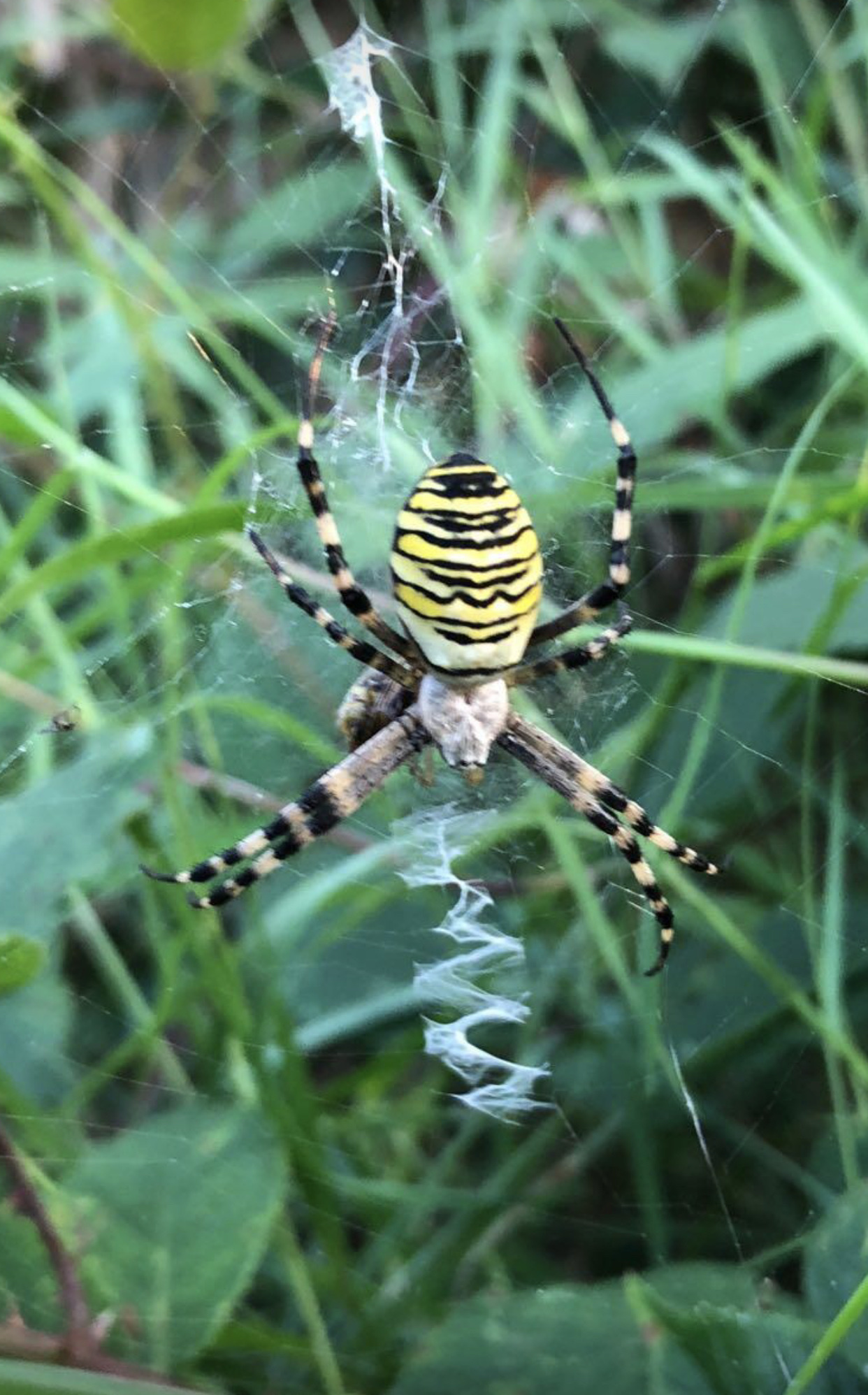
Eresus walckenaeri is a true spider in the velvet-spider family Eresidae, not a tarantula. It inhabits hot, dry, rocky areas of the eastern Mediterranean and spends most of its life inside a deep silk-lined burrow capped by a dense canopy of cribellate silk. A dry, well-ventilated setup is the key to successful care. Give it deep, firm substrate for the burrow and lightweight anchor points for surface webbing. Avoid high humidity, wet substrate and enclosed setups. The spider may remain hidden for long periods; this is normal and the retreat should not be opened to check on it. Adult males are the brightly coloured “ladybird” form commonly pictured, while females are much larger and predominantly black. Feed at the edge of the web so prey vibrations reach the spider without damaging its retreat.
PRACTICAL HUSBANDRY
Day-to-day care
Diet & prey
Appropriately sized crickets, roaches, mealworms and other small ground-dwelling insects. Tiny spiderlings can take fruit flies and micro crickets.
Feeding
Offer spiderlings small prey once or twice weekly and larger juveniles or adults about once weekly. Use prey no larger than the spider’s body and adjust to appetite. Remove uneaten prey within 24 hours, especially while the spider is sealed inside its retreat.
Enclosure
Use a small, secure terrestrial enclosure with excellent cross ventilation. An adult female can be kept in an enclosure around 10 × 10 × 15 cm, with most of the height filled by substrate. Add lightweight twigs, dry leaves or cork fragments at the surface so the spider can anchor its silk canopy.
Substrate
Provide 8–12 cm of dry, compactable soil mixed with sand or clay so the spider can construct a stable silk-lined burrow. Keep the surface dry. Avoid permanently damp coir, wet moss and heavy decorations that could collapse into the tunnel.
Ventilation
Excellent cross ventilation is essential. Provide plentiful small ventilation holes on opposing sides and in the lid. Avoid sealed containers, condensation and stagnant air.
Hydration & misting
Keep the enclosure dry. Most hydration is obtained from appropriately fed prey. If additional water is needed, place an occasional small droplet on the web or enclosure wall and allow it to dry promptly. Do not routinely mist or wet the substrate.
Handling
Do not handle. This is a small, delicate spider that is best observed at its burrow entrance. Use soft tools and a catch cup for rehousing, taking care not to crush or tear open the retreat unnecessarily.
Sex differences
Adult males are much smaller and have a bright orange-red abdomen with black spots, plus pale markings on the legs. Females are larger, stockier and velvety black or dark brown. Juveniles and females can show paler markings, so sex should not be based on colour alone before maturity.
IMPORTANT CONSIDERATIONS
Keeper notes
Very sensitive to excessive moisture and stagnant air. Keep the substrate dry and provide strong ventilation. Although its venom is not considered medically significant, any spider may bite; avoid handling and seek medical advice if a bite causes a severe or unusual reaction.
BREEDING & LIFE CYCLE
Breeding notes
Keep individually. Courtship and mating should be attempted only with mature specimens under close observation. Females guard the egg sac in the burrow; the young remain with the mother and eventually consume her as part of the natural maternal cycle.
SOURCES & FURTHER READING
Check the references
Care can vary by species, life stage and local conditions. Review multiple reputable sources before making husbandry decisions.
KEEP EXPLORING
More true spiders
Related completed care guides from the true spiders library.