SPECIES CARE GUIDE
Lam Dong Earth Tiger
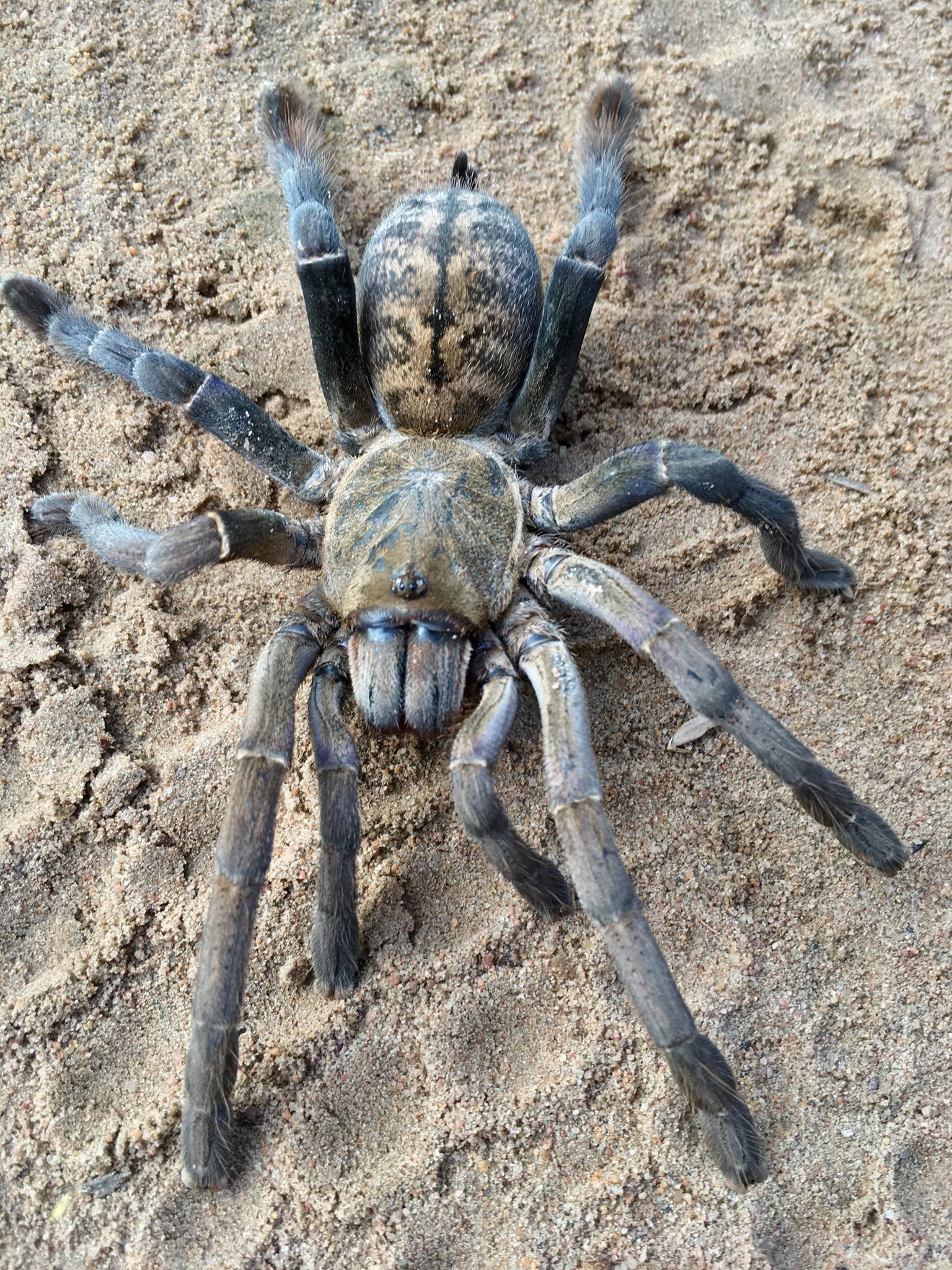
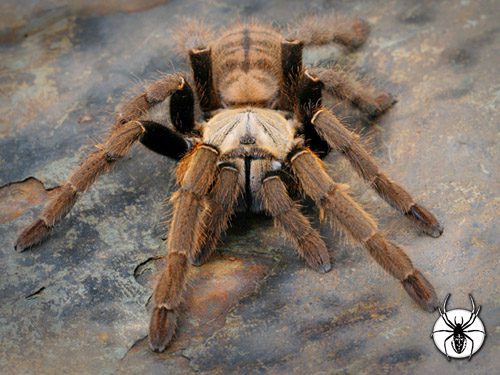
Cyriopagopus sp. “Lam Dong”

ENVIRONMENT
Core care conditions
Use these ranges as a starting point and adjust for life stage, enclosure ventilation and observed behaviour.
HUSBANDRY OVERVIEW
At a glance
- Taxonomic group
- Arachnida
- Origin
- Vietnam; traded as the Lam Dong locality form.
- Lifestyle
- Fossorial
- Adult size (body / total length)
- 6–7 cm
- Temperament
- Very defensive
- Experience level
- Advanced
- Visibility
- Mostly hidden
- Burrowing
- Fossorial
- Growth rate
- Fast
- Urticating hairs
- No
- Venom
- Potent
- Tarantula region
- Old World
CARE NOTES
Keeping considerations
Cyriopagopus sp. “Lam Dong” is a Vietnamese hobby locality name, not a formally established species identification. Retain its locality label and provenance rather than assuming it is identical to Bach Ma or another earth tiger. Provide a deep, stable burrow, moisture in the lower substrate, fresh water and good airflow. A hidden spider is normal: expect most activity around the burrow mouth after dark. Do not remove its retreat to increase visibility. Published seller temperatures differ: The Spider Shop lists 18–22°C, while ArgiopeTerra lists 22–26°C. The 20–24°C range here is a cautious husbandry starting point, not a proven species optimum. Avoid hot spots and sustained high temperatures. Humidity figures are approximate guides, not a reason to soak the enclosure. Adult size and lifespan records are sparse. The 6–7 cm figure is reported female body length, not leg span. Enclosure, feeding and moisture advice here combines available locality information with general fossorial Asian tarantula husbandry; refine it as verified keeper records become available.
PRACTICAL HUSBANDRY
Day-to-day care
Diet & prey
Appropriately sized captive-bred crickets, roaches and locusts; small pre-killed insects for tiny spiderlings.
Feeding
As a starting point, offer spiderlings a small meal every 4–7 days, juveniles weekly and adults every 10–14 days. Adjust to abdomen condition and appetite rather than a fixed schedule. Remove uneaten live prey within 24 hours. Stop feeding during premoult; resume only when the fangs have hardened after moulting.
Enclosure
Use a secure, well-ventilated burrowing enclosure with a lockable lid. For a grown female, approximately 30 × 30 cm floor space with enough height for 20–25 cm of substrate is a practical starting point, scaled to the actual spider. Keep the remaining fall distance low. Provide cork bark over a starter burrow and a shallow water dish. Smaller spiders need proportionately sized, escape-proof tubs with ample digging depth.
Substrate
Use a pesticide- and fertiliser-free soil/coir blend that holds a stable tunnel; pack it gently. Aim for 20–25 cm depth for a grown female where possible, with proportionately deep substrate for juveniles. Maintain slightly damp lower layers with a drier surface area. Avoid saturated, muddy or constantly drying substrate.
Ventilation
Provide cross ventilation above the substrate and a ventilated lid, with holes too small for the spider to escape. Retain moisture through substrate depth rather than sealing the enclosure. Persistent condensation or a stale smell indicates excess moisture or insufficient airflow.
Hydration & misting
Keep a clean shallow water dish available whenever enclosure size permits. Slowly add water to a corner to maintain moisture in the lower substrate without flooding the burrow. For tiny spiderlings, provide small droplets on the enclosure wall as needed. Routine heavy spraying is unnecessary; never spray the spider directly.
Handling
Observation only; do not handle. Carry out maintenance with long tools while keeping hands away from the burrow entrance. Rehouse inside a larger escape-resistant container using a catch cup, with a clear plan before opening the enclosure.
Sex differences
Mature males are generally more slender and leggy than females and may wander in search of a mate. Juvenile colour and size do not reliably establish sex. Confirm from a suitable moult or mature sexual structures; locality-specific adult measurements remain poorly documented.
IMPORTANT CONSIDERATIONS
Keeper notes
Very fast and defensive when disturbed. No urticating hairs, but a bite from an Asian earth tiger should be treated as potentially serious; species-specific venom data are limited. Avoid handling and prevent escapes. Never dig out a sealed burrow merely to check on the spider, and keep live prey away during moulting.
BREEDING & LIFE CYCLE
Breeding notes
Keep individually. Breeding is for experienced keepers, with a verified mature pair of the same locality form and close supervision because cannibalism is possible. Reliable species-specific incubation and egg-sac data are limited; do not mix Lam Dong with other locality forms.
SOURCES & FURTHER READING
Check the references
Care can vary by species, life stage and local conditions. Review multiple reputable sources before making husbandry decisions.
KEEP EXPLORING
More Cyriopagopus
Other completed care guides from the same scientific genus.