SPECIES CARE GUIDE
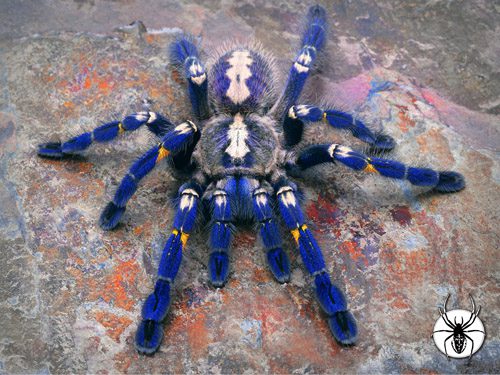
Lowland Ivory Ornamental
Poecilotheria subfusca (lowland form)

ENVIRONMENT
Core care conditions
Use these ranges as a starting point and adjust for life stage, enclosure ventilation and observed behaviour.
HUSBANDRY OVERVIEW
At a glance
- Taxonomic group
- Arachnida
- Origin
- Sri Lanka
- Lifestyle
- Arboreal
- Adult size (diagonal leg span)
- 15–17 cm
- Temperament
- Defensive
- Experience level
- Advanced
- Visibility
- Mostly hidden
- Burrowing
- Does not burrow
- Growth rate
- Fast
- Urticating hairs
- No
- Venom
- Medically significant
- Tarantula region
- Old World
CARE NOTES
Keeping considerations
The Lowland Ivory Ornamental is a larger form sold in the hobby under Poecilotheria subfusca. The lowland/highland labels refer to husbandry and appearance traditions rather than currently accepted separate taxonomic species; Poecilotheria bara is a junior synonym. This form may differ from highland specimens in size and pattern, but appearance alone should not be treated as a definitive identification. Provide vertical cork retreats and a stable, well-ventilated enclosure, with moderate moisture and a water dish. Do not overheat or maintain constantly wet conditions. Keep individually unless a specialist breeding programme has carefully assessed risks.
PRACTICAL HUSBANDRY
Day-to-day care
Diet & prey
Appropriately sized live crickets, roaches and locusts; small insects or pre-killed prey for small slings.
Feeding
Offer suitable prey about every 5–7 days to growing juveniles and every 10–14 days to adults, adjusting to body condition and appetite. Remove uneaten prey promptly, particularly before and after moulting. Resume feeding only when the new fangs are hardened.
Enclosure
Secure vertical arboreal enclosure with an upright cork tube or bark slab, sturdy climbing surfaces, foliage and a water dish. An adult guideline is about 30 × 30 × 45 cm (W × D × H), with a safe front-opening access arrangement for no-contact maintenance.
Substrate
Approximately 5–8 cm of coco fibre and organic topsoil, with one lightly moist section and a drier surface. Avoid saturated or mouldy substrate.
Ventilation
Provide ample cross-ventilation and upper air exchange. Moisture should not produce stale air or persistent condensation; humidity is a guide, not a reason to seal the enclosure.
Hydration & misting
Provide fresh water at all times. Lightly dampen a substrate corner or occasionally mist foliage as required by drying conditions. Allow drying between applications and do not spray the spider directly.
Handling
Do not handle. Extremely rapid and capable of defensive responses. Use a catch cup and long tools for maintenance and prepare rehousing equipment before opening the enclosure.
Sex differences
Mature males are generally slimmer and shorter-lived, with modified palps; adult females are more robust and longer-lived. Sex reliably from a suitable moult where possible.
ENCLOSURE EXAMPLE · AD · AFFILIATE LINK
Recommended arboreal enclosure
Such as The Spider Shop Acrylic Arboreal Terrarium ↗
An example with size options. Check the selected size, ventilation and security against this species and life stage.
IMPORTANT CONSIDERATIONS
Keeper notes
Advanced Old World arboreal tarantula. No urticating hairs, but venom is medically significant and a bite may cause severe pain and systemic symptoms. Avoid direct contact. Source captive-bred individuals with clear provenance; do not confuse the hobby lowland label with a formally recognised separate species.
SOURCES & FURTHER READING
Check the references
Care can vary by species, life stage and local conditions. Review multiple reputable sources before making husbandry decisions.
KEEP EXPLORING
More Poecilotheria
Other completed care guides from the same scientific genus.