SPECIES CARE GUIDE
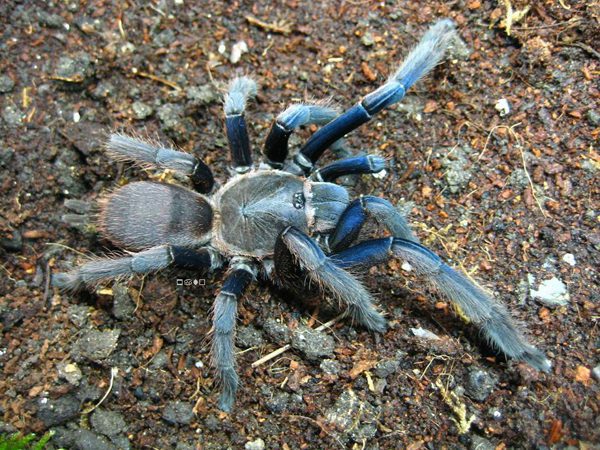
South Thailand Blue Earth Tiger
Chilobrachys sp. "South Thailand Blue"

ENVIRONMENT
Core care conditions
Use these ranges as a starting point and adjust for life stage, enclosure ventilation and observed behaviour.
HUSBANDRY OVERVIEW
At a glance
- Taxonomic group
- Arachnida
- Origin
- Thailand (trade locality; exact taxonomic identity not formally established)
- Lifestyle
- Fossorial / rock-crevice burrower; heavy webber
- Adult size (diagonal leg span)
- Around 17 cm (supplier estimate)
- Temperament
- Fast; defensive if disturbed
- Experience level
- Advanced; display species only
- Visibility
- Often hidden in a deep retreat or webbed crevice
- Burrowing
- Provide deep, compactable substrate and a starter retreat; include secure anchor points
- Growth rate
- Limited species-specific captive data
- Urticating hairs
- No
- Venom
- Old World tarantula; avoid handling and treat bites as medically significant
CARE NOTES
Keeping considerations
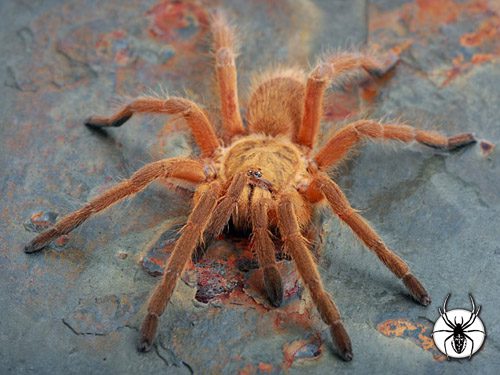
Keep this trade form separate from Chilobrachys natanicharum (Electric Blue Earth Tiger): the Spider Shop specifically notes that South Thailand Blue is not closely related to its Electric Blue listing. It is an undescribed trade-name tarantula, so its exact taxonomic identity remains uncertain. The supplier reports Thailand, 24–26°C, 80–90% humidity and an estimated 17 cm leg span. It describes animals using deep holes and rock caves in shaded, overgrown habitat. Provide a secure, well-ventilated terrestrial/fossorial enclosure with deep, compactable substrate, a retreat or starter burrow, web anchors, water and a moisture gradient. This is a fast Old World species; avoid handling.
SOURCES & FURTHER READING
Check the references
Care can vary by species, life stage and local conditions. Review multiple reputable sources before making husbandry decisions.
KEEP EXPLORING
More Chilobrachys
Other completed care guides from the same scientific genus.