SPECIES CARE GUIDE
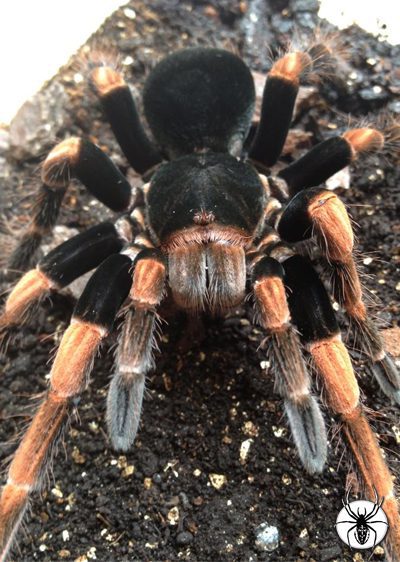
Dictator Baboon Tarantula
Harpactira dictator

ENVIRONMENT
Core care conditions
Use these ranges as a starting point and adjust for life stage, enclosure ventilation and observed behaviour.
HUSBANDRY OVERVIEW
At a glance
- Taxonomic group
- Arachnida
- Origin
- South Africa
- Lifestyle
- Terrestrial / burrowing
- Adult size (diagonal leg span)
- Size estimates vary; check the individual animal
- Temperament
- Defensive and quick when disturbed
- Experience level
- Experienced keepers
- Visibility
- Often hidden in a burrow or retreat
- Burrowing
- Yes; provide deep, stable substrate
- Growth rate
- Not reliably documented
- Urticating hairs
- No
- Venom
- Medically significant bite possible; avoid handling
- Tarantula region
- Old World
CARE NOTES
Keeping considerations
A South African Harpactira sold as the Dictator Baboon or The Mugabe. Provide a secure low terrestrial enclosure, a deep stable substrate layer, a cork hide, a water dish and good airflow. Keep the surface generally drier than tropical Asian earth tiger setups. Avoid handling.
PRACTICAL HUSBANDRY
Day-to-day care
Diet & prey
Offer appropriately sized captive-bred invertebrate prey such as roaches, crickets or locusts. Use smaller prey for slings; remove leftovers.
Feeding
Offer slings suitable prey about weekly and older spiders less often according to body condition. Stop offering prey during premoult and wait until the fangs harden after a moult.
Enclosure
House singly in a secure, escape-proof terrestrial enclosure with generous floor space, deep substrate, a starter burrow or cork hide and a water dish. Keep climbing height low.
Substrate
Give a deep layer of compacted, fertiliser-free soil or soil/coir for a stable retreat. Keep the upper layer mostly dry with an optional slightly moist lower corner.
Ventilation
Provide good airflow. Avoid a sealed, persistently damp enclosure.
Hydration & misting
Provide a water dish and a modest moisture gradient rather than soaking the whole enclosure.
Handling
Do not handle. These fast Old World tarantulas can bolt or defend their burrows; use a catch cup and plan a clear escape-free transfer.
DETAILED GUIDE
A secure burrowing home
House alone in a low, secure enclosure with a stable cork shelter and enough compacted substrate to excavate a retreat. Minimise hard fall hazards.
Moisture and ventilation
Keep water available and a moisture choice, but avoid a persistently wet substrate or stagnant air. Observe the animal and adjust for the room and enclosure.
Feeding and moulting
Offer suitably sized insects near the retreat and remove leftovers. A sealed burrow and food refusal may precede a moult; do not excavate it to check.
IMPORTANT CONSIDERATIONS
Keeper notes
Fast, defensive Old World tarantula without urticating hairs. A bite may be medically significant. Keep singly, secure the lid, and avoid disturbing the spider during moulting.
SOURCES & FURTHER READING
Check the references
Care can vary by species, life stage and local conditions. Review multiple reputable sources before making husbandry decisions.
Last reviewed:
KEEP EXPLORING
More Harpactira
Other completed care guides from the same scientific genus.