SPECIES CARE GUIDE
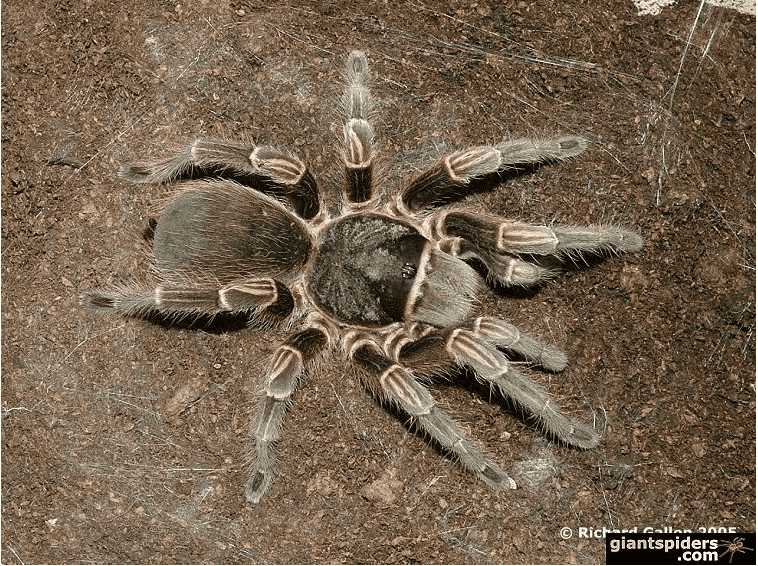
Gold Zebra Beauty
Eupalaestrus larae
ENVIRONMENT
Core care conditions
Use these ranges as a starting point and adjust for life stage, enclosure ventilation and observed behaviour.
HUSBANDRY OVERVIEW
At a glance
- Taxonomic group
- Arachnida
- Origin
- Argentina
- Lifestyle
- Terrestrial
- Adult size (diagonal leg span)
- 13–15 cm
- Temperament
- Docile
- Experience level
- Beginner
- Visibility
- Often visible
- Burrowing
- May burrow
- Growth rate
- Slow
- Urticating hairs
- Yes
- Venom
- Mild
- Tarantula region
- New World
- Male lifespan
- 4–6 years
- Female lifespan
- 15–20 years
CARE NOTES
Keeping considerations
Enclosure: Terrestrial setup featuring a low horizontal footprint with plenty of floor space to roam. Substrate: 5–10 cm of a soil and coco coir mix. Keep it mostly dry overall, but you can overflow one corner of the enclosure near the water dish occasionally. Provide a secure hide like a piece of cork bark to make them feel at home. Ventilation: Good cross-ventilation is a must—nobody likes a swampy, stagnant setup, and Eupalaestrus larae prefers things on the drier side. Feeding Notes: Feed juveniles weekly and adults every 1–2 weeks with appropriately sized prey like crickets, roaches, or locusts. They are reliable eaters, but remember their growth rate is painfully slow—so pack plenty of patience while waiting for them to size up!
PRACTICAL HUSBANDRY
Day-to-day care
Diet & prey
Crickets, roaches, and locusts
Feeding
Juveniles weekly; adults every 1–2 weeks
Enclosure
Terrestrial, low horizontal footprint with good floor space
Substrate
5–10 cm of soil/coco coir mix with a secure hide (like cork bark)
Ventilation
Good cross-ventilation to prevent stagnant air
Hydration & misting
Large, shallow water dish with occasional light corner overflow; keep the surface mostly dry
Handling
Very calm and generally tolerant, though handling is always at the spider's discretion
Sex differences
Females are noticeably bulkier and longer-lived; males are slender with tibial hooks at maturity
IMPORTANT CONSIDERATIONS
Keeper notes
Painfully slow growth rate—patience is a virtue here. Avoid swampy, poorly ventilated setups; they prefer it on the drier side.
BREEDING & LIFE CYCLE
Breeding notes
Native to the Gran Chaco region; care parallels other hardy South American grassland species like [Grammostola pulchripes].
SOURCES & FURTHER READING
Check the references
Care can vary by species, life stage and local conditions. Review multiple reputable sources before making husbandry decisions.
Last reviewed:
KEEP EXPLORING
More tarantulas
Related completed care guides from the tarantulas library.