SPECIES CARE GUIDE
Golden Red Rump Tarantula
Brachypelma albiceps

ENVIRONMENT
Core care conditions
Use these ranges as a starting point and adjust for life stage, enclosure ventilation and observed behaviour.
HUSBANDRY OVERVIEW
At a glance
- Taxonomic group
- Arachnida
- Origin
- Central Mexico
- Lifestyle
- Terrestrial / burrower
- Adult size (diagonal leg span)
- Around 15 cm
- Temperament
- Usually calm; may retreat or kick hairs when disturbed
- Experience level
- Beginner, with gentle no-handling husbandry
- Visibility
- Adults may be visible; spiderlings often shelter or burrow
- Burrowing
- Provide a hide and deep substrate for digging
- Growth rate
- Slow
- Urticating hairs
- Yes
- Venom
- Mild compared with many Old World species; bites still require care
- Tarantula region
- New World
CARE NOTES
Keeping considerations
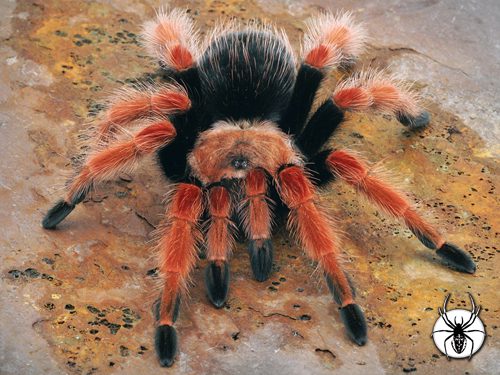
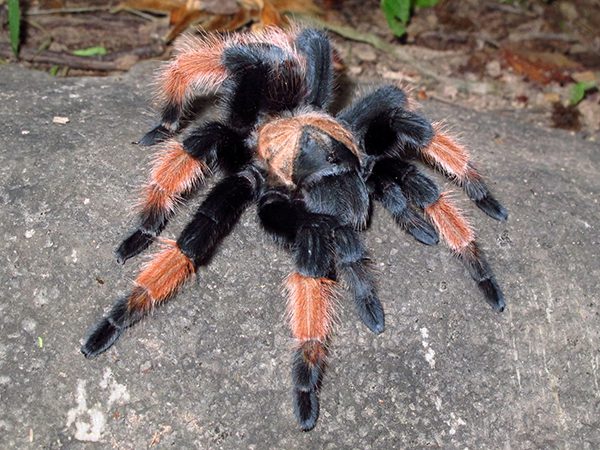
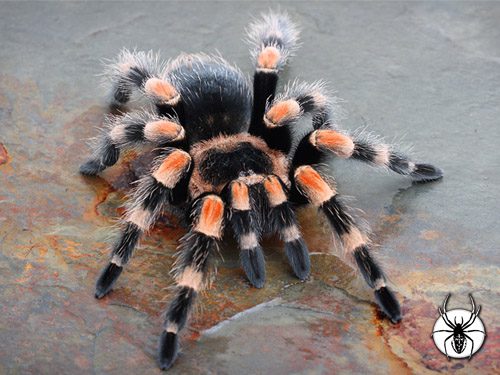
A Mexican terrestrial tarantula with a pale golden carapace and red rump. Give it floor space, deep stable substrate, a hide, water and a short fall distance. Unlike some drier Brachypelma setups, allow a slightly moist lower area while keeping the surface from staying wet. Feed according to life stage and body condition, and avoid routine handling or disturbance during moulting.
PRACTICAL HUSBANDRY
Day-to-day care
Diet & prey
Appropriately sized captive-bred crickets, roaches or locusts; tiny slings may take small or pre-killed prey. Avoid wild-caught insects and vertebrate prey.
Feeding
Small slings can be offered suitable prey every 4–7 days; juveniles roughly weekly and adults less often, often every 1–2 weeks or longer according to body condition. Remove uneaten prey, especially before moulting, and wait for hardened fangs after a moult.
Enclosure
House singly in a secure, low terrestrial enclosure with more floor space than height, a stable cork hide and a shallow water dish. Start slings in smaller housing and increase it gradually. Avoid hard fall hazards.
Substrate
Provide a generous layer of compacted fertiliser-free soil or soil/coir mix that supports a burrow and limits fall distance. Keep most of the surface dry with one slightly moister area below.
Ventilation
Provide good airflow; avoid a sealed, permanently wet enclosure.
Hydration & misting
Keep fresh water available. Moisten one corner occasionally if needed, allowing the rest of the substrate to remain drier; do not spray the spider directly.
Handling
Best observed rather than handled. A fall can injure a heavy terrestrial tarantula, and kicked urticating hairs can irritate skin and eyes. Use a catch cup for transfers.
DETAILED GUIDE
Build a low terrestrial home
Give this species a broad base, deep compacted substrate and a secure cork retreat. Keep open height short and heavy decor stable so a climb or burrow cannot cause a fall or collapse. A smaller rearing container works better for a young sling than an empty adult display tank.
Water and substrate
Provide a clean water dish and let one lower area retain slight moisture. The surface need not be wet everywhere; ventilation and a choice of drier and moister zones are more useful than trying to hold one exact humidity reading.
Feeding and moulting
Offer appropriately sized insects according to the spider's age and abdomen, and remove uneaten prey. A food refusal can be normal before a moult. Do not disturb a moulting tarantula or offer prey again until the new exoskeleton and fangs have hardened.
IMPORTANT CONSIDERATIONS
Keeper notes
Even a docile individual can bite or kick hairs. Avoid contact with eyes and wash hands after maintenance. Do not disturb a spider on its back during a moult. Buy captive-bred animals and retain supplier records where required.
SOURCES & FURTHER READING
Check the references
Care can vary by species, life stage and local conditions. Review multiple reputable sources before making husbandry decisions.
KEEP EXPLORING
More Brachypelma
Other completed care guides from the same scientific genus.