SPECIES CARE GUIDE
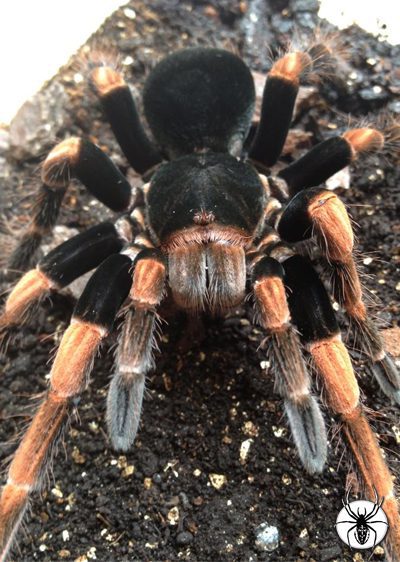
Veronica Dwarf Earth Tiger
Ornithoctoninae sp. “Veronica Dwarf”

ENVIRONMENT
Core care conditions
Use these ranges as a starting point and adjust for life stage, enclosure ventilation and observed behaviour.
HUSBANDRY OVERVIEW
At a glance
- Taxonomic group
- Arachnida
- Lifestyle
- Fossorial
- Adult size (diagonal leg span)
- 8–10 cm
- Temperament
- Fast / defensive
- Experience level
- Advanced
- Visibility
- Rarely visible
- Burrowing
- Yes
- Urticating hairs
- Absent
- Venom
- Medically significant
- Tarantula region
- Old World
CARE NOTES
Keeping considerations
An undescribed dwarf earth tiger kept under a hobby trade name. It spends most of its time inside a deep silk-lined burrow and may remain hidden for long periods. Provide firm, moisture-retentive substrate, a secure starter retreat and strong airflow, then avoid disturbing an established burrow.
PRACTICAL HUSBANDRY
Day-to-day care
Diet & prey
Small roaches, crickets, mealworms and other appropriately sized captive-bred insects
Feeding
Offer slings small prey every few days and larger juveniles or adults about weekly, adjusting for body condition and appetite. Remove uneaten prey within 24 hours and never leave live prey with a moulting spider.
Enclosure
A secure compact fossorial enclosure with generous substrate depth and limited open height. Include a starter burrow beneath cork bark and enough space for safe access to water and feeding.
Substrate
Provide at least 10–15 cm of compactable soil and coco-fibre mix, with greater depth where the enclosure allows. Keep the lower layers slightly moist but never waterlogged.
Ventilation
Use good cross-ventilation while retaining moisture below the surface. Avoid sealed enclosures, persistent condensation and stagnant wet substrate.
Hydration & misting
Provide a small shallow water dish. Add water to one corner as needed to maintain a damp lower layer and a somewhat drier surface.
Handling
Observation only. Despite its small size, this tarantula is extremely fast and defensive. Use long tools, a catch cup and a controlled maintenance area.
IMPORTANT CONSIDERATIONS
Keeper notes
A very fast and defensive Old World fossorial tarantula with no urticating hairs. Treat its venom as medically significant, avoid free-handling and take care when opening the enclosure because it may bolt.
SOURCES & FURTHER READING
Check the references
Care can vary by species, life stage and local conditions. Review multiple reputable sources before making husbandry decisions.
KEEP EXPLORING
More Ornithoctoninae
Other completed care guides from the same scientific genus.