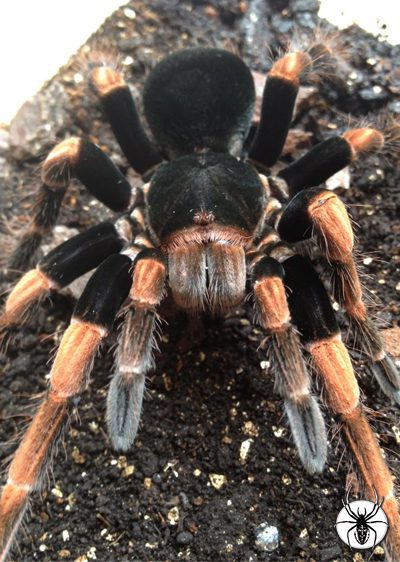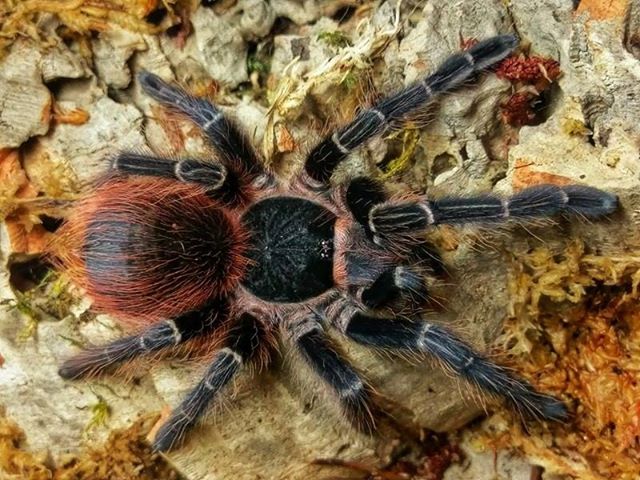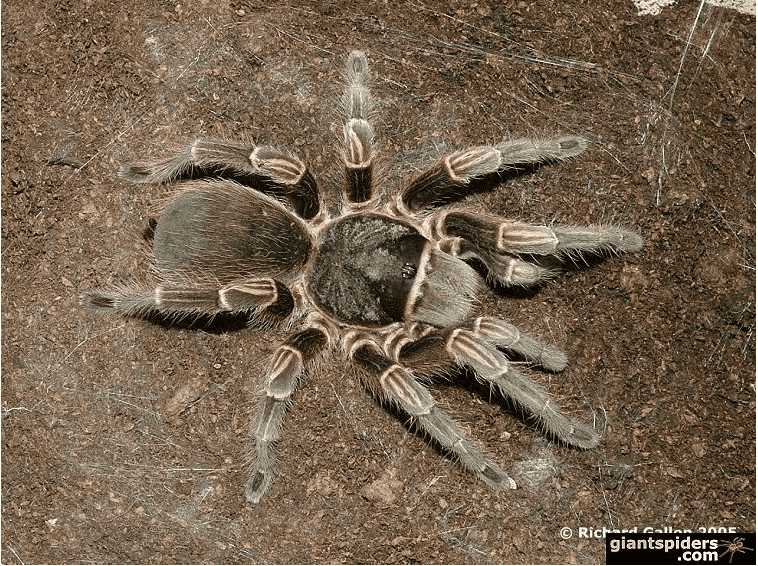
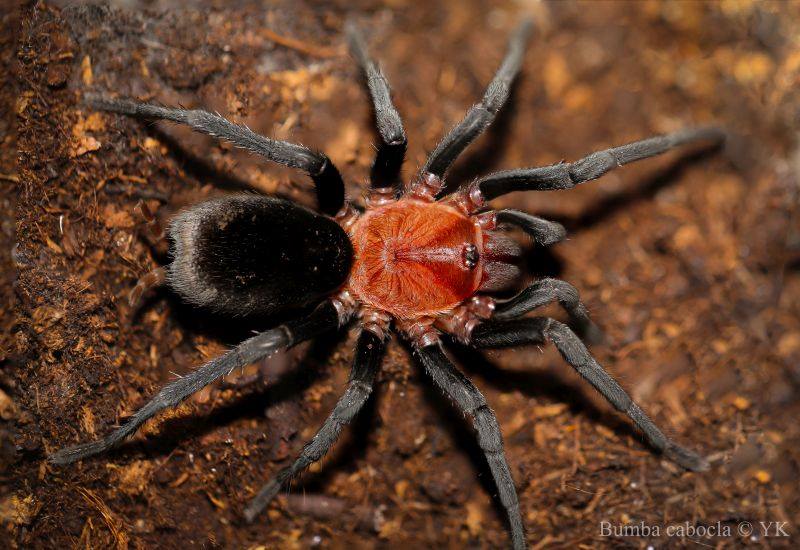
ENVIRONMENT
Core care conditions
Use these ranges as a starting point and adjust for life stage, enclosure ventilation and observed behaviour.
HUSBANDRY OVERVIEW
At a glance
- Taxonomic group
- Arachnida
- Origin
- Brazil
- Lifestyle
- Terrestrial
- Adult size (diagonal leg span)
- 12–15 cm
- Temperament
- Skittish
- Experience level
- Beginner+
- Visibility
- Mostly hidden
- Burrowing
- Opportunistic burrower
- Growth rate
- Slow
- Urticating hairs
- Yes
- Venom
- Mild
- Tarantula region
- New World
- Male lifespan
- 3–4 years
- Female lifespan
- 12–15+ years
CARE NOTES
Keeping considerations
Provide a moisture gradient by keeping one corner or side of the enclosure slightly damp while letting the rest dry out. Ensure a deep, secure substrate layer to accommodate their natural urge to dig and construct burrows.
PRACTICAL HUSBANDRY
Day-to-day care
Diet & prey
Live appropriately-sized insects such as crickets, roaches, and locusts
Feeding
Juveniles weekly; adults every 10–14 days (pre-killed or tiny pre-prey for tiny spiderlings)
Enclosure
Terrestrial setup; a small-to-medium terrarium (e.g., around 30x30x30 cm for an adult) with good cross-ventilation
Substrate
Deep layer (coco fiber, peat, or a burrow-safe soil mix) to allow for natural excavation
Ventilation
Standard terrestrial terrarium ventilation to prevent stagnant air and mold
Hydration & misting
Keep humidity around 70%–80%. Maintain a shallow water dish for adults and keep a portion of the substrate slightly damp (tolerates dry spells well thanks to its native climate's seasonal shifts)
Handling
Observation is recommended over handling due to their skittish nature and urticating hairs
Sex differences
Females grow larger with a heavier body build and live significantly longer; males mature with tibial hooks and distinct sexual dimorphism at ultimate molt.
IMPORTANT CONSIDERATIONS
Keeper notes
Skittish bolter; will readily disappear into burrows or flick hairs if disturbed
BREEDING & LIFE CYCLE
Breeding notes
Mating can occasionally be high-stress as females can display defensive tendencies toward males; successful pairings yield an ootheca roughly 2–3 months later, producing moderate-sized egg sacs containing spiderlings that require standard New World sling rearing.
SOURCES & FURTHER READING
Check the references
Care can vary by species, life stage and local conditions. Review multiple reputable sources before making husbandry decisions.
Last reviewed:
KEEP EXPLORING
More tarantulas
Related completed care guides from the tarantulas library.