SPECIES CARE GUIDE
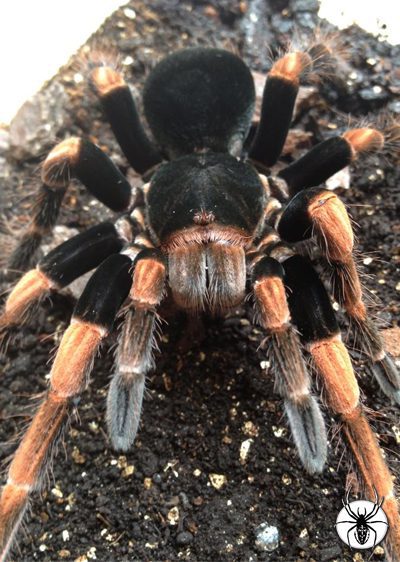
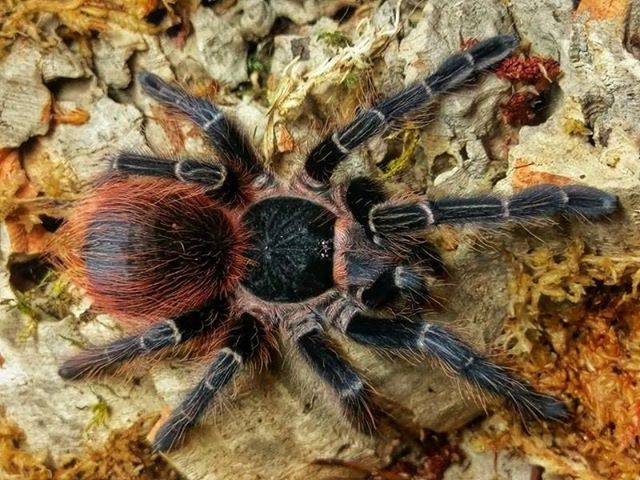
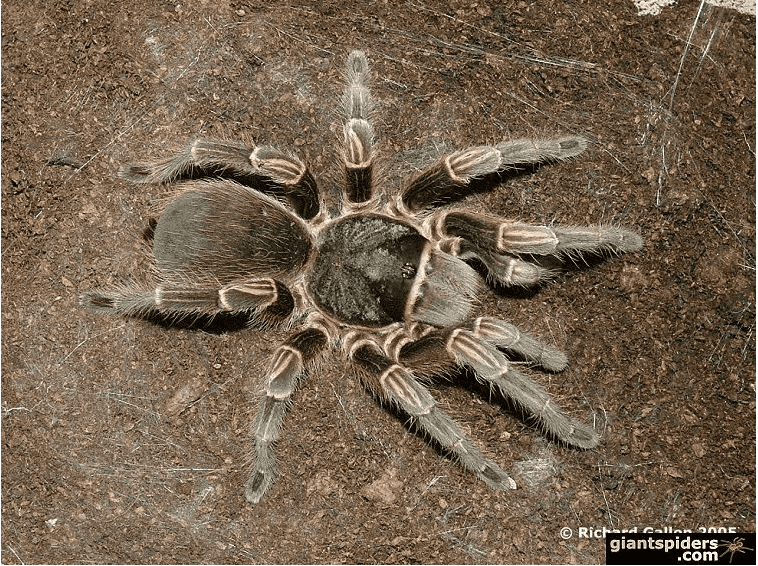
Blue Foot Baboon
Idiothele mira

ENVIRONMENT
Core care conditions
Use these ranges as a starting point and adjust for life stage, enclosure ventilation and observed behaviour.
HUSBANDRY OVERVIEW
At a glance
- Taxonomic group
- Arachnida
- Origin
- South Africa, principally KwaZulu-Natal near Eswatini
- Lifestyle
- Fossorial
- Adult size (diagonal leg span)
- 8–10 cm
- Temperament
- Defensive
- Experience level
- Experienced
- Visibility
- Rarely visible
- Burrowing
- Extensive
- Growth rate
- Fast
- Urticating hairs
- None
- Venom
- Strong
- Tarantula region
- Old World
- Male lifespan
- 3–4 years
- Female lifespan
- 12–15 years
CARE NOTES
Keeping considerations
Provide enough compact substrate for construction of a true hinged trapdoor and silk-lined tunnel. Once established, do not lift the door or excavate the burrow, including during long periods of fasting or premoult.
PRACTICAL HUSBANDRY
Day-to-day care
Diet & prey
Appropriately sized crickets, roaches and locusts; very small prey or pre-killed pieces for slings
Feeding
Feed slings twice weekly, juveniles every 5–7 days and adults every 7–14 days, adjusting to body condition. Place prey near the trapdoor and remove uneaten feeders.
Enclosure
Secure, low fossorial enclosure at least 20 × 20 cm for an adult, filled deeply with substrate and fitted with a water dish
Substrate
15–20 cm of firmly packed, burrow-supporting soil and sand mix, with slightly moist lower layers and a drier surface
Ventilation
Strong cross-ventilation is essential; avoid stagnant air and persistently wet substrate
Hydration & misting
Provide a shallow water dish at all times. Occasionally overflow one corner to maintain a lower moisture gradient; do not soak the enclosure.
Handling
Never handle. This species is fast, defensive and venomous; use a secure catch cup, barriers and long tools for all maintenance and rehousing.
Sex differences
Mature males are slimmer and longer-legged with palpal bulbs; females are more robust and considerably longer-lived.
IMPORTANT CONSIDERATIONS
Keeper notes
Fast Old World species with no urticating hairs and a potentially significant bite. Never open or probe the trapdoor, keep the enclosure escape-proof and use protected maintenance procedures.
BREEDING & LIFE CYCLE
Breeding notes
Captive breeding is established. Pair only under close supervision with an escape route for the male. Maintain stable warmth and moderate moisture afterwards and leave the female and her burrow undisturbed if a sac is produced.
SOURCES & FURTHER READING
Check the references
Care can vary by species, life stage and local conditions. Review multiple reputable sources before making husbandry decisions.
KEEP EXPLORING
More tarantulas
Related completed care guides from the tarantulas library.