SPECIES CARE GUIDE
Dancing Earth Tiger
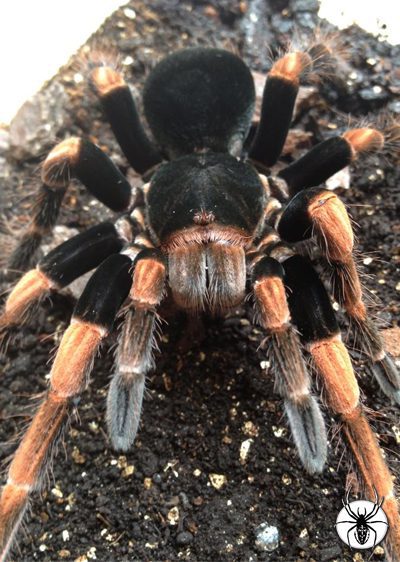
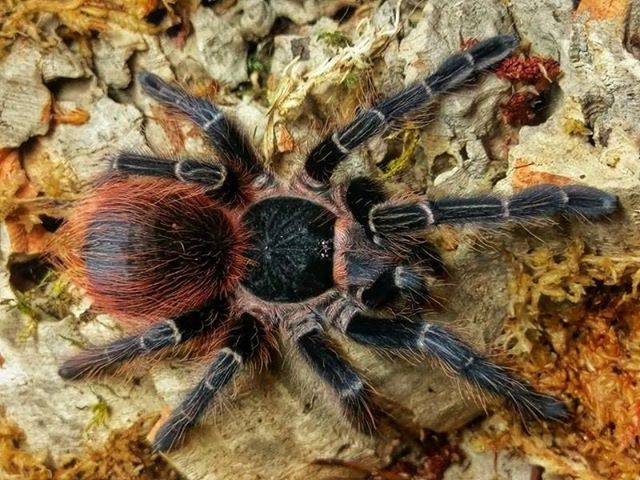
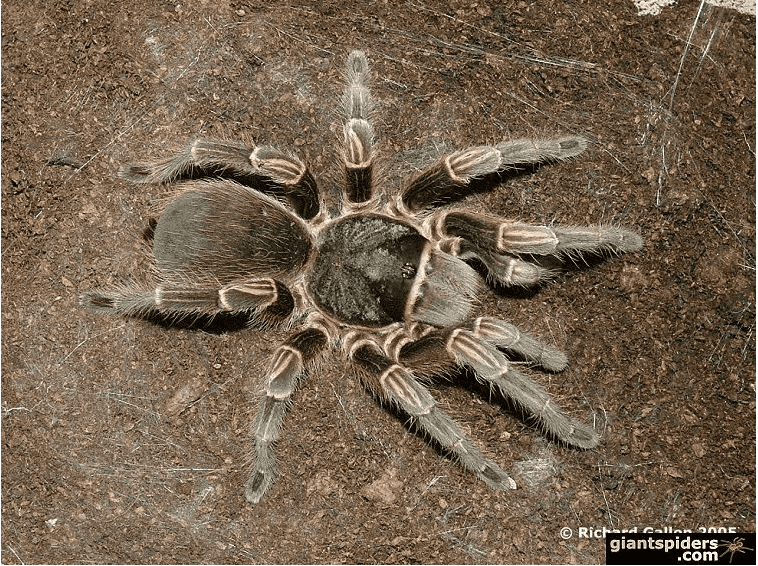
Ornithoctonus sp. "Uthai Thani"

ENVIRONMENT
Core care conditions
Use these ranges as a starting point and adjust for life stage, enclosure ventilation and observed behaviour.
HUSBANDRY OVERVIEW
At a glance
- Taxonomic group
- Arachnida
- Origin
- Thailand (Uthai Thani trade locality)
- Lifestyle
- Fossorial / terrestrial
- Adult size (diagonal leg span)
- Not reliably established for this locality form
- Temperament
- Fast and defensive when disturbed
- Experience level
- Experienced keepers
- Visibility
- Often hidden in a burrow or retreat
- Burrowing
- Yes; provide deep, stable substrate
- Growth rate
- Not reliably documented
- Urticating hairs
- No
- Venom
- Medically significant bite possible; avoid handling
- Tarantula region
- Old World
CARE NOTES
Keeping considerations
This is an Ornithoctonus trade or locality name rather than a formally described species name. Keep it as a fast, solitary Thai burrower in secure housing with deep stable substrate, a hide, a water dish and a moist lower area. Avoid assuming care or adult size from another Ornithoctonus species.
PRACTICAL HUSBANDRY
Day-to-day care
Diet & prey
Offer appropriately sized captive-bred invertebrate prey such as roaches, crickets or locusts. Use smaller prey for slings; remove leftovers.
Feeding
Offer slings suitable prey about weekly and older spiders less often according to body condition. Stop offering prey during premoult and wait until the fangs harden after a moult.
Enclosure
House singly in a secure, escape-proof terrestrial enclosure with generous floor space, deep substrate, a starter burrow or cork hide and a water dish. Keep climbing height low.
Substrate
Provide a deep layer of compacted, fertiliser-free soil or soil/coir mix that can hold a burrow. Avoid loose, collapsing tunnels.
Ventilation
Provide steady cross ventilation while retaining a moist lower substrate zone. Avoid stagnant, saturated air.
Hydration & misting
Keep a clean water dish available. Lightly moisten part of the substrate when needed while allowing a drier surface area; do not drench the entire enclosure.
Handling
Do not handle. These fast Old World tarantulas can bolt or defend their burrows; use a catch cup and plan a clear escape-free transfer.
DETAILED GUIDE
A secure burrowing home
Provide a deep, firm substrate with a starter burrow and sheltered entrance. A secure lid and clear catch-cup route matter because this spider can retreat or bolt rapidly.
Moisture and ventilation
Maintain a water dish and some moisture in the lower substrate while allowing air exchange. Avoid a permanently wet surface and watch for mould.
Feeding and moulting
Feed appropriately sized captive-bred insects and remove leftovers. If it closes its retreat and refuses food, check for premoult and avoid excavation or disturbance.
IMPORTANT CONSIDERATIONS
Keeper notes
Fast, defensive Old World tarantula without urticating hairs. A bite may be medically significant. Keep singly, secure the lid, and avoid disturbing the spider during moulting.
SOURCES & FURTHER READING
Check the references
Care can vary by species, life stage and local conditions. Review multiple reputable sources before making husbandry decisions.
Last reviewed:
KEEP EXPLORING
More tarantulas
Related completed care guides from the tarantulas library.