SPECIES CARE GUIDE
Dominican Stripeknee Tarantula
Cyrtopholis cursor
ENVIRONMENT
Core care conditions
Use these ranges as a starting point and adjust for life stage, enclosure ventilation and observed behaviour.
HUSBANDRY OVERVIEW
At a glance
- Taxonomic group
- Arachnida
- Origin
- Dominican Republic
- Lifestyle
- Terrestrial
- Adult size (diagonal leg span)
- 12 cm
- Temperament
- Skittish
- Experience level
- Intermediate
- Visibility
- Occasionally visible
- Burrowing
- Opportunistic burrower
- Growth rate
- Moderate
- Urticating hairs
- Yes, can kick readily
- Venom
- Mild
- Tarantula region
- New World
CARE NOTES
Keeping considerations
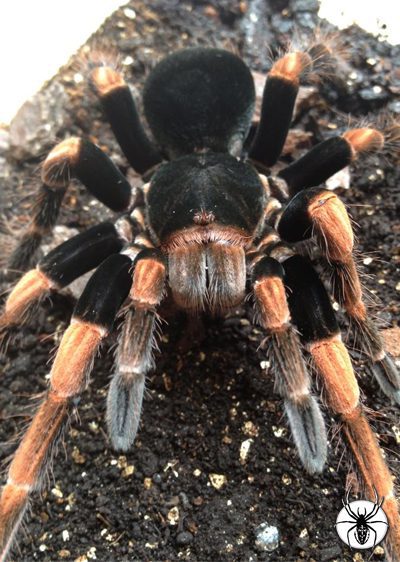
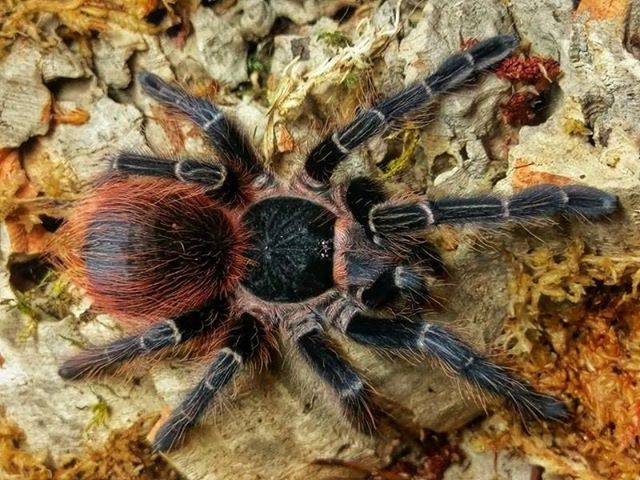
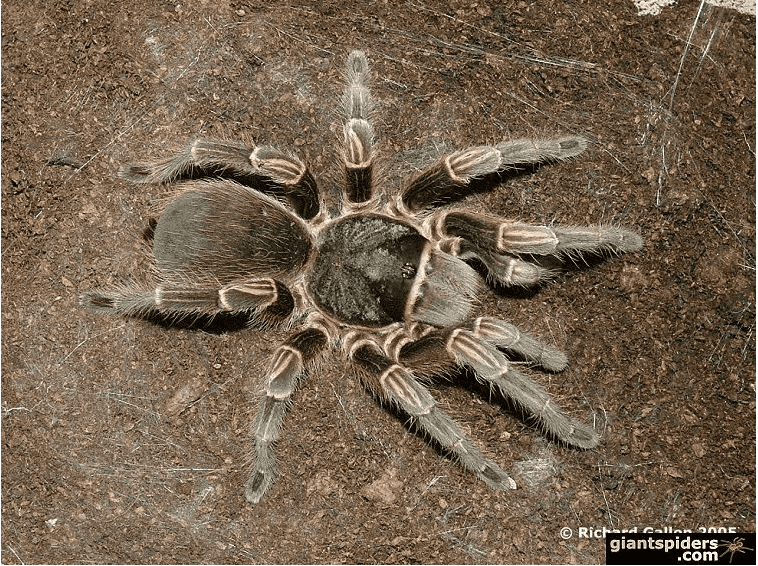
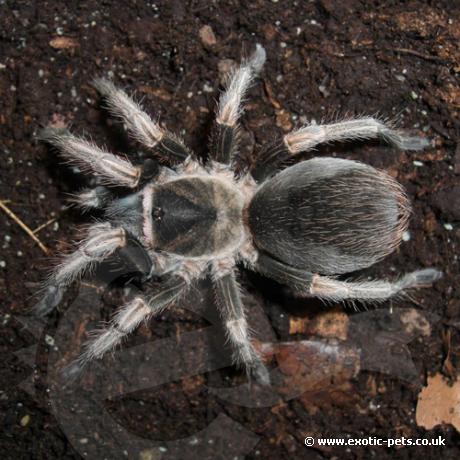
Cyrtopholis cursor is a medium-sized Caribbean terrestrial tarantula endemic to the Dominican Republic. It commonly uses a hide or shallow burrow and may excavate when given suitable substrate. Expect it to be most active after dark. Provide a secure, low enclosure with a retreat, diggable substrate, a water dish and good ventilation. Maintain some moisture in the lower substrate without keeping the enclosure wet or stuffy. A choice between slightly moist and drier areas allows the spider to regulate its position. This species is sometimes described as suitable for newer keepers, but individuals can be nervous and quick to defend their retreat. It is better suited to observation than handling.
PRACTICAL HUSBANDRY
Day-to-day care
Diet & prey
Appropriately sized crickets, roaches, locusts and mealworms.
Feeding
Offer spiderlings small prey once or twice weekly, juveniles about once weekly and adults every 7–14 days. Adjust the amount to the abdomen and appetite. Remove uneaten prey within 24 hours and do not feed during premoult or until the fangs have hardened after moulting.
Enclosure
A secure terrestrial enclosure with roughly 30 × 30 cm floor space is suitable for an adult. Keep the enclosure low enough to reduce fall risk. Include a water dish, a cork-bark hide and a starter burrow. Scale the enclosure to smaller specimens.
Substrate
Provide at least 10 cm of pesticide- and fertiliser-free soil or a soil/coir mix that holds a burrow. Pack it gently and keep the lower layers slightly moist while allowing the surface to dry somewhat.
Ventilation
Provide good cross ventilation and a ventilated lid. Moist substrate must not mean stagnant air; persistent condensation or mould indicates excessive moisture or inadequate airflow.
Hydration & misting
Keep a clean, shallow water dish available. Periodically overflow a small amount into one corner or lightly moisten part of the substrate, allowing other areas to remain drier. Avoid soaking the entire enclosure and never spray the spider directly.
Handling
Handling is not recommended. Use long tools for maintenance and a catch cup for rehousing. Work slowly because disturbed individuals may be nervous and can kick urticating hairs.
Sex differences
Mature males are usually slimmer and leggier than females and develop mature sexual structures. Juveniles cannot be sexed reliably from colour or size; examine a suitable moult where possible.
ENCLOSURE EXAMPLE · AD · AFFILIATE LINK
Recommended terrestrial enclosure
Such as The Spider Shop Invertarium Setup ↗
An example with size options. Check the selected footprint, fall height, ventilation and substrate depth for this animal.
IMPORTANT CONSIDERATIONS
Keeper notes
May be nervous when disturbed and can kick irritating urticating hairs. Avoid contact with the eyes, face and airways. Prevent falls by keeping the enclosure low, and never disturb a sealed burrow or leave live prey with a moulting spider.
BREEDING & LIFE CYCLE
Breeding notes
House singly. Introduce a mature pair only under close supervision and separate them immediately if either animal becomes defensive. Remove the male after mating because cannibalism is possible.
SOURCES & FURTHER READING
Check the references
Care can vary by species, life stage and local conditions. Review multiple reputable sources before making husbandry decisions.
KEEP EXPLORING
More tarantulas
Related completed care guides from the tarantulas library.