SPECIES CARE GUIDE
Himalayan Earth Tiger
Haplocosmia himalayana

ENVIRONMENT
Core care conditions
Use these ranges as a starting point and adjust for life stage, enclosure ventilation and observed behaviour.
HUSBANDRY OVERVIEW
At a glance
- Taxonomic group
- Arachnida
- Origin
- Himalayas: northern India and Nepal
- Lifestyle
- Fossorial
- Adult size (diagonal leg span)
- 13–15 cm
- Temperament
- Very defensive
- Experience level
- Advanced
- Visibility
- Rarely visible
- Burrowing
- Fossorial
- Growth rate
- Moderate
- Urticating hairs
- No
- Venom
- Potent
- Tarantula region
- Old World
CARE NOTES
Keeping considerations
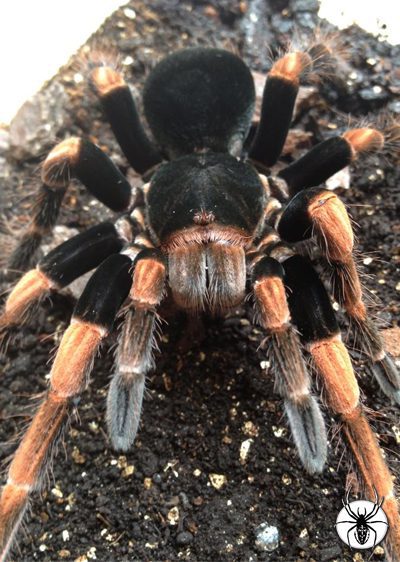
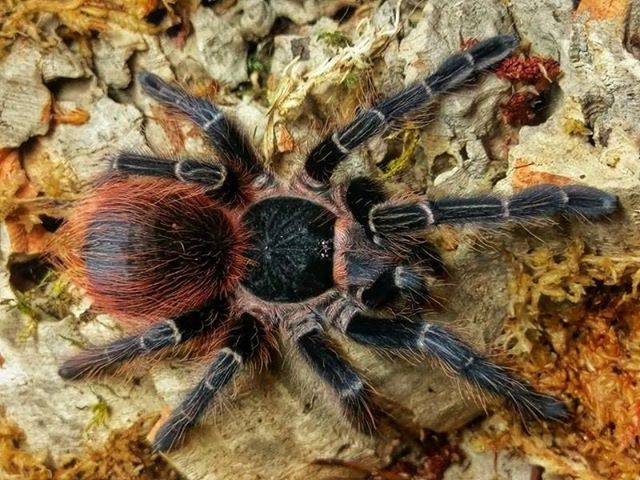
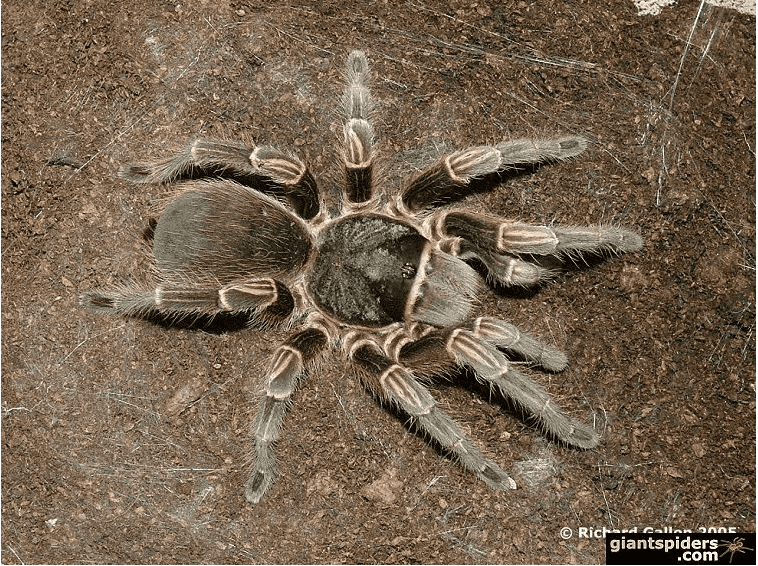
Haplocosmia himalayana is a fossorial Old World tarantula from the Himalayan region. It lives in deep retreats and is adapted to cooler conditions than many tropical Asian fossorial species. Expect it to spend long periods underground and appear mainly at the burrow entrance when feeding or after dark. Provide deep, stable substrate with moisture held in the lower layers, a full water dish and strong cross ventilation. The aim is damp earth with fresh airflow, not a wet or stuffy enclosure. Avoid prolonged temperatures above 25°C and never heat from beneath, because a burrowing spider moves downward to escape heat. This species can move very quickly and may defend itself when exposed. Respect a closed burrow, plan maintenance carefully and use a catch cup for rehousing.
PRACTICAL HUSBANDRY
Day-to-day care
Diet & prey
Appropriately sized crickets, roaches, locusts and mealworms; fruit flies, micro crickets or small pre-killed prey for spiderlings.
Feeding
Offer spiderlings small prey once or twice weekly, juveniles about weekly and adults every 10–14 days. Adjust to abdomen condition and appetite. Remove uneaten prey within 24 hours. Stop feeding during premoult and resume only after the fangs have hardened following a moult.
Enclosure
Use a secure, well-ventilated fossorial enclosure with adequate depth for 15–20 cm of substrate for an adult. Keep the remaining fall distance low. Provide a cork-bark starter burrow and a shallow water dish. Scale the enclosure and ventilation holes to smaller specimens.
Substrate
Provide 15–20 cm of firmly packed, moisture-retentive soil or a soil/coir blend that holds a stable tunnel. Maintain a moisture gradient with damp lower layers and a less-wet surface. Avoid waterlogged, muddy or completely dried-out substrate.
Ventilation
Provide strong cross ventilation above the substrate and a ventilated lid. The enclosure should retain lower-substrate moisture without becoming stagnant. Persistent condensation, mould or a stale smell indicates too much moisture or inadequate airflow.
Hydration & misting
Keep a clean, shallow water dish available. Slowly add water to one corner as needed to maintain moisture in the lower substrate while leaving some surface area drier. Lightly mist only if needed; never spray the spider or flood its burrow.
Handling
Observation only; do not handle. Use long tools for maintenance and keep hands away from the burrow entrance. Rehouse inside a larger escape-resistant container with a catch cup and a clear plan before opening the enclosure.
Sex differences
Mature males are generally smaller, slimmer and leggier than females, while females are more robust. Confirm sex from a suitable moult or mature sexual structures rather than colour or size alone.
IMPORTANT CONSIDERATIONS
Keeper notes
Fast and defensive when disturbed. It lacks urticating hairs and may bite instead; treat its Old World venom as potentially significant. Avoid handling, prevent escapes and keep live prey away during moulting. Never dig out a sealed burrow merely to check the spider.
BREEDING & LIFE CYCLE
Breeding notes
Keep individually. Pair only verified mature specimens under close supervision because cannibalism is possible. A well-established female burrow and a clear route for removing the male are essential. Species-specific breeding information remains limited.
SOURCES & FURTHER READING
Check the references
Care can vary by species, life stage and local conditions. Review multiple reputable sources before making husbandry decisions.
KEEP EXPLORING
More tarantulas
Related completed care guides from the tarantulas library.