SPECIES CARE GUIDE
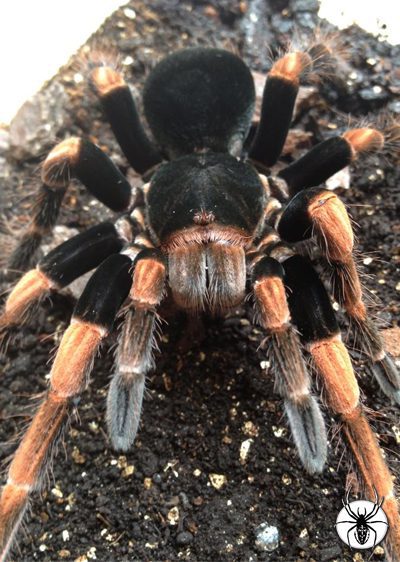
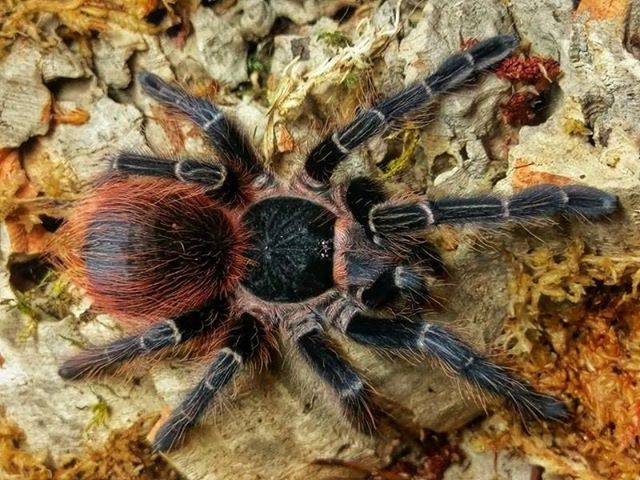
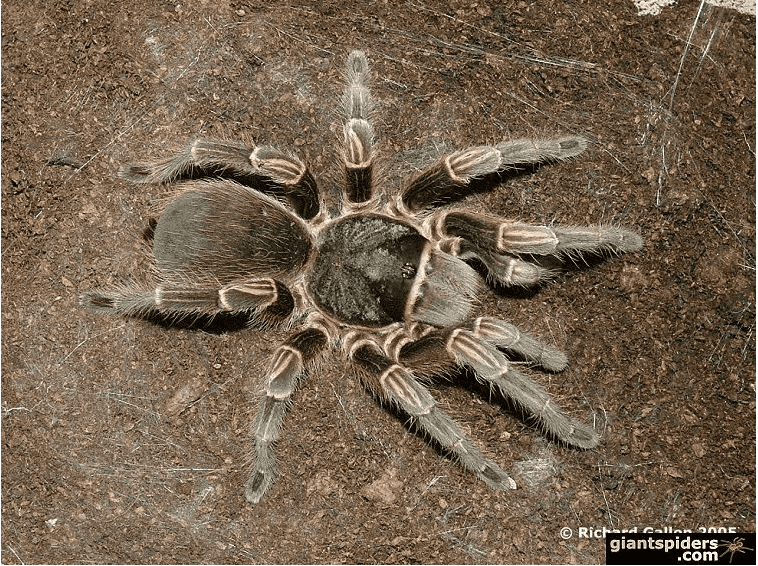
Kordillera Earth Tiger
Selenocosmia sp. “Kordillera”

ENVIRONMENT
Core care conditions
Use these ranges as a starting point and adjust for life stage, enclosure ventilation and observed behaviour.
HUSBANDRY OVERVIEW
At a glance
- Taxonomic group
- Arachnida
- Origin
- Cordillera region, Luzon, Philippines
- Lifestyle
- Fossorial
- Adult size (diagonal leg span)
- 15 cm
- Temperament
- Fast and defensive
- Experience level
- Advanced
- Visibility
- Mostly hidden
- Burrowing
- Heavy burrower
- Growth rate
- Medium
- Urticating hairs
- No
- Venom
- Medically significant
- Tarantula region
- Old World
CARE NOTES
Keeping considerations
Selenocosmia sp. “Kordillera” is an undescribed fossorial tarantula from the Cordillera region of Luzon. Provide deep compact substrate, a starter burrow, web anchor points, a water dish and strong cross-ventilation. Keep the lower substrate moist but never saturated, and avoid disturbing a sealed burrow.
PRACTICAL HUSBANDRY
Day-to-day care
Diet & prey
Crickets, roaches, locusts and other appropriately sized invertebrate prey
Feeding
Offer appropriately sized prey according to body condition. Remove uneaten prey, especially during premoult.
Enclosure
A highly secure fossorial enclosure with deep substrate, a starter burrow, sturdy web anchors and limited open height.
Substrate
At least 10 cm of firmly packed, moisture-retentive substrate that will hold a stable burrow; deeper substrate is preferable for larger specimens.
Ventilation
Strong cross-ventilation is essential. Retain moisture in the lower substrate without allowing stagnant or waterlogged conditions.
Hydration & misting
Keep a clean water dish available. Maintain moist lower substrate and a slightly drier surface; never flood the burrow.
Handling
A no-contact species. Use long tools, a catch cup and a secure working area during feeding, maintenance or rehousing.
Sex differences
Females are larger and more robust; mature males are slimmer and develop palpal bulbs and mating structures.
IMPORTANT CONSIDERATIONS
Keeper notes
Extremely fast and defensive Old World fossorial tarantula without urticating hairs. Treat bites as medically significant. Never handle and take strict precautions against escapes.
SOURCES & FURTHER READING
Check the references
Care can vary by species, life stage and local conditions. Review multiple reputable sources before making husbandry decisions.
KEEP EXPLORING
More tarantulas
Related completed care guides from the tarantulas library.