SPECIES CARE GUIDE
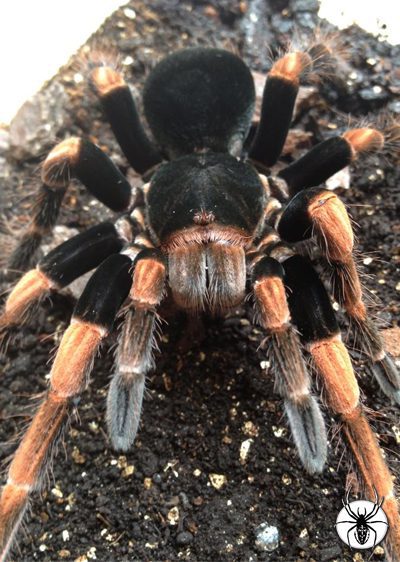
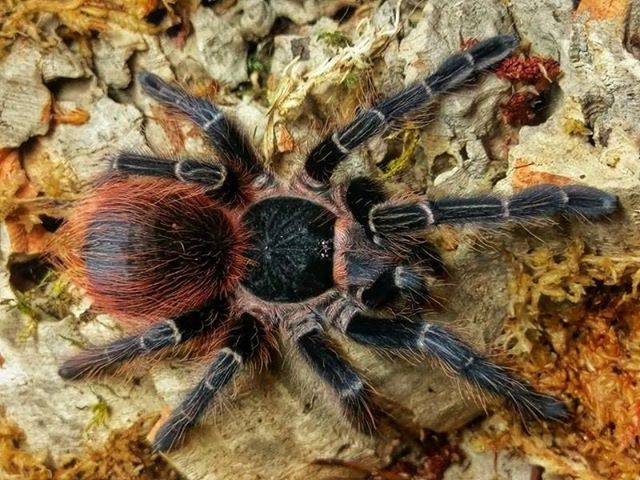
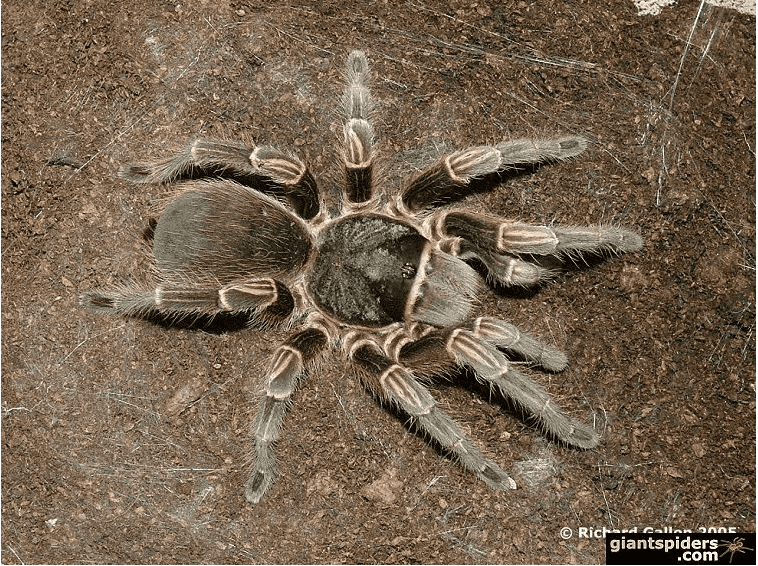
Peruvian Green Velvet
Ewok pruriens

ENVIRONMENT
Core care conditions
Use these ranges as a starting point and adjust for life stage, enclosure ventilation and observed behaviour.
HUSBANDRY OVERVIEW
At a glance
- Taxonomic group
- Arachnida
- Origin
- Peru
- Lifestyle
- Terrestrial
- Adult size (diagonal leg span)
- 11–13 cm
- Temperament
- Skittish
- Experience level
- Beginner
- Visibility
- Often visible
- Burrowing
- Occasional
- Growth rate
- Slow
- Urticating hairs
- Present
- Venom
- Mild
- Tarantula region
- New World
- Male lifespan
- 3–4 years
- Female lifespan
- 10+ years
CARE NOTES
Keeping considerations
Keep the enclosure mainly dry with a small moisture gradient and strong ventilation. This species may sit in the open but should always have a secure retreat.
PRACTICAL HUSBANDRY
Day-to-day care
Diet & prey
Appropriately sized crickets, roaches, locusts and mealworms
Feeding
Feed juveniles every 5–7 days and adults every 1–2 weeks, adjusting to body condition. Remove uneaten prey, especially before moulting.
Enclosure
Low terrestrial enclosure around 30 × 25 cm for an adult, with minimal fall height, a cork hide and a water dish
Substrate
6–10 cm of compactable soil-based substrate, kept mostly dry with one slightly moist corner
Ventilation
Good cross-ventilation is essential; avoid stagnant or persistently damp conditions
Hydration & misting
Provide a clean water dish at all times. Lightly moisten one corner as needed, especially for juveniles; do not routinely soak or mist the whole enclosure.
Handling
Avoid handling. It can move suddenly and readily kick irritating urticating hairs; use a catch cup and long tools.
Sex differences
Mature males are slimmer and longer-legged and develop tibial hooks; females are more robust and substantially longer-lived.
ENCLOSURE EXAMPLE · AD · AFFILIATE LINK
Recommended terrestrial enclosure
Such as The Spider Shop Invertarium Setup ↗
An example with size options. Check the selected footprint, fall height, ventilation and substrate depth for this animal.
IMPORTANT CONSIDERATIONS
Keeper notes
Urticating hairs can cause pronounced itching and may irritate eyes and airways. Avoid skin contact, do not touch your face during maintenance and wash hands afterwards.
SOURCES & FURTHER READING
Check the references
Care can vary by species, life stage and local conditions. Review multiple reputable sources before making husbandry decisions.
KEEP EXPLORING
More tarantulas
Related completed care guides from the tarantulas library.