SPECIES CARE GUIDE
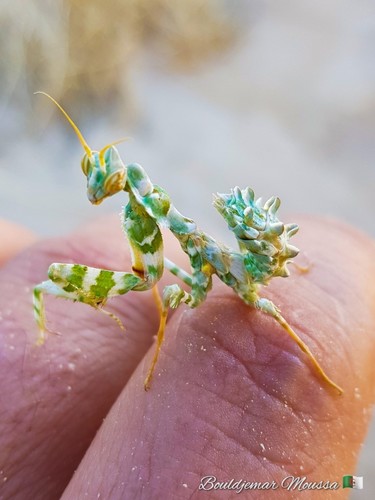
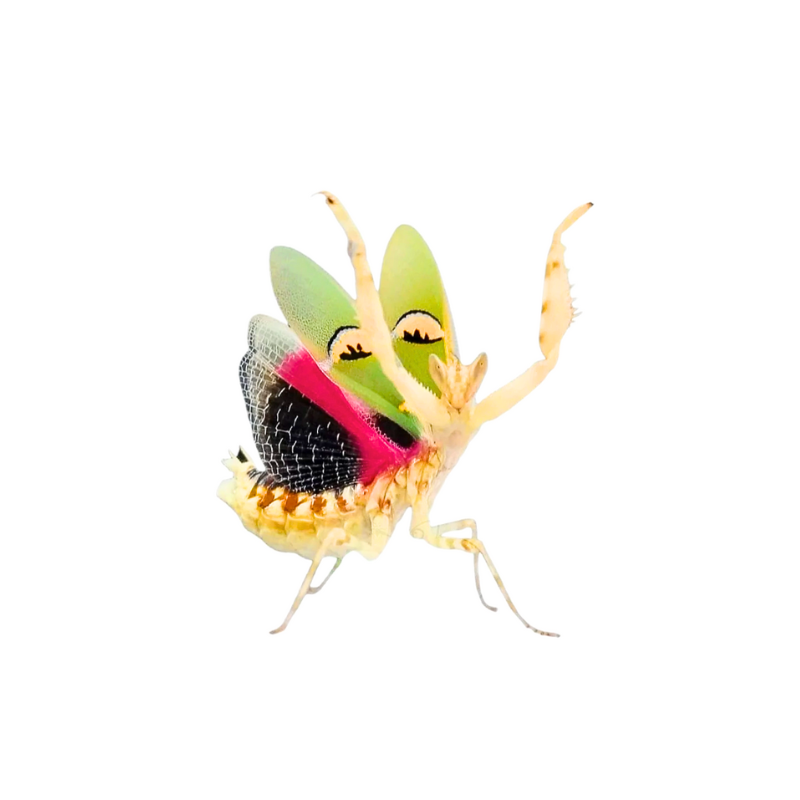
Polyspilota aeruginosa
polyspilota aeruginosa

ENVIRONMENT
Core care conditions
Use these ranges as a starting point and adjust for life stage, enclosure ventilation and observed behaviour.
HUSBANDRY OVERVIEW
At a glance
- Taxonomic group
- Insecta
- Origin
- East Africa (Kenya, Tanzania, Uganda) and Madagascar
- Lifestyle
- Arboreal (bushes, trees, and woody vegetation)
- Adult size (body / total length)
- 6 to 9 cm
- Temperament
- Fast, reactive, and highly aggressive hunters; not communal past early instars
- Experience level
- Confident keeper / Display species (due to fast, reactive nature)
- Visibility
- Occasionally visible
- Burrowing
- Does not burrow
- Growth rate
- Fast
CARE NOTES
Keeping considerations
Maintain a 26°C baseline with strong vertical climbing options, a gentle night drop to 20–22°C, and a transition from 60% humidity in early stages down to drier conditions for adults
PRACTICAL HUSBANDRY
Day-to-day care
Diet & prey
Green/blue bottles, locusts, roaches, curly-wing flies, and fruit flies for nymphs
Feeding
Adults benefit from larger prey items every 2 to 3 days; nymphs require small daily meals while keeping enclosures from getting waterlogged
Enclosure
Vertical arboreal setup with branches and bark for climbing and ambush hunting
Substrate
Standard clean substrate keeping appropriate moisture levels without stagnant air
Ventilation
High cross-ventilation or good airflow, especially as humidity is dropped for older instars
Hydration & misting
Daily fine misting for young nymphs; drier ambient air for older stages with external drinking sessions (fine-misted houseplant or droplets) every few days
Handling
Fast and high-strung; best treated as an active display mantis rather than a handled pet
Sex differences
Clear from i5 onward—males have thicker/longer antennae, longer wings, and a slender build (living ~8 months), while females are heavier, more compact, and larger (living ~13 months)
IMPORTANT CONSIDERATIONS
Keeper notes
Highly aggressive hunters; strictly solitary past early instars to prevent cannibalism
BREEDING & LIFE CYCLE
Breeding notes
High female aggression requires careful pairing supervision; oothecae are deposited on vertical surfaces and hatch after a warm, moderate-humidity incubation period
KEEP EXPLORING
More mantids
Related completed care guides from the mantids library.