SPECIES CARE GUIDE
Thai Golden Fringe
Ornithoctonus aureotibialis

ENVIRONMENT
Core care conditions
Use these ranges as a starting point and adjust for life stage, enclosure ventilation and observed behaviour.
HUSBANDRY OVERVIEW
At a glance
- Taxonomic group
- Arachnida
- Origin
- Thailand
- Lifestyle
- Fossorial
- Adult size (diagonal leg span)
- 14–17 cm
- Temperament
- Fast / defensive
- Experience level
- Advanced
- Visibility
- Rarely visible
- Burrowing
- Yes
- Growth rate
- Medium
- Urticating hairs
- Absent
- Venom
- Medically significant
- Tarantula region
- Old World
CARE NOTES
Keeping considerations
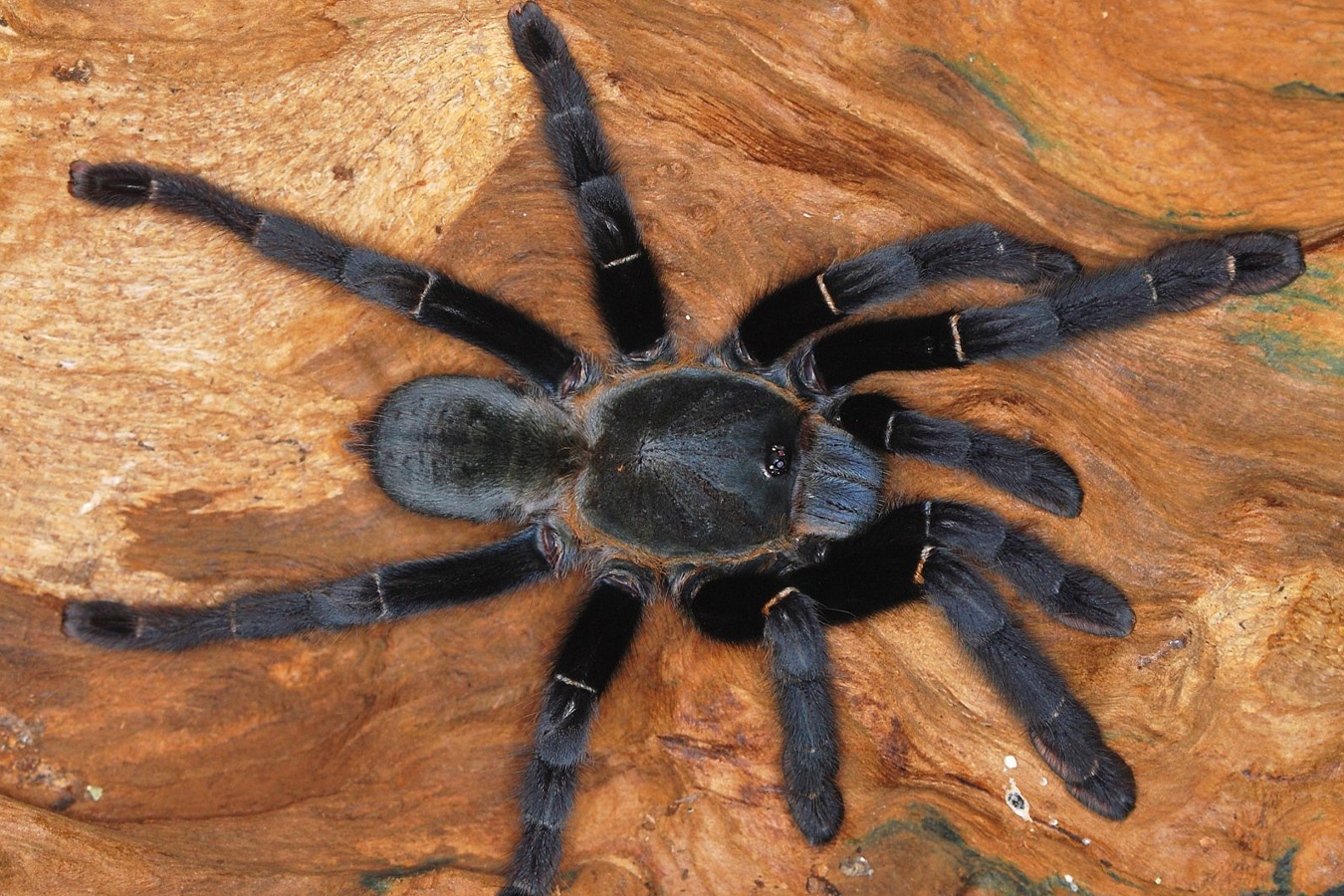
A Thai earth tiger distinguished by gold-orange hairs along the front-leg patellae and tibiae. It constructs a deep burrow and may remain sealed underground for extended periods, especially before a moult. Do not excavate a closed burrow; remove prey and wait. Firm substrate, stable moisture and patience are central to successful care.
PRACTICAL HUSBANDRY
Day-to-day care
Diet & prey
Roaches, crickets, locusts and other appropriately sized captive-bred insects
Feeding
Offer slings small prey every 4–7 days, juveniles about weekly and adults every 1–2 weeks, adjusting for body condition and appetite. Remove uneaten prey within 24 hours and never leave prey with a moulting spider.
Enclosure
A secure fossorial enclosure with a suitable floor area and at least 20–30 cm of firmly packed substrate for an adult. Add a starter burrow beneath cork bark and keep open height low.
Substrate
Use deep, compactable soil and coco-fibre mix that holds a tunnel without collapsing. Keep the lower layers slightly damp but never saturated.
Ventilation
Provide moderate cross-ventilation while retaining moisture within the lower substrate column. Avoid stagnant air, persistent condensation and top-only airflow that dries the burrow too quickly.
Hydration & misting
Keep a shallow water dish available. Add water to one corner or overflow the dish lightly as required, maintaining a damp lower layer and somewhat drier surface.
Handling
Observation only. This species is extremely fast and defensive. Use long tools, a catch cup and a controlled rehouse plan, and never place hands near the burrow.
IMPORTANT CONSIDERATIONS
Keeper notes
A fast, defensive Old World fossorial tarantula with medically significant venom and no urticating hairs. Bites may cause severe pain and systemic effects. Keep the enclosure escape-proof and avoid free-handling.
SOURCES & FURTHER READING
Check the references
Care can vary by species, life stage and local conditions. Review multiple reputable sources before making husbandry decisions.
KEEP EXPLORING
More Ornithoctonus
Other completed care guides from the same scientific genus.